
Category: Bookkeeping Business
-

How to Set Up Your Bookkeeping Business as a Self-Employed Professional: Step-by-Step Guide
Laying the Groundwork: Bookkeeping Skills and Essentials Self-employed bookkeepers need strong technical skills, a good understanding of financial reporting, and knowledge of how bookkeeping fits into business operations. Reliable recordkeeping and awareness of financial responsibilities help maintain accuracy, legal compliance, and client trust. Core Bookkeeping Principles Accurate, consistent, and organized work forms the base of…
-

Managing Cash Flow: Advice for Bookkeepers Serving Freelancers
Key Cash Flow Principles for Freelancers and Contractors Freelancers and contractors often deal with inconsistent income, irregular payments, and changing expenses. Learning what affects cash movement and planning ahead helps them maintain steady income and meet obligations. Common Cash Flow Challenges in Freelancing Self-employed professionals rarely get steady paychecks. Delayed invoices, unpredictable workloads, and seasonal…
-

Essential Tax Tips for Self-Employed Bookkeepers: Maximize Savings
Understanding Tax Obligations for Self-Employed Bookkeepers Self-employed bookkeepers handle their own income reporting and tax payments. No employer withholds taxes for them. They pay self-employment tax, income tax, and make quarterly estimated payments to avoid penalties. How Self-Employment Tax Works Self-employment tax combines Social Security and Medicare taxes. These taxes fund retirement and healthcare programs.…
-

Building a Client Base: Marketing Strategies for Freelance Bookkeepers
Defining Your Target Niche and Value Proposition Freelance bookkeepers who define their client types and communicate a clear value proposition earn more trust. They attract steady work by matching their services to business needs. By identifying the right audience, bookkeepers can stand out from general accounting firms. Identifying Ideal Bookkeeping Clients Bookkeepers start finding the…
-
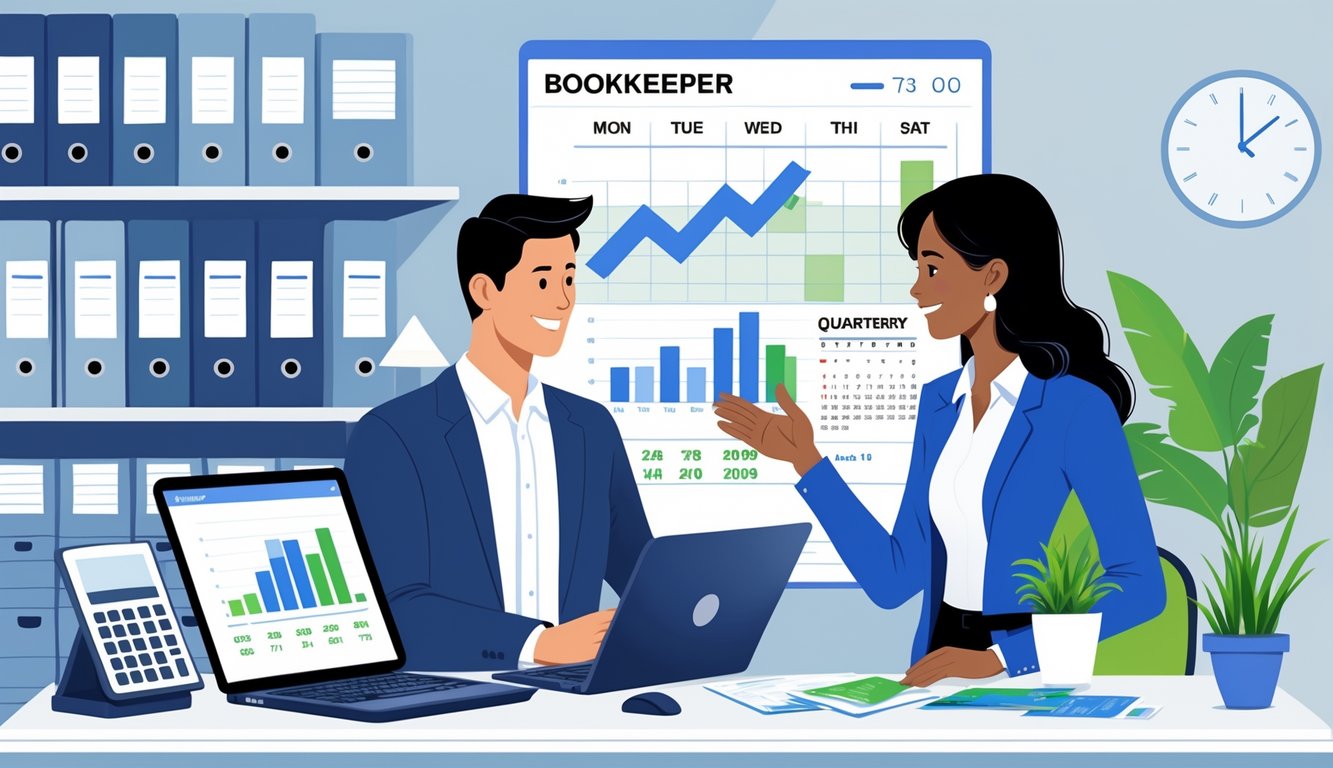
Navigating Quarterly Taxes for Self-Employed Clients: Bookkeeping Insights
Understanding Quarterly Tax Obligations Self-employed individuals and small business owners pay estimated tax payments four times a year to meet IRS requirements. These payments cover income and self-employment taxes that an employer would normally withhold. Consistent tax preparation and timely filing help prevent penalties. They also help maintain accurate financial records. Who Needs to File…
-

Tools and Software Every Self-Employed Bookkeeper Should Use: Essential Guide
Top Bookkeeping Software Solutions Accurate bookkeeping software helps self-employed professionals track income, organize expenses, and prepare for taxes with less effort. The right platform simplifies daily accounting tasks and keeps costs reasonable. QuickBooks Self-Employed Overview QuickBooks Self-Employed helps freelancers, sole proprietors, and independent contractors manage taxes and expenses efficiently. It links to bank accounts, automatically…
-

Common Financial Mistakes Self-Employed Clients Make and How Bookkeepers Can Help
Critical Bookkeeping Mistakes Self-Employed Individuals Make Many self-employed people lose control of their finances because they keep inaccurate records, mix accounts, and poorly track expenses. These mistakes affect pricing, cash flow, and taxes, so bookkeeping accuracy is essential for financial stability. Inaccurate Financial Record-Keeping Freelancers and independent contractors run into problems when they keep inconsistent…
-

The Rise of the Accountant-Entrepreneur: Mastering Your Financial Empire
The Rise of the Accountant-Entrepreneur Accountants now build their own businesses instead of just working for others. Technology makes starting a practice easier and more affordable. The profession has moved from traditional firm structures to flexible, independent models. Defining the Accountant-Entrepreneur An accountant-entrepreneur combines financial expertise with business ownership. They offer accounting services while running…
-

From Numbers to Networking: How Freelance Bookkeepers Can Build a Personal Brand That Attracts Clients
Defining Your Personal Brand as a Freelance Bookkeeper Personal branding for bookkeepers means creating a clear identity that highlights unique skills and connects with a target market. Bookkeepers need to understand what makes their services different and know the clients they want to serve. Understanding Personal Branding in Bookkeeping Personal branding in bookkeeping goes beyond…
-

5 Proven Ways to Turn Your Bookkeeping Expertise into a Steady Stream of Clients
Leverage Your Professional Network Your existing relationships can help you attract new bookkeeping clients. Building connections with accountants and business coaches creates valuable referral partnerships. Local business events give you direct access to business owners who need bookkeeping services. Tap Into Existing Relationships Many bookkeepers overlook their most valuable resource—people they already know. Former colleagues,…
-

The Content Strategy Every Freelance Bookkeeper Needs to Stand Out Online: Essential Steps for Success
Defining Your Unique Value Proposition A strong unique value proposition sets successful bookkeepers apart from those who struggle to find clients. Understanding who needs your services and choosing a specific area of expertise forms the foundation. Identifying Your Target Audience Many bookkeepers try to serve everyone, but this dilutes their message. It becomes harder to…
-

Stop Competing on Price: How to Market Your Bookkeeping Services as Premium
Define and Communicate Your Value Proposition Your value proposition sets your bookkeeping services apart from price-focused competitors. It shows clients why your expertise is worth their investment. A clear value proposition addresses specific client needs. It positions you as the strategic partner clients need. Identify Unique Strengths and Differentiators Bookkeeping professionals should highlight what makes…
-

How to Build a Profitable Online Bookkeeping Business from Scratch: Step-by-Step Guide
Define Your Online Bookkeeping Business Model A clear business model guides decisions about who to serve and what services to offer. It also helps set prices and keeps the business focused on profitable clients. Identify Target Market and Niche A bookkeeping business works best when it focuses on a specific group of clients. Choosing a…
-

How Can Small Bookkeeping Services Increase Revenue? Top Strategies Revealed
Maximizing Revenue Through Core Bookkeeping Services Small bookkeeping services directly support revenue growth by delivering accurate financial data, managing cash flow effectively, and ensuring precise account reconciliations. These functions help businesses make stronger financial decisions, avoid costly errors, and maintain steady liquidity. Enhancing Financial Statement Preparation Accurate financial statements are vital for understanding a company’s…
-

Guide to Offshoring Bookkeeping from the USA: Strategies & Compliance
Understanding Offshoring Bookkeeping from the USA Offshoring bookkeeping involves hiring accounting professionals in other countries to handle financial tasks remotely. This practice differs from traditional outsourcing and offers specific advantages for American businesses seeking cost-effective financial solutions. Definition of Offshoring Bookkeeping Offshoring bookkeeping means hiring financial professionals in foreign countries to manage a company’s accounting…
-

How to Attract Better Clients to Your Bookkeeping and Accountancy Service in the USA
Define Your Ideal Client Profile Creating a specific ideal client profile helps bookkeepers focus their marketing efforts and attract clients who value their services. This process involves examining client characteristics, industry alignment, and service scope to build a sustainable practice. Identify Key Client Attributes Bookkeepers must examine both business and personal characteristics when defining their…
-

The Top Ten Trickiest Transactions Bookkeepers Need To Master
Mastering Complex Business Expense Transactions Business expense transactions require careful handling to maintain accurate financial records and maximize tax benefits. The key challenges involve separating business costs from personal spending, identifying legitimate deductions, and properly recording reimbursements. Differentiating Between Business and Personal Expenses Separating business and personal expenses forms the foundation of proper bookkeeping. Many…
-

Top Bookkeeping and Accounting Mistakes Beginners Should Avoid
Failing to Separate Business and Personal Finances Business owners need to keep business and personal finances separate for clear records. Mixing these expenses causes confusion and errors in tracking business costs, income, and taxes. Proper separation prevents financial mistakes and legal trouble. Mixing Personal and Business Expenses Business owners who use the same funds for…
-

Steps to On-Board New Clients to a Bookkeeping or Accounting Service
Establishing the Client Onboarding Framework A strong client onboarding framework requires consistent processes, detailed checklists, and the right technology tools. These elements work together to create smooth transitions from new prospects to active clients while reducing errors and improving efficiency. Importance of a Consistent Onboarding Process Consistent client onboarding processes create predictable experiences for both…
-

Tracking Income and Expenses: Bookkeeping Tips for New Small Businesses
Key Principles of Bookkeeping for Small Businesses Bookkeeping means keeping detailed records of all income and expenses. This process helps you make financial decisions, stay tax compliant, and track business growth. New business owners should learn the basics of bookkeeping, understand how it differs from accounting, and choose the right accounting method. Difference Between Bookkeeping…