
Author: Dennis Smith
-

Beyond Referrals: How Data-Driven Client Research Transforms Firm Growth
The Shift From Referrals to Data-Driven Growth Accountancy firms now face limits with client referrals as their main growth source. Data-driven research, digital channels, and structured marketing systems now guide steady and measurable growth. Limitations of Referral-Only Strategies Client referrals often deliver high trust, but they limit scale. Firms depend on personal networks, partner time,…
-

From Niches to Numbers: Using Deep Market Analysis to Attract High-Value Accounting Clients
Defining High-Value Accounting Clients High-value accounting clients share clear financial traits, complex needs, and long-term potential. Accounting firms define these clients by profit contribution, service fit, and relationship strength, not by volume alone. Characteristics of High-Value Clients High-value clients generate strong, recurring revenue and need advanced services. They often own businesses, manage large incomes, or…
-

The Modern Accountant’s Playbook: Leveraging Behavioral Insights to Win Better Clients
Unlocking Behavioral Insights to Attract Better Clients Modern accountants win stronger clients when they understand how people think, decide, and act. Behavioral insights help shape outreach, improve fit, and reduce friction early in the relationship. Understanding Client Mindsets A modern accountant looks beyond age, income, and business size. These facts matter, but they do not…
-

Why Most Accounting Firms Target the Wrong Clients—And How Research Fixes It
The Cost of Targeting the Wrong Clients When a firm attracts clients that do not fit its services or pricing model, the damage shows up fast. Revenue stalls, margins shrink, and teams spend time on work that delivers little value. ### Signs Your Firm Is Attracting the Wrong Clients Some warning signs appear in daily…
-

Turning Insight Into Inquiries: Advanced Client Profiling Strategies for Accountants
Understanding Advanced Client Profiling in Modern Accounting Advanced client profiling helps accountants move from broad assumptions to clear, testable insights. It links client data, behavior, and needs to real questions that guide outreach, pricing, and service design. Defining Client Profiling Strategies Client profiling strategies describe how accounting firms identify, group, and understand clients they want…
-

Competitive Intelligence for Accountants: How Deep Research Reveals Untapped Client Demand
Understanding Competitive Intelligence in Accounting Competitive intelligence helps accountants study markets, rivals, and client needs using legal and ethical research. It goes beyond surface-level reviews and focuses on how real data shapes strategy, pricing, and services. What Is Competitive Intelligence? Competitive intelligence, often called CI, is the practice of collecting and analyzing public information to…
-

Climbing the Ladder: Mid-Level Accountancy Training for Leadership
Developing Mid-Level Accountancy Skills Accountants refine analytical accuracy, regulatory understanding, and data interpretation to strengthen performance. These skills help them prepare for higher responsibilities. They master complex reporting, fiscal planning, and compliance. This ensures their work supports informed decisions and meets professional standards. Advanced Financial Reporting Mid-level accountants produce clear and accurate financial statements that…
-

How to Set Up Your Bookkeeping Business as a Self-Employed Professional: Step-by-Step Guide
Laying the Groundwork: Bookkeeping Skills and Essentials Self-employed bookkeepers need strong technical skills, a good understanding of financial reporting, and knowledge of how bookkeeping fits into business operations. Reliable recordkeeping and awareness of financial responsibilities help maintain accuracy, legal compliance, and client trust. Core Bookkeeping Principles Accurate, consistent, and organized work forms the base of…
-

Managing Cash Flow: Advice for Bookkeepers Serving Freelancers
Key Cash Flow Principles for Freelancers and Contractors Freelancers and contractors often deal with inconsistent income, irregular payments, and changing expenses. Learning what affects cash movement and planning ahead helps them maintain steady income and meet obligations. Common Cash Flow Challenges in Freelancing Self-employed professionals rarely get steady paychecks. Delayed invoices, unpredictable workloads, and seasonal…
-
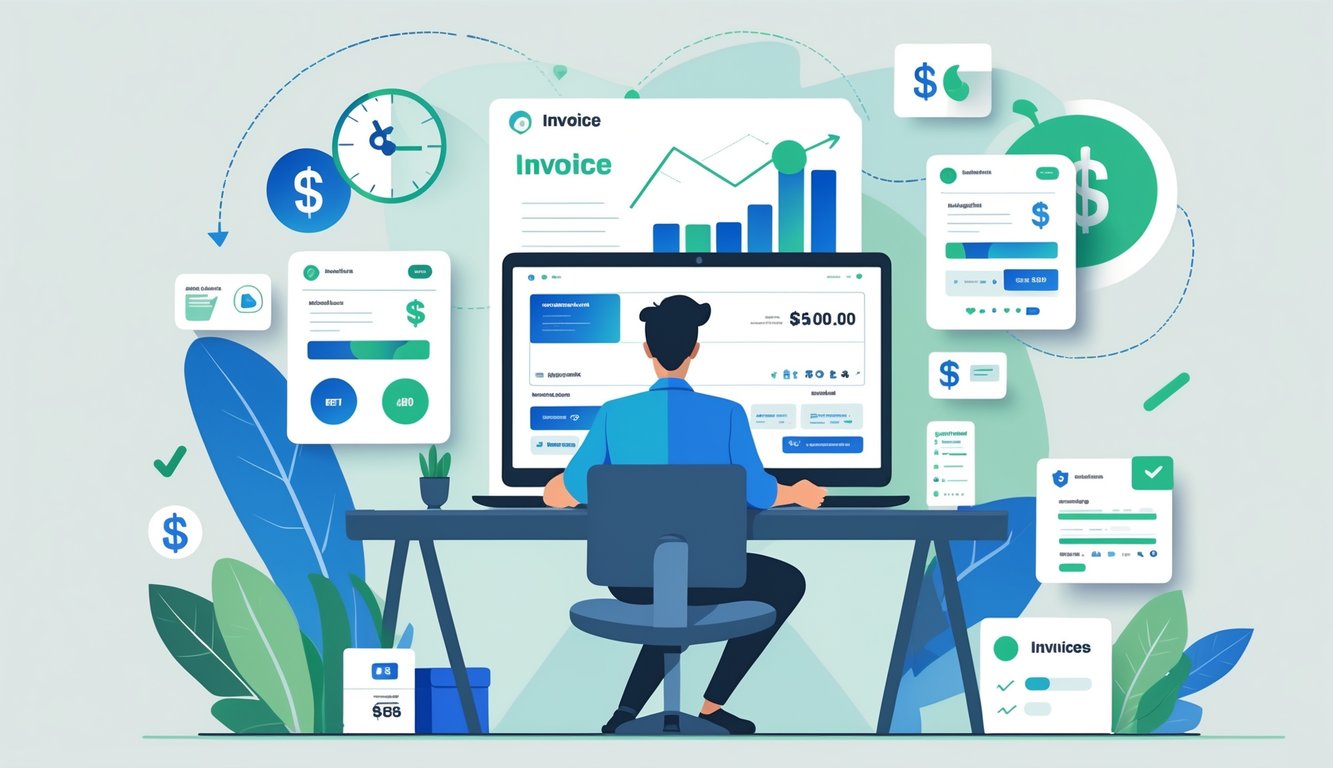
Streamlining Invoicing and Payments for Self-Employed Clients: Proven Strategies
Optimizing Cash Flow Through Efficient Invoicing Efficient invoicing helps self-employed clients maintain stable cash flow and reduces time spent on manual follow-ups. Clear, accurate, and prompt invoices help payments arrive faster and make financial management easier. Importance of Timely Invoicing Timely invoicing keeps revenue predictable and supports better cash flow management. Freelancers or contractors who…
-

Essential Tax Tips for Self-Employed Bookkeepers: Maximize Savings
Understanding Tax Obligations for Self-Employed Bookkeepers Self-employed bookkeepers handle their own income reporting and tax payments. No employer withholds taxes for them. They pay self-employment tax, income tax, and make quarterly estimated payments to avoid penalties. How Self-Employment Tax Works Self-employment tax combines Social Security and Medicare taxes. These taxes fund retirement and healthcare programs.…
-

Building a Client Base: Marketing Strategies for Freelance Bookkeepers
Defining Your Target Niche and Value Proposition Freelance bookkeepers who define their client types and communicate a clear value proposition earn more trust. They attract steady work by matching their services to business needs. By identifying the right audience, bookkeepers can stand out from general accounting firms. Identifying Ideal Bookkeeping Clients Bookkeepers start finding the…
-
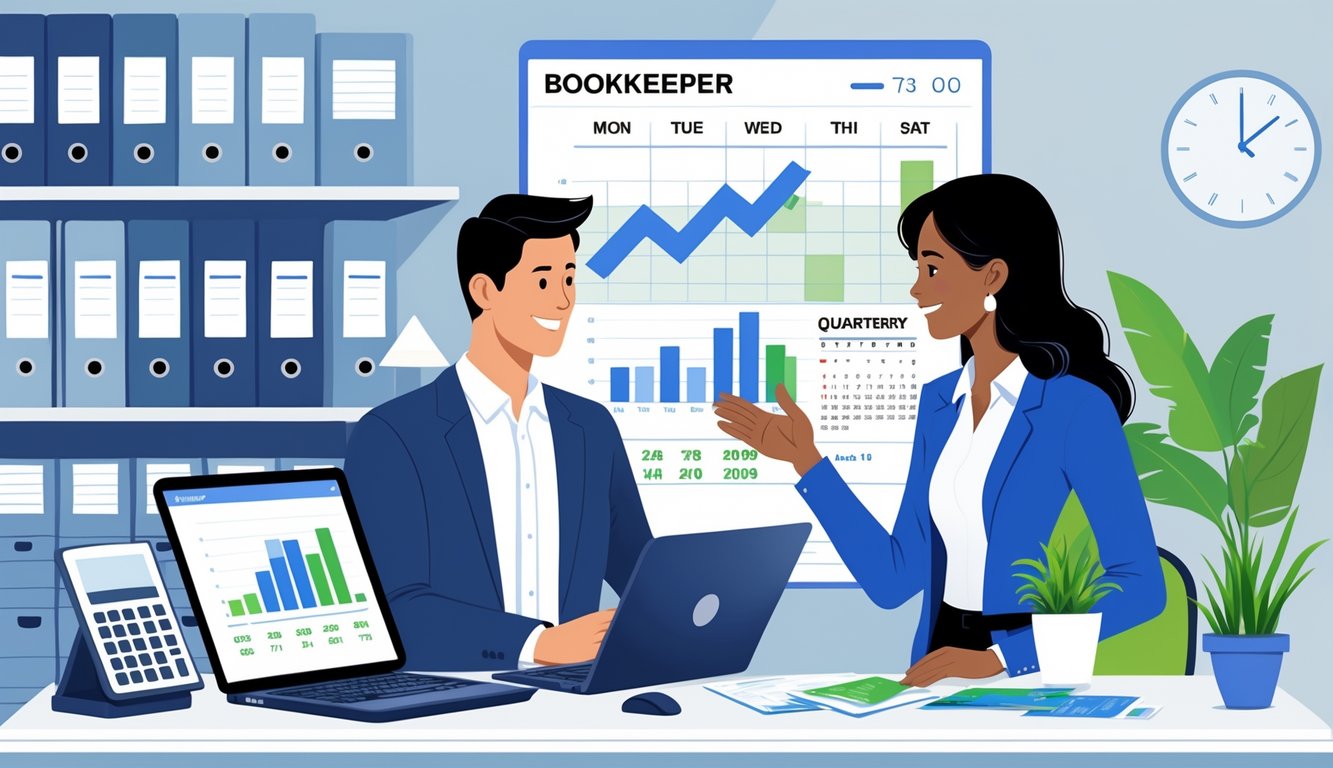
Navigating Quarterly Taxes for Self-Employed Clients: Bookkeeping Insights
Understanding Quarterly Tax Obligations Self-employed individuals and small business owners pay estimated tax payments four times a year to meet IRS requirements. These payments cover income and self-employment taxes that an employer would normally withhold. Consistent tax preparation and timely filing help prevent penalties. They also help maintain accurate financial records. Who Needs to File…
-

Tools and Software Every Self-Employed Bookkeeper Should Use: Essential Guide
Top Bookkeeping Software Solutions Accurate bookkeeping software helps self-employed professionals track income, organize expenses, and prepare for taxes with less effort. The right platform simplifies daily accounting tasks and keeps costs reasonable. QuickBooks Self-Employed Overview QuickBooks Self-Employed helps freelancers, sole proprietors, and independent contractors manage taxes and expenses efficiently. It links to bank accounts, automatically…
-

Common Financial Mistakes Self-Employed Clients Make and How Bookkeepers Can Help
Critical Bookkeeping Mistakes Self-Employed Individuals Make Many self-employed people lose control of their finances because they keep inaccurate records, mix accounts, and poorly track expenses. These mistakes affect pricing, cash flow, and taxes, so bookkeeping accuracy is essential for financial stability. Inaccurate Financial Record-Keeping Freelancers and independent contractors run into problems when they keep inconsistent…
-

Starting Strong: Essential Training for Junior Accountants
Core Technical Skills for Junior Accountants Accurate financial records, organized systems, and reliable tools form the backbone of strong accounting work. Junior accountants develop technical skills to track transactions, prepare reports, and analyze financial data for daily business decisions. Mastering Double-Entry Bookkeeping Double-entry bookkeeping is the basis of modern accounting. Every transaction involves at least…
-

The Quantum Leap: How AI Is Revolutionizing Forensic Accounting in 2025
AI-Driven Transformations in Forensic Accounting AI tools process financial records at speeds human accountants cannot match. They identify suspicious patterns across millions of transactions in minutes. These systems learn from past fraud cases to predict emerging schemes. They reduce false positives by 40% compared to traditional methods. AI-Powered Automation of Forensic Investigations Forensic accountants now…
-

From Manager to Partner: Advanced Training & Leadership in Accounting
From Manager to Partner: Key Leadership Transitions Moving from manager to partner takes more than accounting skills. It also requires leadership, business growth awareness, and the confidence to guide clients and teams. These transitions change how a professional shapes firm strategy and culture. Essential Skills for Future Partners Managers aiming for partnership must build both…
-

Beyond Partnership: Strategic Specializations for Senior Accountants
Defining Strategic Specializations for Senior Accountants Strategic specializations help senior accountants expand their roles beyond standard financial reporting. Accountants build expertise in areas that connect accounting to business strategy, data, and leadership, increasing their value within organizations. Overview of Strategic Specializations Strategic specializations apply accounting knowledge to areas that influence decision-making and long-term planning. Examples…
-

Diversifying Expertise: How Top-Level Accountants Can Transition to Advisory
Understanding the Shift from Accounting to Advisory Automation, data analytics, and client demand for deeper insights have reshaped the accounting profession. Many leaders now use their financial expertise to guide strategic decisions, manage risk, and support business growth in various industries. Key Differences Between Accounting and Advisory Roles Traditional accountants work with historical data—they record…