-

The Modern Accountant’s Playbook: Leveraging Behavioral Insights to Win Better Clients
Unlocking Behavioral Insights to Attract Better Clients Modern accountants win stronger clients when they understand how people think, decide, and act. Behavioral insights help shape outreach, improve fit, and reduce friction early in the relationship. Understanding Client Mindsets A modern accountant looks beyond age, income, and business size. These facts matter, but they do not…
-

Why Most Accounting Firms Target the Wrong Clients—And How Research Fixes It
The Cost of Targeting the Wrong Clients When a firm attracts clients that do not fit its services or pricing model, the damage shows up fast. Revenue stalls, margins shrink, and teams spend time on work that delivers little value. ### Signs Your Firm Is Attracting the Wrong Clients Some warning signs appear in daily…
-

Turning Insight Into Inquiries: Advanced Client Profiling Strategies for Accountants
Understanding Advanced Client Profiling in Modern Accounting Advanced client profiling helps accountants move from broad assumptions to clear, testable insights. It links client data, behavior, and needs to real questions that guide outreach, pricing, and service design. Defining Client Profiling Strategies Client profiling strategies describe how accounting firms identify, group, and understand clients they want…
-

Competitive Intelligence for Accountants: How Deep Research Reveals Untapped Client Demand
Understanding Competitive Intelligence in Accounting Competitive intelligence helps accountants study markets, rivals, and client needs using legal and ethical research. It goes beyond surface-level reviews and focuses on how real data shapes strategy, pricing, and services. What Is Competitive Intelligence? Competitive intelligence, often called CI, is the practice of collecting and analyzing public information to…
-

Climbing the Ladder: Mid-Level Accountancy Training for Leadership
Developing Mid-Level Accountancy Skills Accountants refine analytical accuracy, regulatory understanding, and data interpretation to strengthen performance. These skills help them prepare for higher responsibilities. They master complex reporting, fiscal planning, and compliance. This ensures their work supports informed decisions and meets professional standards. Advanced Financial Reporting Mid-level accountants produce clear and accurate financial statements that…
-

How to Set Up Your Bookkeeping Business as a Self-Employed Professional: Step-by-Step Guide
Laying the Groundwork: Bookkeeping Skills and Essentials Self-employed bookkeepers need strong technical skills, a good understanding of financial reporting, and knowledge of how bookkeeping fits into business operations. Reliable recordkeeping and awareness of financial responsibilities help maintain accuracy, legal compliance, and client trust. Core Bookkeeping Principles Accurate, consistent, and organized work forms the base of…
-

Managing Cash Flow: Advice for Bookkeepers Serving Freelancers
Key Cash Flow Principles for Freelancers and Contractors Freelancers and contractors often deal with inconsistent income, irregular payments, and changing expenses. Learning what affects cash movement and planning ahead helps them maintain steady income and meet obligations. Common Cash Flow Challenges in Freelancing Self-employed professionals rarely get steady paychecks. Delayed invoices, unpredictable workloads, and seasonal…
-
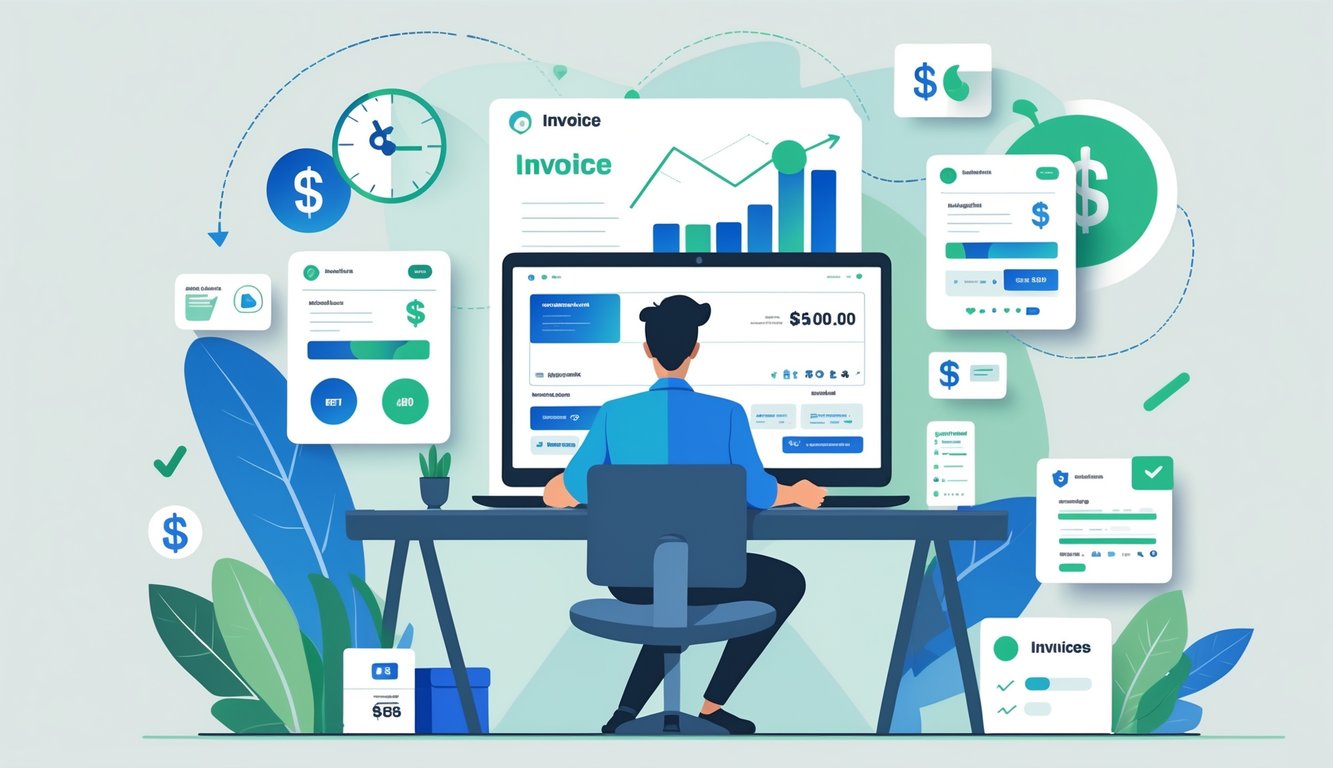
Streamlining Invoicing and Payments for Self-Employed Clients: Proven Strategies
Optimizing Cash Flow Through Efficient Invoicing Efficient invoicing helps self-employed clients maintain stable cash flow and reduces time spent on manual follow-ups. Clear, accurate, and prompt invoices help payments arrive faster and make financial management easier. Importance of Timely Invoicing Timely invoicing keeps revenue predictable and supports better cash flow management. Freelancers or contractors who…
-

Essential Tax Tips for Self-Employed Bookkeepers: Maximize Savings
Understanding Tax Obligations for Self-Employed Bookkeepers Self-employed bookkeepers handle their own income reporting and tax payments. No employer withholds taxes for them. They pay self-employment tax, income tax, and make quarterly estimated payments to avoid penalties. How Self-Employment Tax Works Self-employment tax combines Social Security and Medicare taxes. These taxes fund retirement and healthcare programs.…
-

Building a Client Base: Marketing Strategies for Freelance Bookkeepers
Defining Your Target Niche and Value Proposition Freelance bookkeepers who define their client types and communicate a clear value proposition earn more trust. They attract steady work by matching their services to business needs. By identifying the right audience, bookkeepers can stand out from general accounting firms. Identifying Ideal Bookkeeping Clients Bookkeepers start finding the…

ACCOUNTING for Everyone
The Longest Running Online Certified Bookkeeping Course