
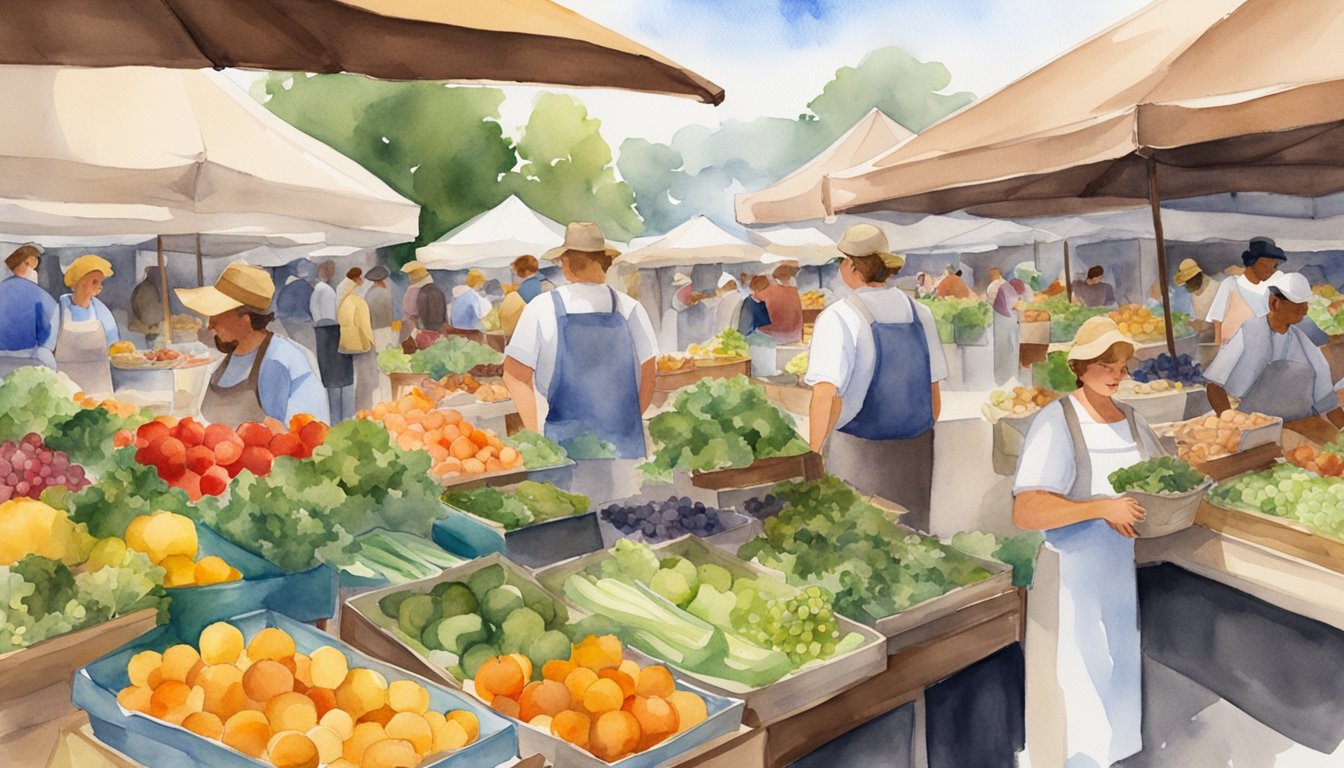
Understanding Seasonality in Food Businesses
Seasonality refers to the predictable fluctuations in business activity throughout the year, often driven by various factors such as holidays, weather, and local events. For food businesses, understanding and preparing for these seasonal fluctuations is crucial as they can significantly affect customer demand and inventory requirements.
During peak seasons, customer demand typically escalates, necessitating careful management of inventory to meet the rise without incurring wastage. Conversely, in off-peak periods, demand wanes, and the business must adapt to avoid overstock and maintain cash flow.
Strategic planning is essential for food businesses facing seasonal changes. They must analyze historical sales data to identify trends and prepare for future demand. Awareness of peak seasons enables businesses to maximize revenue potential during high-demand periods by ensuring adequate stock and staffing levels.
Food businesses also benefit from designing seasonal menus that feature in-season ingredients. Not only does this practice potentially reduce costs, but it can also attract customers seeking fresh, flavorful dishes.
The critical aspect is to maintain a balance, ensuring that food businesses capitalize on periods of high demand without compromising their ability to sustain operations during slower months. Successful navigation of seasonal fluctuations involves a combination of tactical planning, inventory control, and customer engagement efforts.
Essential Bookkeeping Practices
For food businesses experiencing seasonal fluctuations, bookkeeping is vital for navigating the uneven terrain of varying revenues and expenses. Effective cash flow management is achieved by meticulously tracking income and outgoings. They should ensure precise records of revenue trends to forecast future seasons.
Financial stability calls for a budget adaptable to the highs and lows of the season. Food businesses must:
- Monitor regularly: Periodic financial reports offer insights into performance and inform timely decision-making.
- Keep organized records: Segregate personal and business finances with separate banking accounts for clear financial tracking.
- Manage inventory: Closely track inventory levels to align with the anticipated demand, avoiding overstocking and waste.
A breakdown of expenses is essential, focusing on:
- Variable expenses: These change with sales volume, like cost of goods sold.
- Fixed costs: Rent or salaries that don’t fluctuate with sales.
Cash reserves can be a safety net for lower revenue periods. It is imperative that a part of the budget is set aside during peak seasons to cover future deficits.
Here is a simplified view:
| Revenue Management | Expense Tracking |
|---|---|
| Predict future trends with past data | Separate personal and business finances |
| Create cash reserves for leaner periods | Monitor variable and fixed expenses |
By adhering to these bookkeeping practices, food businesses can smoothly navigate seasonal changes and maintain financial health throughout the year.
Cash Flow Forecasting and Budget Development
To thrive amidst seasonal ebb and flow, food businesses must craft detailed cash flow forecasts and budgets. These tools allow for vigilant financial planning, ensuring sufficient capital during peak and trough periods.
Creating a Cash Flow Forecast
Developing an accurate cash flow forecast involves scrutinizing past financial data to project future revenues and expenses. For a food business grappling with seasonal variations, this means analyzing historical sales data in relation to the seasonal calendar. A cash flow forecast should include:
- Monthly inflows: Projection of cash sales, credit card settlements, and accounts receivable collections.
- Outflows: A listing of all expected monthly expenses, from inventory purchases to overhead costs.
The forecast would ideally break down into a table format:
| Month | Expected Inflows | Expected Outflows | Net Cash Flow |
|---|---|---|---|
| January | $XX,XXX | $XX,XXX | $XX,XXX |
| February | $XX,XXX | $XX,XXX | $XX,XXX |
| … | … | … | … |
This allows businesses to visualize which months will potentially have tighter financial conditions and which ones will have surplus cash.
Developing a Robust Budget
Once the forecast is in place, a business can focus on developing a budget that aligns with forecasted cash flows. A budget serves as a guide to managing spending and prioritizing investments. Steps include:
- Establishing clear financial targets based on the cash flow forecast.
- Allocating resources to different categories like procurement, labor, marketing, and capital expenses.
- Implementing a cushion to the budget for unexpected costs, ensuring the business remains solvent during lean months.
Regular review and adjustment are critical, adapting the budget to actual performance and maintaining financial health throughout the business’s seasonal cycle.
Strategies for Managing Revenue and Expenses
To navigate through seasonal peaks and troughs, a food business should implement robust strategies that focus on diversifying revenue streams, optimizing inventory management, and employing smart staffing solutions. These approaches are designed to stabilize cash inflows and align expenses with the fluctuating nature of the business.
Diversifying Revenue Streams
Food businesses can mitigate the impact of seasonal changes by diversifying their revenue streams. They can introduce complementary products or services that appeal to customers year-round. For example, a business specializing in summer treats could offer catering services or packaged goods during off-peak months to maintain consistent revenue. Monitoring sales data can provide insights into which new offerings might be successful.
Controlling Inventory
Effective inventory management is critical for aligning a business’s stock with consumer demand and avoiding the pitfalls of excess inventory. A lean inventory strategy, based on accurate sales forecasting, helps reduce waste and free up capital. Food businesses should use historical sales data to anticipate customer demand and adjust their inventory purchasing accordingly, ensuring that they have the right amount of stock when needed.
Smart Staffing Solutions
Staffing levels directly influence operational costs. To manage this, food businesses can adopt flexible staffing solutions, adjusting the workforce in accordance with the seasonal demand. During peak seasons, they might employ temporary or part-time staff to cover the increased workload. Conversely, they can cross-train employees to handle multiple roles during slower periods, ensuring that payroll expenses remain proportional to the current revenue.
Maximizing Peak Seasons and Mitigating Slow Periods
In the food industry, the effective management of peak seasons and slow periods is vital to maintain steady cash flow and profitability.
Marketing and Promotion Planning
Thorough preparation for peak seasons involves creating a robust marketing plan that aligns with consumer demand. Advertising campaigns should be timed to increase visibility prior to high-demand periods. Engaging in social media advertising and email marketing can help maximize exposure. Businesses ought to track which promotions resonate best with customers to refine future marketing efforts.
Capitalizing on Events and Holidays
Peak seasons often align with major events and holidays, where food businesses can thrive by customizing their offerings. It’s essential to prepare menus and stock accordingly. For instance, a special Valentine’s Day dinner menu can attract couples, while exclusive Thanksgiving food offerings can cater to those preferring to dine out or order in.
Loyalty Programs and Special Promotions
Implementing loyalty programs incentivizes customers to return during slower seasons. Exclusive discounts for members or point systems that lead to rewards can sustain a business’s revenue flow. Furthermore, special promotions during off-peak times, such as “Buy One, Get One Free” offers, can attract price-sensitive customers.
Financial Tools and Software Utilization
Selecting suitable financial tools and software significantly eases the management of seasonal fluctuations in the food business industry. They ensure efficient handling of financial data and automate numerous tasks, reducing the margin for human error.
Implementing Accounting Software
Accounting software plays a crucial role in managing finances for a food business experiencing seasonal trends. Popular options like QuickBooks, Xero, and FreshBooks offer tailored features to manage such fluctuations. They provide comprehensive reporting options that allow businesses to track income and expenses meticulously, and prepare for the varying demand across different seasons.
Automating Payments and Deposits
By automating payments, food businesses can ensure timely settlements with suppliers and service providers. Tools like online bill payment services help schedule recurring payments, avoiding late fees and maintaining good supplier relationships. Additionally, features like mobile deposit and remote deposit capture facilitate quicker processing of customer payments, improving cash flow and simplifying the process of handling large volumes of transactions during peak seasons.
Online Financial Management
Online account access is pivotal for real-time financial monitoring, particularly important for food businesses with seasonal operations. Managers can oversee accounts from anywhere, enabling them to make timely, informed decisions. Online management platforms integrate various accounting functions, allowing a comprehensive view of the business’s financial health that helps navigate the seasonality of the industry.
Working Capital and Cash Management
In managing a food business with seasonal fluctuations, working capital is crucial for maintaining smooth operations during off-peak and peak seasons. Working capital, the difference between current assets and current liabilities, supports daily expenditures and immediate financial obligations. Cash management strategies are instrumental in ensuring a business can sustain itself when income varies.
To handle the ebbs and flows effectively:
-
Monitor Cash Flow: Regular analysis of cash inflows and outflows enables a food business to anticipate shortfalls and take corrective action. Weekly monitoring and reporting can maintain a clear picture of financial health.
Period Cash Inflow Cash Outflow Net Flow Week 1 $X,XXX $(Y,YYY) $Z,ZZZ Week 2 $A,AAA $(B,BBB) $C,CCC -
Adjust Inventory Levels: Proactively managing inventory levels to match demand can free up cash during slower periods.
-
Negotiate Payment Terms: Lengthening payment terms with suppliers or shortening payment terms with customers can improve cash positions.
A cash flow strategy should encompass:
- Estimation of peak season earnings and their allocation to cover troughs in revenue during off-peak times.
- An emergency cash reserve to cater to unexpected costs and opportunities.
Through meticulous planning and implementation of these strategies, food businesses can boost their resilience against seasonal demand changes, ultimately stabilizing their operations throughout the year.
Leveraging Financial Services and Support
To manage the ebb and flow of seasonal business, food enterprises can greatly benefit from the strategic use of financial services and support.
Outsourcing to Bookkeeping Services
Outsourcing bookkeeping can be an optimal choice for food businesses facing seasonal fluctuations. Specialized bookkeeping services can provide tailored support during peak seasons, ensuring taxes and payroll are meticulously handled. They maintain accurate financial records that aid in decision-making during slower periods. By hiring external bookkeepers:
- Expertise: They offer specialized knowledge in handling complex tax regulations.
- Cost-Effectiveness: Businesses can avoid full-time staff expenses during off-peak seasons.
- Focus on Core Activities: Management can concentrate on operational efficiency and customer service.
Building Relationships with Financial Institutions
Food businesses should strive to build strong relationships with financial institutions. This rapport can lead to better support options when dealing with seasonal swings in cash flow. Ways to engage with financial institutions include:
- Lines of Credit: Establishing a line of credit offers access to funds that can be drawn upon as needed, helping to smooth out cash flow during low-revenue periods.
- Business Loans: A business loan can provide the necessary capital to invest in growth or cover costs during downturns.
By leveraging these financial tools, businesses can ensure they have the resources to operate effectively throughout the year.
Adapting to Market Changes and Customer Behavior
Food businesses often face seasonal fluctuations which demand a keen sense of adaptability and innovation. Strategies to manage these variations hinge on understanding and responding to market changes and customer behavior proactively.
Adaptability is a crucial trait for food businesses navigating seasonal shifts. It involves revising menus to reflect in-season produce, offering specials to entice customers, and perhaps altering service hours to match seasonal demand. By maintaining a flexible business model, these businesses can adjust operations swiftly, ensuring resilience against unpredictable market trends.
To foster customer loyalty, businesses should focus on creating a memorable customer experience. This can include personalized service or loyalty programs that reward repeat business. Importantly, customers’ needs and preferences shift, so staying informed through surveys or feedback channels can enable timely adaptations to these needs.
Innovation comes into play with the introduction of new and creative offerings that align with current consumer trends, such as plant-based options or sustainable practices. This demonstrates a commitment to evolving alongside the market.
Developing a robust online presence also presents an opportunity for food businesses to stay connected with their customer base. During off-peak seasons, businesses can leverage social media and email marketing to keep customers engaged with content that highlights new offerings, shares stories behind the menu, or provides insights into the business’s values and practices.
In summary, adapting to market changes and customer behavior can result in a food business that not only survives seasonal fluctuations but thrives through them, buoyed by customer loyalty and an innovative edge.
Employee Engagement and Training
Effective bookkeeping strategies in the food business, especially for those facing seasonal fluctuations, rely heavily on maintaining a well-trained and cohesive workforce. Employee engagement and training are critical in ensuring that staff can adapt to changing demands and contribute to the financial stability of the organization.
Investing in Employee Training
Investing in ongoing employee training can equip staff members with the skills necessary to manage the financial aspects of a food business effectively. It’s essential for an organization to conduct periodic workshops and training sessions, focusing on areas such as inventory management, cost control, and sales forecasting. These sessions help prepare employees to handle the variability of peak and off-peak seasons.
- Key Training Areas:
- Inventory management to minimize waste and loss
- Accurate recording of transactions to aid in better financial analysis
- Sales forecasting for ordering and staffing
Employee training not only enhances efficiency but also boosts morale, as individuals feel valued and invested in the business’s success.
Fostering Teamwork and Resilience
Teamwork in the workplace is essential, especially when a food business experiences high seasonality. A cohesive team can adapt more quickly to workload changes. Resilient teams are better prepared to handle the pressures of a busy season and the slowdowns of off-peak times. Strategies to foster teamwork and resilience include:
- Team Building Activities:
- Regular team meetings to discuss challenges and strategies
- Group training sessions to encourage a unified approach to tasks
Creating a supportive work environment encourages staff to work together towards common financial goals, ensuring that the organization remains robust during all seasons. Collectively, these strategies optimize staffing levels, maximize productivity, and contribute to the organization’s overall financial health.
Security Measures and Fraud Prevention
Food businesses experiencing seasonal fluctuations need robust security measures to ensure consistent cash management and fraud prevention during peak and slow periods. Positive Pay is one vital tool in this regard, helping businesses detect fraudulent checks by matching the checks issued with those presented for payment.
In terms of cash management, businesses can implement daily reconciliation practices to quickly identify discrepancies in their accounts. A daily update of cash flow allows businesses to monitor normal seasonal variations and flag unusual activities that might signal fraud.
Limiting access to financial systems and data is crucial. Employees should only have the access necessary to perform their job functions. Here’s how a food business can structure employee access:
- Managers: Full access to financial reports and cash handling
- Bookkeepers: Restricted to accounting software to perform daily entries
- Cashiers: Limited to POS systems for transaction processing
Regular internal audits act as a deterrent to potential fraudsters by indicating that the business is actively monitoring financial activities. Such audits should be unpredictably scheduled to examine all financial statements and books with unbiased scrutiny.
Enlisting the help of ISO 27001-certified bookkeeping services can provide an additional layer of protection. These services offer secure bookkeeping practices, aligning with international standards to safeguard against bookkeeping fraud.
Businesses should also educate employees on the signs of fraud and encourage a culture of transparency where any suspicions are promptly reported. By fostering an environment where employees are vigilant and processes are transparent, food businesses can effectively guard against financial threats.
Long-term Planning for Sustainability
For a food business facing seasonal fluctuations, long-term sustainability involves strategic bookkeeping practices that promote financial stability and bolster the resilience of the small business. Key elements of a long-term sustainable plan include:
- Reserve Funds: They should maintain a ‘sustainability reserve’ to buffer seasonal lows, ensuring stable operations year-round.
- Cost Analysis: Regular cost analysis can forecast and adjust to seasonal trends, keeping the business financially proactive rather than reactive.
- Diversification: Developing multiple revenue streams, such as catering services or online sales, can counterbalance slow seasons and contribute to long-term financial health.
Cash Flow Management is crucial; accurate forecasting based on historical data can help the business plan for potential deficits. For instance:
| Season | Projected Revenue | Estimated Expenses | Planned Actions |
|---|---|---|---|
| High | High revenue | Manageable costs | Build reserves |
| Low | Lower revenue | Higher costs | Utilize reserves |
Attendance to sustainability planning must permeate all levels of a food business, from the decisions made by management to the day-to-day operations. This facet involves training staff on sustainable practices, which not only contributes to a smaller environmental footprint but can also lead to cost savings through efficiency improvements.
In sum, small businesses in the food industry must employ forward-looking financial strategies and embrace sustainability in operations to navigate seasonal ups and downs successfully. Being well-prepared financially, diversifying income, and committing to sustainable practices are vital for long-term viability.
Frequently Asked Questions
Effective bookkeeping adjusts to the rhythms of the business cycle, ensuring financial stability even when income fluctuates. This section addresses some of the common questions food businesses have regarding bookkeeping during seasonal fluctuations.
How can I adjust my budget to account for the off-season in my restaurant business?
To prepare for the off-season, restaurants should adopt a conservative budget approach during peak season. Setting aside a reserve fund and reducing non-essential expenses can help sustain operations when customer footfall is lower.
What are effective ways to manage inventory for a catering business with seasonal peaks and troughs?
Catering businesses should implement a just-in-time inventory system to align with fluctuating demand. They might also consider negotiating flexible supply arrangements to ensure inventory levels remain appropriate for the season’s business volume.
What cash flow management techniques are recommended for businesses in the seasonal food sector?
They should practice diligent financial forecasting, update their cash flow projections regularly, and maintain a buffer fund. Additionally, exploring variable payment terms with suppliers to match income patterns can improve cash flow.
Which bookkeeping methods can optimize profits for a cafe experiencing seasonal changes in customer volume?
Cafes facing seasonal fluctuations should focus on closely monitoring daily sales and employing activity-based costing to understand which items yield the highest margins. Adjusting offerings seasonally can also align costs with expected revenues.
How can a seasonal food truck business plan for uneven revenue throughout the year?
A food truck business should diversify its offering and locations based on seasonal demand. Additionally, they can explore pop-up events or catering opportunities to supplement income during slower periods.
What strategies should a bakery implement to stabilize income despite seasonal demand variations?
A bakery can offer subscription services or loyalty programs to encourage repeated business throughout the year. Additionally, introducing seasonal specialties can attract customers and boost sales during peak periods.
Leave a Reply