
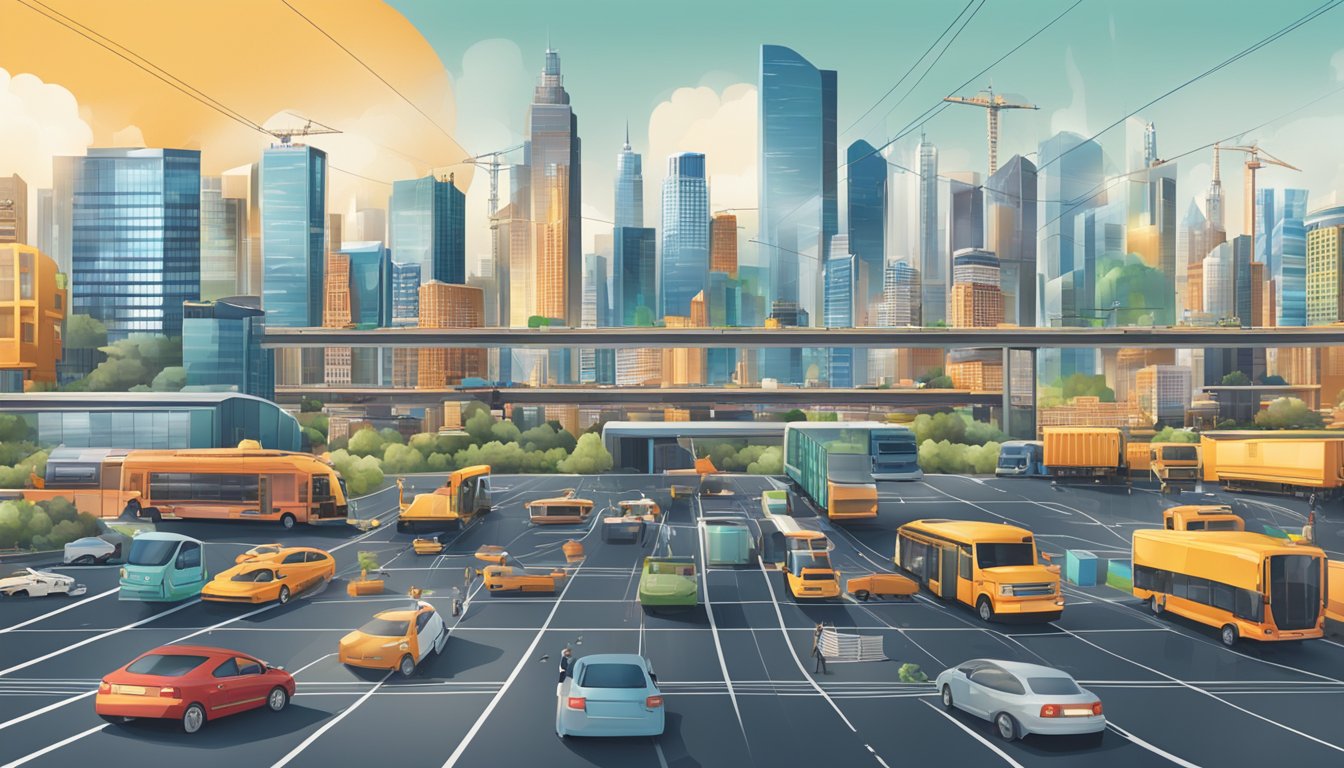
Unlocking Prosperity: The Essential Drivers of Economic Growth
I. Introduction
Economic growth is a fundamental aspect of any nation’s development, influencing the overall quality of life and prosperity of its citizens. Understanding the key drivers of economic growth is essential for policymakers, businesses, and individuals alike, as these factors can significantly impact a countryâ??s trajectory. This introduction will outline the primary elements that contribute to economic growth, setting the stage for a deeper exploration of each driver.
At the core of economic growth are several interconnected factors, including capital accumulation, technological advancement, and labor force development. Capital accumulation refers to the investment in physical assets, such as infrastructure and machinery, which enhances productivity. Meanwhile, technological advancements drive innovation, leading to more efficient processes and the creation of new industries.
Additionally, human capital plays a crucial role in fostering economic growth. A skilled and educated workforce is essential for adapting to changes in the market and leveraging new technologies. As nations invest in education and training, they empower their citizens to contribute effectively to the economy, ultimately driving growth and improving living standards.
A. Definition of Economic Growth
Economic growth refers to the increase in the production of goods and services in an economy over a specific period, typically measured as the percentage increase in real gross domestic product (GDP). It reflects the ability of an economy to expand its output and improve living standards for its population. This growth is essential for creating jobs, increasing income levels, and enhancing overall economic well-being.
The key drivers of economic growth include factors such as capital accumulation, technological advancements, labor force expansion, and improvements in productivity. Capital accumulation involves investments in physical assets, such as machinery and infrastructure, which enable higher production capacities. Technological advancements play a crucial role by introducing innovations that streamline processes and reduce costs, further boosting economic output.
Additionally, a growing labor force contributes to economic growth by providing the necessary human resources to support increased production. Education and skill development are vital in enhancing the productivity of the workforce. Furthermore, sound economic policies and stable political environments create a conducive atmosphere for investment, which is essential for sustained economic growth.
B. Importance of Understanding Economic Growth Drivers
Understanding the key drivers of economic growth is essential for policymakers and business leaders alike. By identifying these drivers, stakeholders can formulate strategies that leverage strengths and address weaknesses within their economies. This knowledge allows for more informed decision-making that can lead to sustainable economic development.
Moreover, recognizing the factors that contribute to economic growth can help in predicting future trends and potential challenges. For instance, shifts in technology, labor markets, and consumer preferences can significantly impact growth trajectories. Anticipating these changes enables governments and businesses to adapt proactively, ensuring long-term stability and prosperity.
Additionally, a comprehensive understanding of economic growth drivers can enhance international competitiveness. Countries that effectively harness their unique growth factors can attract foreign investment and talent, further fueling their economic engines. This competitive edge is crucial in a globalized economy where nations vie for resources and market share.
C. Overview of Key Drivers
Economic growth is primarily driven by several key factors that interact to enhance productivity and output. One of the most significant drivers is human capital, which refers to the skills and knowledge of the workforce. A highly educated and skilled labor force can lead to increased innovation and efficiency, ultimately fostering economic growth.
Another crucial driver is the accumulation of physical capital, such as machinery, infrastructure, and technology. Investments in capital goods enable businesses to produce more efficiently and at a larger scale, which can stimulate overall economic activity. Additionally, technological advancements play a vital role, as they improve processes and create new products, thus driving growth through increased productivity.
Lastly, the effective use of resources, known as total factor productivity, is essential for maximizing growth potential. This concept encompasses how well labor and capital are utilized in the production process. When resources are allocated efficiently, it leads to higher output without necessarily increasing input, contributing significantly to long-term economic growth.
II. Capital Accumulation
Capital accumulation plays a pivotal role in driving economic growth by increasing the productive capacity of an economy. It involves the accumulation of physical assets, such as machinery, infrastructure, and technology, which enhance productivity. As businesses invest in capital goods, they can produce more efficiently and at a larger scale, leading to increased output and economic expansion.
Moreover, capital accumulation is often fueled by savings and investments from both individuals and institutions. When households save a portion of their income, those funds can be directed towards investments that generate returns. This cycle of saving and investing creates a foundation for sustained economic growth, as more capital leads to greater innovation and job creation.
In addition to physical capital, human capital also contributes to capital accumulation. By investing in education and training, a workforce becomes more skilled and productive. This enhancement of human capital complements physical capital, allowing for more effective use of resources and fostering an environment conducive to economic development.
A. Definition and Types of Capital
Capital is a fundamental concept in economics, referring to the assets and resources that contribute to the production of goods and services. It plays a crucial role in facilitating economic growth by enabling businesses to invest in infrastructure, technology, and human resources. Understanding the different types of capital is essential for analyzing the key drivers of economic growth.
There are several types of capital, including physical capital, human capital, and financial capital. Physical capital encompasses tangible assets such as machinery, buildings, and equipment that enhance production efficiency. Human capital, on the other hand, refers to the skills, knowledge, and experience possessed by individuals, which significantly impact productivity and innovation.
Financial capital includes the funds available for investment in various projects and enterprises, enabling businesses to expand and innovate. Each type of capital contributes uniquely to economic growth, as they interact and complement one another in the production process. By fostering investment in these capital forms, economies can achieve sustained growth and improve living standards.
B. Role of Investment in Economic Growth
Investment plays a crucial role in driving economic growth by enhancing the productive capacity of an economy. When businesses invest in new technologies, equipment, or infrastructure, they increase their efficiency and output, leading to higher levels of production. This, in turn, creates more jobs and stimulates consumer spending, which further fuels economic expansion.
Moreover, investment in human capital, such as education and training, is essential for fostering innovation and improving workforce skills. A well-educated and skilled labor force can adapt to changing market demands and contribute to higher productivity levels. This investment in human resources not only boosts individual earnings but also supports overall economic development.
Public investment, particularly in infrastructure, is another key driver of economic growth. Well-maintained roads, bridges, and public transportation systems facilitate trade and reduce costs for businesses. This creates a more attractive environment for private sector investment, thereby reinforcing the cycle of growth and development within the economy.
C. Impact of Infrastructure Development
Infrastructure development plays a crucial role in driving economic growth by enhancing connectivity and accessibility. Improved transportation networks, such as roads, railways, and airports, facilitate the movement of goods and services, reducing costs and time for businesses. This efficiency encourages trade and attracts investments, ultimately stimulating economic activities.
Additionally, robust infrastructure supports the provision of essential services such as electricity, water, and telecommunications. Reliable access to these services is vital for businesses to operate effectively and for households to thrive. When infrastructure meets the needs of the population, it fosters an environment conducive to innovation and entrepreneurship.
Moreover, infrastructure development can create jobs and promote regional development. Construction projects not only provide immediate employment opportunities but also lead to long-term economic benefits through improved local economies. As regions become more interconnected, they can leverage their unique resources and talents, contributing to overall economic growth.
III. Labor Force Dynamics
The dynamics of the labor force play a crucial role in driving economic growth. A growing labor force can enhance productivity by increasing the number of workers available to contribute to various sectors of the economy. This increase in labor supply often leads to higher overall output, which is essential for sustained economic expansion.
Several factors influence labor force dynamics, including demographic trends, education levels, and labor market policies. For instance, an aging population may lead to a shrinking workforce, which can hinder economic growth unless offset by higher participation rates among younger demographics or increased productivity through technological advancements.
Additionally, labor force participation rates are affected by economic conditions. During periods of economic growth, more individuals are likely to enter the workforce, while during downturns, participation may decline as job opportunities diminish. This fluctuation can create challenges for policymakers aiming to maintain a stable and growing economy.
A. Importance of Labor Force Participation
The labor force participation rate is a crucial indicator of economic health, reflecting the proportion of the working-age population that is actively engaged in the labor market. Higher participation rates typically correlate with increased economic output, as more individuals contribute to productivity and innovation. This active engagement can drive consumer spending, which is vital for economic growth.
One of the key drivers of economic growth is the availability of a skilled and willing workforce. When labor force participation is high, it signals that more people are seeking employment, which can lead to a more dynamic economy. Additionally, a diverse labor force can enhance creativity and problem-solving, further fueling economic expansion.
Changes in labor force participation can significantly impact macroeconomic projections and overall economic trends. For instance, an increase in participation can help mitigate labor shortages, thereby supporting sustained economic growth. Conversely, declining participation rates may hinder economic progress by limiting the talent pool available to employers.
B. Education and Skill Development
Education and skill development are fundamental drivers of economic growth, as they enhance the productivity and efficiency of the workforce. A well-educated population is better equipped to adapt to changing market demands and technological advancements, fostering innovation and competitiveness. As individuals acquire new skills, they can contribute more effectively to various sectors, leading to increased output and economic expansion.
Investment in education not only benefits individuals but also has a positive ripple effect on society as a whole. Higher levels of education correlate with lower unemployment rates and improved income levels, which contribute to greater consumer spending and economic stability. Moreover, a skilled workforce attracts foreign investment, as companies seek locations with a capable talent pool to drive their operations.
Furthermore, continuous skill development is essential in a rapidly evolving global economy. Lifelong learning initiatives allow workers to remain relevant in their fields, ensuring that economies can adapt to new challenges and opportunities. By prioritizing education and skill development, countries can create a more resilient and dynamic economy that is better positioned for sustainable growth.
C. Demographic Factors and Workforce Trends
Demographic factors play a crucial role in shaping the workforce and, consequently, economic growth. An aging population, for instance, can lead to a shrinking labor force, which may hinder productivity and innovation. As the proportion of working-age individuals declines, economies may face challenges in maintaining growth rates.
Moreover, shifts in demographics, such as increased diversity and educational attainment, can influence workforce trends. A more educated workforce is likely to drive higher productivity levels, as skilled workers contribute to advanced industries and technologies. This transformation can enhance economic output and stimulate growth through innovation and improved efficiency.
Additionally, immigration can serve as a vital driver of economic growth by replenishing the labor force and bringing diverse skill sets. Immigrants often fill gaps in the labor market, especially in sectors facing shortages. This influx can lead to increased consumption and investment, further propelling economic development.
IV. Technological Innovation
Technological innovation is a fundamental driver of economic growth, as it enhances productivity and efficiency across various sectors. By introducing new tools, processes, and products, businesses can produce more with less, leading to increased output and economic expansion. This innovation not only boosts the performance of established industries but also fosters the emergence of entirely new markets.
Furthermore, technological advancements often lead to improved quality of life, which can stimulate consumer demand. As innovations in healthcare, education, and communication technologies enhance well-being, they create a more skilled and healthier workforce, ultimately contributing to economic growth. The interplay between technology and human capital is crucial, as a well-educated workforce is better equipped to leverage new technologies.
Investment in research and development (R&D) is essential for sustaining technological innovation. Governments and private sectors that prioritize R&D can create an environment conducive to breakthroughs that drive economic progress. This focus on innovation not only leads to immediate economic benefits but also positions countries competitively in the global market, ensuring long-term prosperity.
A. Definition and Examples of Technological Advancements
Technological advancements refer to the introduction of new technologies or improvements to existing technologies that enhance productivity and efficiency. These innovations can take various forms, including software developments, machinery upgrades, and the creation of new materials. The impact of these advancements can be seen across multiple sectors, driving economic growth by increasing output and reducing costs.
One prominent example of technological advancement is the rise of automation and robotics in manufacturing. Automated systems can perform tasks at a speed and precision that far exceed human capabilities, leading to higher production rates and lower labor costs. This shift not only boosts productivity but also allows companies to allocate resources more efficiently, fostering further economic development.
Another significant example is the development of information technology, particularly the internet and mobile communication. These technologies have transformed how businesses operate, enabling global connectivity and access to information. This has resulted in the emergence of new business models, such as e-commerce, which have contributed substantially to economic growth by expanding markets and increasing consumer choice.
B. Contribution of Research and Development
Research and Development (R&D) plays a crucial role in driving economic growth by fostering innovation and enhancing productivity. Through R&D, businesses and institutions develop new technologies, processes, and products that can lead to increased efficiency and output. This innovation is essential for maintaining competitiveness in a rapidly changing global market.
Investments in R&D have been shown to yield significant returns, not only for individual companies but also for the broader economy. For instance, a $1 increase in publicly funded basic research can stimulate an additional $8.38 in industry R&D investment over time. This multiplier effect highlights how initial public investment can catalyze further private sector engagement in research and innovation.
Moreover, R&D contributes to human capital development by creating high-skilled jobs and fostering a knowledgeable workforce. As companies invest in research, they often require a more educated workforce, which in turn enhances overall productivity and economic output. The synergy between R&D and education is a vital driver of sustainable economic growth.
Ultimately, the contribution of R&D to economic growth is evident in its ability to drive technological advancements and improve living standards. By continually pushing the boundaries of what is possible, research and development not only fuels economic expansion but also addresses societal challenges, making it a cornerstone of modern economies.
C. Influence of Technology on Productivity
Technology plays a crucial role in driving productivity, which is one of the key components of economic growth. By enabling more efficient production processes, technology allows businesses to produce higher quality goods and services at lower costs. This efficiency not only boosts output but also enhances competitiveness in the global market.
The introduction of innovative technologies can lead to significant improvements in labor productivity. For example, the adoption of information technology (IT) has transformed various sectors by streamlining operations and facilitating better communication. As a result, companies can respond more swiftly to market demands, ultimately contributing to economic expansion.
Moreover, technological advancements often create new industries and job opportunities, thereby stimulating economic growth further. While some traditional jobs may be displaced due to automation, the overall effect of technology is to enhance productivity and promote higher living standards. This dynamic underscores the importance of continuous investment in technology and innovation as a driver of economic progress.
V. Human Capital Development
Human capital development is a critical driver of economic growth, as it enhances the skills, knowledge, and abilities of the workforce. Investments in education and training empower individuals, leading to increased productivity and innovation. A well-educated workforce is more adaptable to changes in the economy, which is essential for sustaining growth over time.
Moreover, human capital development fosters entrepreneurship and the creation of new businesses. When individuals possess the necessary skills and knowledge, they are more likely to identify opportunities and take risks, contributing to economic dynamism. This entrepreneurial spirit not only generates jobs but also stimulates competition and technological advancements within the market.
Additionally, effective health care and social services play a vital role in human capital development. A healthy workforce is more productive and less prone to absenteeism, which directly impacts economic performance. By ensuring access to quality health care, societies can enhance the overall well-being of their populations, further driving economic growth through improved labor output.
A. Definition of Human Capital
Human capital refers to the collective skills, knowledge, and experience possessed by individuals within a society. It encompasses education, training, and health, all of which contribute to an individual’s ability to perform labor and generate economic value. As a key component of economic growth, human capital enhances productivity and innovation, driving advancements in various sectors.
Investing in human capital is crucial for fostering economic development. Education and training programs equip the workforce with the necessary skills to adapt to changing market demands. A well-educated and skilled labor force not only increases efficiency but also stimulates creativity and entrepreneurship, leading to new business ventures and technologies.
Moreover, human capital plays a significant role in attracting foreign investment. Countries with a highly skilled workforce are often seen as more attractive to investors, as they provide a competitive edge in the global market. This influx of investment can further enhance economic growth by creating jobs and increasing overall productivity.
B. Importance of Health and Education
Health and education are fundamental components that drive economic growth. A healthy population is more productive, as individuals are better able to work, learn, and contribute to economic activities. When people are in good health, they tend to have higher levels of energy and motivation, directly impacting their efficiency and output in the workplace.
Education plays a critical role in equipping individuals with the skills necessary for the modern economy. A well-educated workforce is essential for innovation and technological advancements, which are key drivers of economic progress. Higher levels of education correlate with increased productivity, leading to higher wages and improved living standards.
Moreover, investments in health and education create a positive feedback loop for economic development. Healthier individuals are more likely to pursue education, and educated individuals are more likely to make informed health choices. This synergy not only enhances individual potential but also fosters a more resilient and adaptable economy.
C. Impact on Economic Performance
The key drivers of economic growth significantly influence overall economic performance. Factors such as technological advancements, human capital development, and capital accumulation play a crucial role in enhancing productivity. As these elements improve, they lead to increased output and efficiency within various sectors of the economy.
Investment in infrastructure is another critical driver that impacts economic performance. Well-developed infrastructure facilitates trade, reduces transportation costs, and enhances connectivity, which in turn stimulates economic activities. This investment creates a conducive environment for businesses to thrive, ultimately contributing to sustained economic growth.
Additionally, sound governance and stable political environments are essential for fostering economic performance. When governments implement effective policies and maintain regulatory frameworks, they create a favorable climate for investment and innovation. This stability encourages both domestic and foreign investments, further driving economic growth and enhancing overall performance.
VI. Natural Resources
Natural resources play a crucial role in driving economic growth by providing the raw materials necessary for production and development. Countries rich in resources such as oil, minerals, and forests can leverage these assets to boost their economies through exports and industrial activities. Proper management and utilization of these resources are essential to maximize their economic benefits.
The impact of natural resources on economic growth can vary significantly based on the quality of institutions and governance in place. Effective management of resources can lead to sustainable economic growth, while poor governance may result in the “resource curse,” where resource-rich countries experience slower growth due to mismanagement and corruption. Thus, the institutional framework surrounding resource extraction and use is a key driver of economic outcomes.
Additionally, technological innovation and energy efficiency in utilizing natural resources can further enhance economic growth. As industries adopt more sustainable practices and improve resource efficiency, they can reduce costs and increase productivity. This shift not only supports economic growth but also contributes to environmental sustainability, highlighting the interconnectedness of resource management and economic development.
A. Role of Natural Resources in Economic Growth
Natural resources play a crucial role in driving economic growth by providing the raw materials necessary for production and manufacturing. Countries rich in resources such as oil, minerals, and forests often experience a boost in their economic activities, leading to increased employment and income levels. The availability of these resources can attract foreign investment, further enhancing economic development.
Moreover, the effective management and utilization of natural resources can lead to sustainable growth. When a country invests in technology and infrastructure to harness its resources efficiently, it can create a competitive advantage in global markets. This not only stimulates local economies but also contributes to trade balances and national wealth.
However, reliance on natural resources can also present challenges, such as resource depletion and environmental degradation. To ensure long-term economic growth, it is essential for nations to diversify their economies and invest in renewable resources and sustainable practices. Balancing resource extraction with environmental stewardship is key to fostering a resilient and thriving economy.
B. Sustainable Management of Resources
Sustainable management of resources plays a crucial role in driving economic growth by ensuring that natural assets are utilized efficiently and responsibly. By adopting practices that prioritize sustainability, economies can reduce waste, lower costs, and enhance productivity. This approach not only conserves resources for future generations but also fosters innovation in green technologies and practices.
Investing in sustainable resource management can lead to the creation of new markets and job opportunities, contributing to economic expansion. For instance, industries focused on renewable energy and sustainable agriculture are increasingly becoming significant contributors to GDP. By transitioning to a circular economy, where resources are reused and recycled, countries can stimulate growth while minimizing environmental impact.
Furthermore, sustainable management practices can enhance resilience against economic shocks caused by resource depletion or environmental degradation. By diversifying resource use and promoting sustainable practices, economies can mitigate risks and maintain stability. Ultimately, integrating sustainability into economic strategies not only supports growth but also ensures long-term viability and prosperity.
C. Global Trade and Resource Allocation
Global trade plays a pivotal role in economic growth by facilitating the exchange of goods and services across borders. This interconnectedness allows countries to specialize in the production of goods where they have a comparative advantage, leading to more efficient resource allocation. As nations engage in trade, they can access a broader market, driving innovation and enhancing productivity.
Resource allocation is significantly influenced by global trade patterns, as countries prioritize the production of goods that meet international demand. This dynamic encourages investment in industries that are poised for growth, thereby stimulating job creation and economic expansion. Additionally, by importing resources that are scarce domestically, countries can optimize their production processes and enhance overall economic resilience.
The benefits of global trade extend beyond mere economic metrics; they also promote cultural exchange and collaboration among nations. As countries become more economically interdependent, they are incentivized to maintain stable relations and work together towards common goals. This cooperation can lead to improved political stability, which is a critical component of sustained economic growth.
VII. Government Policies
Government policies play a crucial role in shaping the economic landscape and driving growth. By establishing a stable regulatory framework, governments can create an environment conducive to investment and innovation. Policies that promote free trade, protect property rights, and ensure fair competition are essential for fostering economic activity.
Fiscal policy, including government spending and taxation, significantly impacts economic growth. Strategic investments in infrastructure, education, and healthcare can enhance productivity and workforce capabilities. Conversely, high taxes or excessive regulation can stifle entrepreneurship and deter foreign investment, hindering economic progress.
Monetary policy also influences economic growth by managing inflation and interest rates. Central banks can stimulate growth by lowering interest rates, making borrowing more accessible for businesses and consumers. This encourages spending and investment, which are vital components of a thriving economy.
Additionally, government policies aimed at technological advancement and research can drive innovation. By funding research and development initiatives, governments can help foster new industries and improve existing ones. This not only boosts economic growth but also enhances a country’s global competitiveness.
A. Economic Policies and Regulation
Economic policies and regulations play a crucial role in shaping the environment for growth by influencing investment decisions, consumer behavior, and overall economic stability. Governments utilize a variety of tools, including fiscal policies, monetary policies, and regulatory frameworks, to create conditions conducive to economic expansion. By setting interest rates, controlling inflation, and managing public spending, policymakers can stimulate demand and encourage private sector investment.
Moreover, regulatory frameworks that promote competition and protect property rights are essential for fostering innovation and entrepreneurship. When businesses operate in a predictable regulatory environment, they are more likely to invest in new technologies and expand their operations. This not only drives productivity but also creates jobs, further contributing to economic growth.
Trade policies also significantly impact economic growth by determining the flow of goods and services across borders. Open trade policies can enhance market access, reduce costs for consumers, and encourage specialization, leading to greater efficiency. Conversely, protectionist measures may shield domestic industries in the short term but can hinder overall economic growth in the long run by limiting competition and innovation.
B. Role of Taxation and Public Spending
Taxation plays a crucial role in shaping economic growth by influencing both consumer behavior and business investment. A well-structured tax system can provide the necessary revenue for public services and infrastructure, which are vital for a productive economy. Conversely, high tax rates may deter investment and reduce disposable income, potentially stifling growth.
Public spending is equally important as it directly affects the level of economic activity. Investments in infrastructure, education, and healthcare can enhance productivity and create a more skilled workforce. By allocating resources effectively, governments can stimulate demand and encourage private sector growth, leading to a more robust economy.
Furthermore, the balance between taxation and public spending is essential for sustainable growth. Efficient public spending funded by a fair tax system can lead to improved economic outcomes. When citizens see the benefits of their tax contributions, such as better public services and infrastructure, they are more likely to support and comply with tax policies, fostering a positive cycle of growth.
C. Importance of Political Stability and Governance
Political stability is a crucial driver of economic growth as it creates an environment where businesses can operate with confidence. When citizens and investors perceive that the government is stable and effective, they are more likely to invest in long-term projects. This stability reduces the risks associated with political turmoil, which can deter both domestic and foreign investments.
Effective governance plays a significant role in ensuring that economic policies are implemented efficiently and transparently. Good governance fosters trust in institutions, which is essential for economic transactions and investments. When governments are accountable and responsive, they can better address the needs of the economy, leading to enhanced productivity and growth.
Moreover, political stability and sound governance contribute to social cohesion and reduce conflict, which are vital for sustainable economic development. A stable political environment allows for the establishment of consistent laws and regulations that support business operations. This predictability encourages innovation and entrepreneurship, further driving economic growth.
VIII. Globalization and Trade
Globalization has emerged as a fundamental driver of economic growth by facilitating the exchange of goods, services, and capital across borders. It enables countries to specialize in the production of goods where they have a comparative advantage, thereby increasing overall efficiency and productivity. This interconnectedness allows for greater access to markets, which can lead to higher levels of investment and innovation.
Trade liberalization, a key aspect of globalization, reduces barriers such as tariffs and quotas, promoting a more competitive environment. This competition encourages businesses to improve their products and services, leading to better quality and lower prices for consumers. As nations engage in trade, they also benefit from the transfer of technology and ideas, further enhancing economic development.
Moreover, globalization fosters economic growth by attracting foreign direct investment (FDI). Investors are drawn to countries with open trade policies and stable economic environments, leading to the creation of jobs and the development of infrastructure. This influx of capital not only stimulates local economies but also integrates them into the global economy, creating a cycle of growth and opportunity.
A. Definition of Globalization
Globalization refers to the interconnectedness and interdependence of economies, cultures, and populations across the globe. It involves the exchange of goods, services, information, and ideas, leading to a more integrated world economy. This phenomenon has accelerated due to advancements in technology, transportation, and communication.
In the context of economic growth, globalization plays a critical role by expanding markets and increasing competition. It allows countries to specialize in the production of goods and services in which they have a comparative advantage. As a result, nations can achieve greater efficiency and productivity, contributing to overall economic development.
Furthermore, globalization facilitates the flow of capital and investments across borders, enabling access to resources and technology. This influx of foreign direct investment can stimulate local economies, create jobs, and foster innovation. Ultimately, globalization serves as a key driver of economic growth by promoting trade and investment on a global scale.
B. Impact of Trade on Economic Growth
Trade plays a crucial role in driving economic growth by enabling countries to specialize in the production of goods and services where they have a comparative advantage. This specialization leads to increased efficiency and productivity, allowing nations to produce more output at lower costs. As a result, countries can enhance their competitiveness in the global market, leading to higher levels of economic activity.
Moreover, trade facilitates access to a broader range of goods and services, which can improve consumer welfare and stimulate domestic industries. By importing goods that are less expensive or of higher quality than what is produced locally, consumers benefit from lower prices and increased choices. This dynamic not only boosts consumption but also encourages local producers to innovate and improve their offerings.
Additionally, trade can attract foreign direct investment (FDI), which is another significant driver of economic growth. When countries engage in international trade, they often create a more favorable environment for foreign investors, leading to the establishment of new businesses and the expansion of existing ones. This influx of capital can contribute to job creation, technology transfer, and overall economic development.
C. Foreign Direct Investment (FDI) and Economic Development
Foreign Direct Investment (FDI) plays a crucial role in driving economic growth by providing capital, technology, and expertise to host countries. This influx of resources can stimulate local industries, create job opportunities, and enhance productivity. As foreign companies invest in a nation, they often bring innovative practices and processes that can lead to increased competitiveness.
Moreover, FDI contributes to the development of infrastructure, which is essential for economic activities. Improved transportation, communication, and energy systems can create a conducive environment for businesses to thrive. This infrastructure development not only benefits foreign investors but also enhances the quality of life for local populations.
Additionally, FDI can lead to knowledge transfer, where local firms and workers gain access to new skills and technologies. This exchange fosters a more skilled workforce, ultimately contributing to long-term economic development. As local businesses become more adept, they can engage in higher-value activities, further propelling economic growth.
IX. Conclusion
In summary, the key drivers of economic growth encompass a variety of factors that interact to foster development. These include technological advancements, human capital investment, and sound economic policies that create a conducive environment for business. Understanding these drivers is essential for policymakers aiming to stimulate growth and improve living standards.
Furthermore, the role of infrastructure cannot be overlooked, as it facilitates trade and enhances productivity. Investment in infrastructure not only supports existing industries but also attracts foreign direct investment, which can lead to further economic expansion. As countries prioritize these elements, they set the foundation for sustainable growth.
Ultimately, the interplay between these drivers highlights the complexity of economic growth. A multifaceted approach that considers local contexts and global trends is crucial for effective economic planning. By leveraging these key drivers, nations can pave the way for a prosperous future, ensuring that growth benefits all segments of society.
A. Summary of Key Drivers
Economic growth is primarily driven by several key factors that interact to enhance productivity and output. One of the most significant drivers is capital accumulation, which includes investments in physical capital such as machinery, infrastructure, and technology. These investments enable businesses to increase their production capacity and efficiency, leading to higher output levels.
Another crucial driver is human capital, which refers to the skills, knowledge, and experience of the workforce. A well-educated and skilled labor force is essential for innovation and productivity improvements. Investing in education and training can lead to a more competent workforce, which in turn fosters economic growth through increased efficiency and creativity.
Additionally, technological advancements play a vital role in driving economic growth. Innovations can lead to new products and processes that improve efficiency and create new markets. The adoption of technology not only enhances productivity but also enables economies to adapt to changing consumer demands and global competition.
Lastly, favorable government policies and institutions are essential for creating an environment conducive to economic growth. This includes stable political conditions, sound legal frameworks, and supportive regulatory policies that encourage investment and entrepreneurship. When businesses operate in a stable and predictable environment, they are more likely to invest and expand, driving overall economic growth.
B. Implications for Policy and Economic Strategy
Understanding the key drivers of economic growth is essential for policymakers aiming to create a conducive environment for sustainable development. Investment in human capital, through education and training, enhances labor productivity, which is a fundamental driver of growth. Policies that prioritize skill development can lead to a more competitive workforce, ultimately fostering innovation and economic expansion.
Infrastructure development is another critical driver of economic growth that requires strategic policy intervention. Governments should focus on improving transportation, energy, and communication networks to facilitate trade and attract investment. By investing in infrastructure, countries can reduce transaction costs and enhance overall economic efficiency, leading to increased productivity.
In addition, fostering a stable macroeconomic environment is vital for encouraging private sector investment. Policymakers should aim for sound fiscal and monetary policies that maintain low inflation and stable interest rates. A predictable economic environment not only boosts investor confidence but also promotes long-term planning and growth initiatives by businesses.
Finally, promoting innovation and technology adoption is crucial for driving economic growth in today’s digital age. Policies that support research and development, as well as entrepreneurship, can stimulate new industries and enhance existing ones. By creating an ecosystem that encourages innovation, governments can ensure that their economies remain dynamic and competitive on a global scale.
C. Future Trends in Economic Growth Factors
As the global economy evolves, technology remains a critical driver of economic growth. Innovations in artificial intelligence, automation, and renewable energy are expected to enhance productivity and create new markets. These technological advancements not only streamline operations but also foster the development of new industries, contributing significantly to GDP growth.
Another key factor influencing future economic growth is the increasing importance of human capital. As economies shift towards knowledge-based industries, education and skill development will play a pivotal role. Nations that invest in education and training will likely experience a more robust economic growth trajectory, as a skilled workforce is essential for adapting to changing market demands.
Moreover, demographic changes and urbanization are set to reshape economic landscapes. As populations in developing regions continue to migrate to urban areas, there will be increased demand for infrastructure, housing, and services. This urbanization trend can stimulate economic activity and investment, driving growth in both emerging and established markets.
Finally, sustainability is becoming a crucial factor in economic growth strategies. As concerns about climate change and environmental degradation rise, businesses and governments are prioritizing sustainable practices. Investments in green technology and sustainable resource management not only address environmental challenges but also create new economic opportunities, fostering long-term growth.
Frequently Asked Questions
What is economic growth?
Economic growth refers to the increase in the production of goods and services in an economy over a specific period, typically measured by the rise in Gross Domestic Product (GDP). It indicates a higher standard of living and improved economic health.
Why is it important to understand the drivers of economic growth?
Understanding the drivers of economic growth is crucial for policymakers, businesses, and individuals as it helps in formulating effective strategies to boost economic performance, improve living standards, and address economic challenges.
What are the key drivers of economic growth?
The key drivers of economic growth include capital accumulation, labor force dynamics, technological innovation, human capital development, natural resources, government policies, and globalization and trade.
What is capital accumulation and why is it important?
Capital accumulation refers to the growth of capital assets through investment. It is important because it enhances productive capacity, leads to infrastructure development, and supports overall economic growth.
How does labor force participation affect economic growth?
Labor force participation impacts economic growth by determining the number of individuals available to contribute to production. Higher participation rates can lead to increased output and economic expansion.
What role does education play in economic growth?
Education is vital for economic growth as it equips the workforce with skills and knowledge, enhancing productivity and innovation, which are essential for a competitive economy.
How does technological innovation drive economic growth?
Technological innovation drives economic growth by improving productivity, creating new markets, and enhancing efficiency in production processes, leading to higher output and economic development.
What is human capital and why is it significant?
Human capital refers to the skills, knowledge, and experience possessed by individuals. It is significant because a well-educated and healthy workforce can contribute more effectively to economic performance.
How do natural resources contribute to economic growth?
Natural resources contribute to economic growth by providing raw materials for production and trade. Effective and sustainable management of these resources is crucial for long-term economic stability.
What role do government policies play in economic growth?
Government policies influence economic growth through regulations, taxation, and public spending. Effective policies can create a conducive environment for investment and economic activity.
How does globalization impact economic growth?
Globalization impacts economic growth by facilitating trade, increasing market access, and promoting foreign direct investment (FDI), which can lead to economic development and integration into the global economy.
What are the future trends in economic growth factors?
Future trends in economic growth factors may include advancements in technology, shifts in labor force dynamics, changes in government policies, and evolving patterns of globalization, all of which will shape economic strategies and performance.
Leave a Reply