
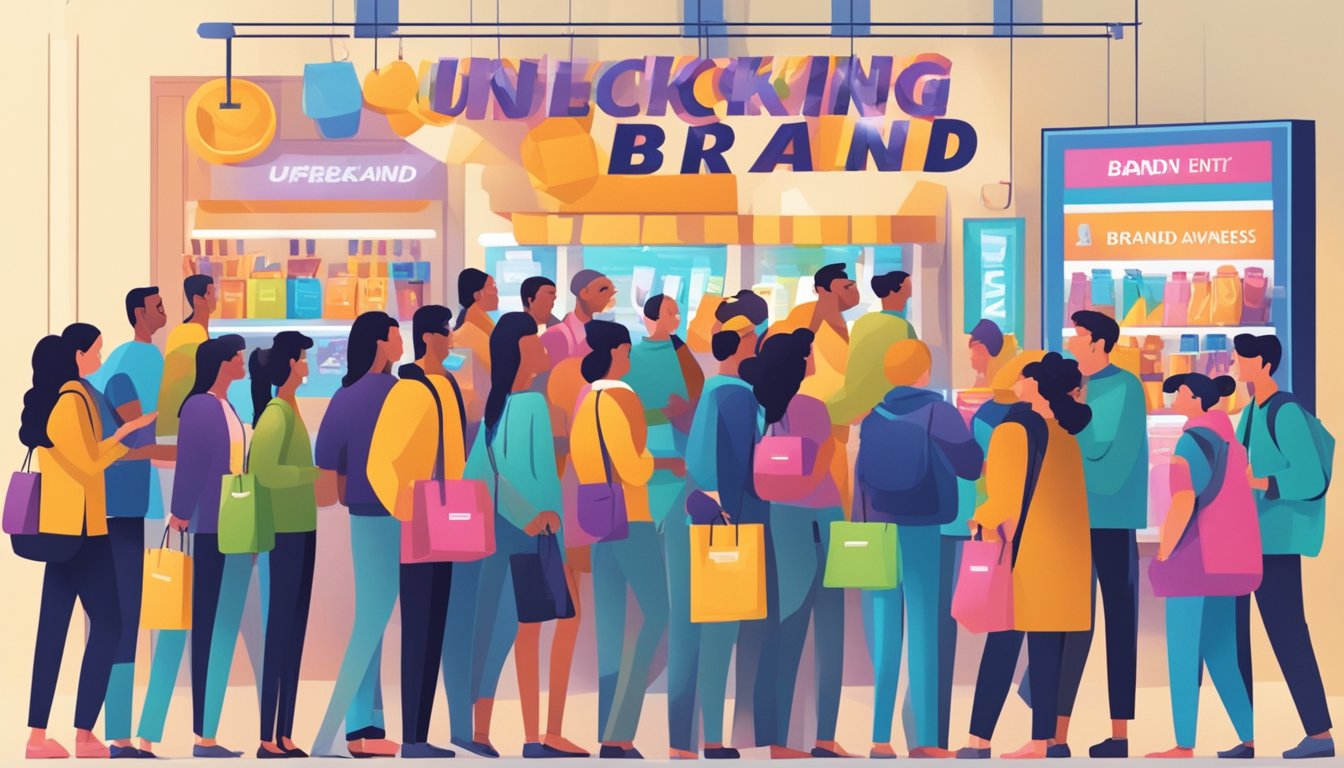
Unlocking Brand Awareness: How Strategic Price Promotions Can Elevate Your Brand’s Visibility
I. Introduction
Price promotions are a powerful marketing tool that can significantly enhance brand awareness. By offering discounts or special deals, businesses can attract new customers and encourage repeat purchases. This strategy not only boosts sales but also creates buzz around the brand, leading to increased visibility in a competitive market.
In today’s fast-paced consumer environment, standing out is crucial. Price promotions can be an effective way to capture attention and differentiate a brand from its competitors. When executed thoughtfully, these promotions can create a sense of urgency and excitement among consumers, prompting them to engage with the brand.
Moreover, price promotions can serve as a gateway for consumers to experience a brand’s products or services. Once customers try a product at a discounted rate, they may develop a preference for the brand, leading to long-term loyalty. This introduction to the brand can pave the way for future marketing opportunities and sustained growth.
A. Definition of price promotions
Price promotions are marketing strategies that involve temporarily reducing the price of a product or service to attract customers and stimulate sales. This approach can take various forms, such as discounts, coupons, or limited-time offers, aiming to create urgency and encourage immediate purchases.
By lowering prices for a short period, businesses can increase visibility and draw attention to their brand. This tactic not only helps in clearing inventory but also enhances customer engagement, making it an effective tool for brand awareness.
Price promotions can significantly impact consumer behavior, as they often lead to increased foot traffic in stores or heightened online activity. When customers perceive they are getting a deal, they are more likely to share their experiences, thereby amplifying word-of-mouth marketing and expanding brand reach.
B. Importance of brand awareness
Brand awareness is crucial for any business looking to expand its reach and influence in the market. It establishes a foundation for customer trust and loyalty, allowing consumers to recognize and recall a brand when making purchasing decisions. High brand awareness can lead to increased word-of-mouth referrals and a stronger overall brand reputation.
Price promotions serve as an effective strategy to enhance brand awareness by attracting new customers and encouraging trial purchases. When consumers encounter a brand through promotional pricing, they are more likely to remember it and share their experiences with others. This can create a ripple effect, amplifying brand recognition across various demographics.
Moreover, promotional pricing can differentiate a brand from its competitors, especially in crowded markets. By offering limited-time discounts or special deals, brands can capture the attention of potential customers who may not have been aware of them previously. This initial exposure can be pivotal in converting first-time buyers into repeat customers, further solidifying brand awareness.
C. Overview of how price promotions can enhance brand visibility
Price promotions are a powerful tool for increasing brand visibility by attracting new customers and generating buzz around a brand. When businesses offer discounts or special deals, they create a sense of urgency that encourages consumers to make a purchase, thereby amplifying word-of-mouth marketing and social media discussions.
Moreover, promotional pricing can help brands stand out in a crowded marketplace. By implementing eye-catching promotions, companies can draw attention to their products, making them more memorable to potential customers. This heightened visibility can lead to increased brand recognition and loyalty over time.
Additionally, price promotions can facilitate trial among hesitant consumers. When customers perceive a limited-time offer as a risk-free opportunity to experience a brand, they are more likely to engage with it. This initial interaction can pave the way for repeat purchases and long-term brand advocacy.
II. Understanding Price Promotions
Price promotions are strategic marketing tools designed to enhance sales and attract new customers by offering temporary discounts or special offers. These promotions can take various forms, including percentage discounts, buy-one-get-one-free deals, or limited-time offers. Understanding the mechanics of price promotions is crucial for businesses aiming to boost brand awareness effectively.
When executed correctly, price promotions can create a sense of urgency among consumers, prompting them to make quicker purchasing decisions. This urgency not only drives immediate sales but also helps in building brand recognition as customers associate the brand with value and savings. Moreover, effective promotion strategies can lead to increased foot traffic in stores or higher traffic on e-commerce platforms.
It is essential to align price promotions with the overall brand strategy to ensure that they resonate with the target audience. Promotions should reflect the brand’s values and image, enhancing customer loyalty while attracting new customers. By carefully planning and implementing these promotions, brands can leverage them as a powerful tool for increasing visibility and market presence.
A. Types of price promotions
Price promotions come in various forms, each designed to attract attention and stimulate sales. One common type is the discount promotion, where products are offered at reduced prices for a limited time. This approach not only encourages immediate purchases but also enhances brand visibility as customers flock to take advantage of the deal.
Another effective type of price promotion is the buy-one-get-one-free (BOGO) offer. This strategy not only increases the volume of sales but also introduces new customers to the brand. By encouraging customers to try additional products, BOGO promotions can significantly boost brand awareness and customer loyalty.
Seasonal promotions are also a powerful tool for enhancing brand visibility. These promotions align with holidays or special events, allowing brands to create themed offers that resonate with consumers. By tapping into the festive spirit, brands can effectively capture attention and drive sales during peak shopping periods.
Lastly, loyalty programs that offer discounts or rewards for repeat purchases can foster long-term relationships with customers. By incentivizing repeat business, brands can not only increase sales but also cultivate a community of loyal advocates. This type of promotion ensures ongoing brand exposure as satisfied customers share their experiences with others.
1. Discounts
Discounts are a powerful tool for brands looking to enhance their visibility and attract new customers. By offering products or services at reduced prices, businesses can create a sense of urgency and encourage potential buyers to make a purchase. This strategy not only boosts sales in the short term but also helps in capturing the attention of consumers who may not have considered the brand otherwise.
Implementing discounts can also lead to increased word-of-mouth marketing. Satisfied customers who take advantage of a promotion are likely to share their positive experiences with friends and family, further amplifying the brand’s reach. This organic promotion can be especially effective in building brand awareness in new markets or demographics.
Moreover, discounts can be strategically timed to coincide with holidays, special events, or product launches. By aligning promotions with key dates, brands can maximize their visibility and relevance in the marketplace. This approach not only drives immediate sales but also reinforces the brand’s presence in consumers’ minds, making it more likely they will return in the future.
2. Coupons
Coupons are a powerful tool in the arsenal of price promotions, serving as an effective means to attract new customers and retain existing ones. By providing discounts or special offers, brands can incentivize purchases and encourage trial of their products. This not only boosts immediate sales but also enhances brand visibility as customers share their savings with friends and family.
To maximize the impact of coupons, businesses should consider various distribution channels. Digital coupons, for instance, can be shared via email, social media, or mobile apps, reaching a wider audience quickly and efficiently. Additionally, partnering with influencers or popular platforms can amplify the reach and credibility of the coupon campaign.
Moreover, the timing of coupon promotions can significantly affect their success. Aligning coupon offers with seasonal events, holidays, or product launches can create urgency and drive traffic. By strategically planning these promotions, brands can not only increase sales but also enhance their overall brand awareness in the marketplace.
3. BOGO (Buy One Get One) offers
BOGO offers, or Buy One Get One promotions, are a powerful tool for enhancing brand awareness. By encouraging customers to purchase one item and receive another for free or at a discount, these promotions create an enticing value proposition that attracts attention. This strategy not only drives immediate sales but also introduces customers to new products, potentially increasing their loyalty to the brand.
Implementing BOGO promotions can evoke excitement and urgency among consumers, motivating them to share their experiences with friends and family. This word-of-mouth marketing can significantly amplify brand visibility, as satisfied customers become advocates for the products they enjoy. Additionally, BOGO deals can be tailored to specific products or categories, allowing brands to strategically promote items they wish to highlight.
To maximize the effectiveness of BOGO promotions, businesses should ensure that the offers are well-communicated through various marketing channels. Social media, email newsletters, and in-store displays can all play a role in spreading the word. By creating a cohesive marketing strategy around BOGO offers, brands can not only boost sales but also solidify their presence in the minds of consumers.
B. Objectives of using price promotions
Price promotions serve as a strategic tool for brands aiming to enhance their visibility in a competitive market. By offering temporary discounts or special offers, companies can attract new customers who may not have previously considered their products. This increased foot traffic or online engagement can significantly elevate brand awareness.
Another key objective of price promotions is to encourage trial among potential customers. When consumers encounter a product at a reduced price, they may be more willing to experiment with it, leading to a higher likelihood of repeat purchases. This trial can effectively convert first-time buyers into loyal customers, further solidifying the brand’s presence in the market.
Additionally, price promotions can help to clear out inventory and make way for new products. By incentivizing purchases through discounts, brands can not only boost immediate sales but also create buzz around upcoming launches. This strategy not only enhances brand awareness but also fosters a sense of urgency among consumers, prompting them to act quickly.
1. Increase sales
Price promotions are a strategic tool for increasing sales by attracting new customers and encouraging repeat purchases. When consumers perceive a product as being offered at a discount, it can create a sense of urgency, prompting them to buy before the promotion ends. This immediate boost in sales can help brands clear inventory and improve cash flow.
In addition to driving short-term sales, price promotions can enhance brand visibility in a crowded marketplace. By offering limited-time discounts, brands can capture the attention of potential customers who may not have considered their products before. This increased visibility can lead to higher foot traffic in stores or more visits to online platforms.
Moreover, successfully executed price promotions can foster customer loyalty and long-term relationships. When consumers experience a positive interaction with a brand during a promotion, they are more likely to return for future purchases. This loyalty not only boosts sales but also contributes to a stronger brand reputation and awareness over time.
2. Attract new customers
Price promotions serve as a powerful tool for attracting new customers by providing an immediate incentive to try a brand’s products or services. By offering discounts or special deals, businesses can lower the barrier to entry for potential customers who may have been hesitant to make a purchase. This strategy not only encourages trial but also creates a sense of urgency that can drive quick decision-making.
When executed effectively, price promotions can enhance brand visibility in a crowded marketplace. New customers are often drawn to promotional offers, and once they engage with the brand, they may be more likely to explore additional products or services. This initial interaction can lead to increased word-of-mouth referrals, further amplifying brand awareness among new audiences.
Furthermore, leveraging social media and digital marketing channels to promote these price reductions can significantly widen the reach. By sharing promotional campaigns online, brands can attract attention from potential customers who may not have been aware of them previously. This digital exposure, combined with enticing offers, can convert casual browsers into loyal customers.
3. Clear inventory
Utilizing price promotions effectively can help businesses clear out excess inventory while simultaneously boosting brand awareness. By offering discounts on products that are overstocked or nearing their expiration, companies can attract price-sensitive customers who may not have considered the brand before. This strategy not only helps in reducing inventory costs but also introduces new customers to the brand’s offerings.
Promotional pricing can create a sense of urgency among consumers, encouraging them to make a purchase before the offer expires. This tactic can be especially effective during seasonal sales or special events, where customers are already in a buying mindset. As customers engage with the brand through these promotions, they become more familiar with the product range, potentially leading to future purchases.
Moreover, clearing out inventory through price promotions can enhance brand visibility. When customers share their positive experiences or great deals on social media, it amplifies brand awareness beyond the initial promotion. This word-of-mouth marketing can lead to increased traffic and interest in the brand, ultimately contributing to long-term growth and customer loyalty.
III. The Relationship Between Price Promotions and Brand Awareness
Price promotions play a crucial role in enhancing brand awareness by attracting consumer attention and encouraging trial purchases. When brands offer discounts or special deals, they create a sense of urgency that can prompt consumers to consider their products over competitors. This immediate incentive often leads to increased visibility and recognition of the brand in a crowded marketplace.
Research indicates that price promotions can effectively induce brand switching and stimulate product trials, which are essential for building brand awareness. As consumers experience a brand through promotional offers, they are more likely to remember and recognize it in the future. This process not only boosts short-term sales but also contributes to long-term brand equity.
Furthermore, the frequency and structure of price promotions can influence how consumers perceive a brand’s value. Infrequent promotions may enhance the perceived quality of a brand, while frequent promotions can lead to price sensitivity among consumers. Striking the right balance in promotional strategy is key to maintaining brand awareness without diluting brand value.
A. How price promotions capture attention
Price promotions are a powerful tool for brands looking to capture consumer attention in a crowded marketplace. By offering discounts or special deals, brands can create a sense of urgency that compels potential customers to take immediate action. This urgency not only piques interest but also encourages consumers to explore the brand further.
When consumers see a price promotion, it often triggers a psychological response that makes them more likely to engage with the brand. The perception of saving money can enhance the overall value proposition, making the product more appealing. This heightened interest can lead to increased foot traffic in stores or higher click-through rates in online campaigns.
Furthermore, price promotions can effectively differentiate a brand from its competitors. In an environment where many products are similar, a compelling discount can make a brand stand out, drawing attention away from rivals. This differentiation not only boosts immediate sales but also helps establish a brand’s presence in the minds of consumers.
B. Impact on consumer perception
Price promotions significantly influence consumer perception by creating a sense of urgency and value. When consumers encounter discounts or special offers, they often perceive the brand as more accessible and appealing, which can enhance their overall brand awareness. This heightened perception can lead to increased foot traffic and online engagement, as consumers are drawn to the perceived savings.
However, frequent price promotions can also lead to skepticism regarding the brand’s quality. Consumers may begin to associate lower prices with inferior products, which can erode trust and brand equity over time. It is crucial for brands to balance promotional strategies with maintaining a strong quality perception to avoid potential negative impacts on consumer trust.
Additionally, the framing of promotions plays a vital role in shaping consumer perception. Effective communication of the value behind a promotion can enhance the perceived benefits, making consumers feel they are receiving a good deal. This positive framing can foster brand loyalty, encouraging repeat purchases and long-term relationships with consumers.
C. Building brand loyalty through promotions
Price promotions can serve as a powerful tool for building brand loyalty by creating a positive association between the brand and customer savings. When consumers perceive they are getting a good deal, it enhances their overall experience and satisfaction with the brand. This can lead to repeat purchases and a stronger emotional connection to the brand.
Moreover, promotional campaigns that reward loyal customers can further solidify this bond. By offering exclusive discounts or early access to sales for repeat customers, brands can make these consumers feel valued and appreciated. This sense of belonging encourages them to continue supporting the brand over competitors.
In addition, effective communication about promotions can enhance brand visibility and awareness. When customers share their positive experiences with promotional offers on social media or through word-of-mouth, it not only attracts new customers but also reinforces loyalty among existing ones. Thus, integrating price promotions into a broader brand strategy can significantly enhance customer retention and loyalty.
IV. Strategies for Implementing Effective Price Promotions
To effectively use price promotions for boosting brand awareness, it is essential to define a clear discount strategy. Determine the type of promotion that aligns with your brand’s image and objectives, whether it be percentage discounts, buy-one-get-one-free offers, or seasonal sales. This clarity helps in targeting the right customer segments and ensures that the promotion resonates with your audience.
Another critical aspect is to control your margins while implementing these promotions. Itâ??s important to calculate the potential impact on profitability and ensure that discounts do not undermine the perceived value of your brand. By carefully managing margins, you can attract customers without compromising your brandâ??s integrity.
Customization of promotions can significantly enhance their effectiveness. Tailoring discounts to specific customer groups or occasions can create a sense of exclusivity and urgency. This approach not only drives immediate sales but also fosters a stronger connection with your audience, encouraging them to engage with your brand beyond the promotion.
Finally, leveraging multiple channels to communicate your price promotions is vital for maximizing reach. Utilize social media, email marketing, and your website to disseminate information about promotions, ensuring that you meet customers where they are. An omnichannel approach amplifies visibility and can lead to increased traffic and brand recognition.
A. Define clear objectives
When planning price promotions to boost brand awareness, it is essential to define clear objectives that align with your overall marketing strategy. Objectives may include increasing customer traffic, enhancing brand recognition, or driving sales of specific products. By establishing these goals, businesses can tailor their promotional efforts to achieve measurable outcomes.
Clear objectives also help in identifying the target audience for the promotion. Understanding who the promotion is aimed at allows brands to create more relevant messaging and offers. This targeted approach can lead to higher engagement rates and a stronger connection with potential customers.
Additionally, setting specific, measurable objectives enables brands to evaluate the effectiveness of their price promotions. By tracking performance against these goals, businesses can gain insights into what works and what doesnâ??t, allowing for continuous improvement in future campaigns. This iterative process is vital for maximizing the impact of promotional efforts on brand awareness.
B. Target the right audience
Identifying and targeting the right audience is crucial when using price promotions to boost brand awareness. Understanding your customer demographics, preferences, and behaviors allows you to tailor your promotions effectively. This targeted approach ensures that your message resonates with potential customers, increasing the likelihood of engagement.
Utilizing data analytics can help refine your audience segmentation. By analyzing past purchasing behavior and customer feedback, brands can create profiles of their ideal customers. This information can guide promotional strategies, ensuring that the right offers reach the right people at the right time.
Moreover, leveraging social media and digital marketing platforms can enhance your outreach. These channels provide valuable insights into audience interests and trends, making it easier to craft promotions that capture attention. Engaging with your audience through personalized messaging can further strengthen brand recognition and loyalty.
C. Control profit margins while promoting
Price promotions can be a double-edged sword for brands looking to boost awareness. While discounts can attract new customers, it’s essential to ensure that these promotions do not erode profit margins significantly. By carefully analyzing the cost structure and setting clear limits on discount levels, brands can maintain profitability while still enticing consumers.
One effective strategy is to implement tiered discount levels based on purchase volume or customer loyalty. This approach not only encourages larger purchases but also rewards repeat customers, helping to sustain profit margins. Additionally, brands can leverage limited-time offers to create urgency, enticing customers to act quickly without permanently lowering the perceived value of their products.
Another important aspect is to communicate the value of the product even during promotions. Highlighting unique features or benefits can justify the price, allowing brands to maintain a balance between attracting attention and preserving margins. By focusing on value proposition, brands can effectively use price promotions as a tool for brand awareness without compromising their financial health.
D. Customize promotions to align with brand identity
To effectively use price promotions for boosting brand awareness, it’s essential to customize these promotions to reflect your brand identity. This means ensuring that the promotional messaging, visuals, and overall tone resonate with your brand’s core values and mission. When promotions are aligned with your brand identity, they create a cohesive experience that reinforces what your brand stands for.
For instance, if your brand emphasizes sustainability, your promotions could highlight eco-friendly products or practices. This not only attracts consumers who value sustainability but also strengthens the brand’s position in the market. By integrating your brand identity into promotional strategies, you can enhance recognition and foster a deeper connection with your audience.
Moreover, customized promotions can differentiate your brand from competitors, making your offerings more memorable. When consumers see promotions that are consistent with your brand’s voice and image, they are more likely to engage with your products and share their experiences. This alignment not only boosts immediate sales but also builds long-term brand loyalty.
E. Utilize multiple channels for promotion
To effectively boost brand awareness through price promotions, it is crucial to leverage multiple channels for promotion. By utilizing various platformsâ??such as social media, email marketing, and traditional advertisingâ??brands can reach a broader audience. Each channel offers unique advantages, allowing for tailored messaging that resonates with different segments of the target market.
Social media platforms, for instance, provide an interactive space where brands can engage directly with consumers. Promotions can be shared through eye-catching posts, stories, and ads, encouraging sharing and increasing visibility. Additionally, using influencers on these platforms can amplify the reach, attracting new customers who may not have been aware of the brand previously.
Email marketing remains a powerful tool for promoting price discounts and special offers. By sending targeted campaigns to existing customers and potential leads, brands can create a sense of urgency and exclusivity around their promotions. This direct approach not only reinforces brand loyalty but also encourages repeat purchases, further enhancing brand awareness.
Lastly, integrating traditional advertising methods, such as print ads and radio spots, can complement digital efforts. These channels can enhance brand recognition among audiences who may be less active online. By maintaining a consistent message across all platforms, brands can create a cohesive promotional strategy that effectively boosts awareness and drives sales.
V. Timing and Duration of Price Promotions
The timing of price promotions plays a crucial role in their effectiveness for boosting brand awareness. Launching promotions during peak shopping seasons, such as holidays or major sales events, can significantly increase visibility and engagement. Additionally, aligning promotions with relevant events or trends can capture the attention of potential customers who may not be familiar with the brand.
Duration is equally important; promotions that last too long may lead to consumer fatigue, while those that are too short might not provide enough time for awareness to build. A well-timed promotion should strike a balance, allowing enough time for customers to notice and engage with the offer without overstaying its welcome. This strategic approach can help maintain excitement and urgency around the brand.
Furthermore, utilizing limited-time offers can create a sense of exclusivity that encourages customers to act quickly. By effectively communicating the duration of the promotion, brands can instill a fear of missing out (FOMO), which can drive immediate action. This tactic not only boosts sales but also enhances brand recall as customers associate the urgency with the brand itself.
A. Importance of strategic timing
Strategic timing plays a crucial role in the effectiveness of price promotions aimed at boosting brand awareness. By aligning promotions with key shopping periods, such as holidays or seasonal events, brands can maximize visibility and engagement. This timing ensures that promotional offers reach consumers when they are most likely to make purchasing decisions.
Additionally, understanding consumer behavior is vital for determining the optimal timing for price promotions. Analyzing trends and purchasing patterns allows brands to identify when their target audience is most receptive to discounts. This insight can lead to more successful campaigns that not only drive sales but also enhance brand recognition.
Moreover, limited-time offers can create a sense of urgency that encourages immediate action from consumers. When promotions are time-sensitive, they can stimulate demand and increase the likelihood of impulse purchases. This urgency not only boosts short-term sales but also helps establish a brand’s presence in the market.
B. Determining the optimal duration for promotions
Establishing the right duration for price promotions is crucial for maximizing brand awareness. A promotion that lasts too long may dilute the perceived value of the offer, while one that is too short might not provide enough time for potential customers to take notice. Understanding your target audience’s shopping behavior can help in setting an appropriate timeframe.
Short-term promotions, such as flash sales or limited-time offers, can create a sense of urgency that drives immediate action. However, these should be strategically planned to ensure they align with peak shopping periods or significant events relevant to your brand. This timing can enhance visibility and attract attention from a broader audience.
On the other hand, longer promotions can help build sustained awareness and allow for deeper engagement with customers. By extending the duration, brands can reach consumers who may not have been aware of the promotion initially, thus broadening their reach. Itâ??s essential to balance urgency with accessibility to find the sweet spot that resonates with your audience.
Ultimately, testing different durations and analyzing the results can provide valuable insights into what works best for your brand. Monitoring customer responses and adjusting future promotions accordingly will help refine your strategy over time. This iterative approach ensures that your price promotions effectively boost brand awareness while maintaining a strong connection with your audience.
C. Analyzing market trends and consumer behavior
Understanding market trends and consumer behavior is essential when implementing price promotions to boost brand awareness. By analyzing current trends, businesses can identify the preferences and purchasing habits of their target audience. This insight allows brands to tailor their promotions effectively, ensuring they resonate with consumers and drive engagement.
Consumer behavior analysis reveals how price sensitivity varies among different demographics. Some consumers may respond positively to discounts, while others may prioritize quality over price. By segmenting the audience based on these behaviors, brands can create targeted promotions that attract the right customers and enhance brand visibility.
Additionally, tracking market trends helps brands anticipate shifts in consumer preferences. For instance, if sustainability becomes a growing concern, brands can align their promotions with eco-friendly practices. This alignment not only increases brand awareness but also builds a loyal customer base that values the brandâ??s commitment to social responsibility.
VI. Measuring the Success of Price Promotions
To effectively gauge the impact of price promotions on brand awareness, businesses must establish clear metrics prior to launching their campaigns. Key performance indicators (KPIs) such as sales volume, customer acquisition rates, and social media engagement can provide valuable insights. Tracking these metrics helps to identify which promotions resonate most with the target audience.
Another important aspect of measuring success is analyzing customer feedback and sentiment. Surveys and social media monitoring can reveal how consumers perceive the brand during and after a promotion. Positive shifts in brand perception can indicate that the promotion has successfully enhanced brand awareness.
Additionally, businesses should evaluate the long-term effects of price promotions on brand loyalty. By tracking repeat purchase rates and customer retention, companies can assess whether initial interest generated by the promotion translates into lasting brand allegiance. This analysis is crucial for refining future promotional strategies and ensuring sustained brand growth.
A. Key performance indicators (KPIs)
When implementing price promotions to boost brand awareness, it’s crucial to establish clear key performance indicators (KPIs) to measure effectiveness. These KPIs can include metrics such as the increase in website traffic, social media engagement, and the number of new customers acquired during the promotional period. By tracking these indicators, brands can assess the immediate impact of their promotional strategies.
Another important KPI is the conversion rate, which measures the percentage of customers who make a purchase after engaging with the promotion. A higher conversion rate indicates that the promotion is resonating with the target audience and effectively driving sales. Additionally, monitoring customer retention rates post-promotion can provide insights into whether the promotional efforts have successfully enhanced brand loyalty.
Sales growth during and after the promotion period is also a vital KPI. It helps brands understand not only the short-term financial impact but also the long-term effects on brand awareness and market presence. By analyzing sales data in conjunction with other KPIs, businesses can refine their promotional strategies for future campaigns, ensuring sustained brand engagement and awareness.
B. Tracking brand awareness metrics
Tracking brand awareness metrics is essential when implementing price promotions to ensure their effectiveness. By measuring metrics such as branded search volume and social media engagement, businesses can assess how well their promotions resonate with their target audience. Increased traffic to branded content during a promotion often indicates heightened awareness and interest.
Another critical metric is customer sentiment, which can be gauged through surveys and social listening tools. Understanding how consumers perceive the brand during and after a price promotion provides valuable insights into the promotion’s impact on brand image. Positive sentiment can amplify the effectiveness of the promotion, fostering customer loyalty and retention.
Additionally, monitoring share of voice compared to competitors can reveal how price promotions influence market positioning. A rise in mentions and discussions about the brand relative to others during a promotion can signify improved brand visibility. This competitive analysis helps in refining future promotional strategies to maximize brand awareness.
C. Analyzing sales data pre- and post-promotion
Understanding the impact of price promotions on brand awareness requires a thorough analysis of sales data before and after the promotional period. By establishing a baseline of sales figures, brands can gauge the effectiveness of their promotional strategies. This comparison helps identify shifts in consumer behavior and purchasing patterns that may be attributed to the promotion.
Post-promotion analysis allows brands to assess the longevity of the promotion’s effects on sales. It is essential to determine whether the increase in sales was a temporary spike or if it led to sustained growth in brand awareness and customer loyalty. Tracking metrics such as repeat purchases and customer acquisition during this period can provide valuable insights into the overall success of the promotion.
Additionally, segmenting the sales data by demographics or purchasing channels can reveal which customer groups responded most positively to the promotion. This information can inform future marketing strategies and help tailor promotions to specific audiences. Ultimately, analyzing sales data pre- and post-promotion is crucial for refining promotional tactics and maximizing their impact on brand awareness.
VII. Case Studies and Examples
Price promotions can significantly enhance brand awareness by creating a sense of urgency and attracting new customers. For instance, a well-executed “buy one, get one free” offer can encourage consumers to try a product they might not have considered otherwise. This strategy not only increases short-term sales but also introduces the brand to a wider audience.
One successful example is a beverage company that launched a limited-time discount campaign during a major sporting event. By offering promotional pricing on their products, they saw a dramatic increase in visibility and sales, capturing the attention of fans who were looking to celebrate the event. This approach not only boosted immediate sales but also helped establish the brand as a key player in the market.
Another case is a clothing retailer that utilized seasonal sales to clear inventory while simultaneously increasing brand exposure. By promoting these sales through social media and email marketing, they reached a larger audience, driving traffic to their stores and website. This strategy not only moved products but also reinforced the brand’s presence in the minds of consumers.
A. Successful brands leveraging price promotions
Price promotions have proven to be a powerful tool for brands aiming to enhance their visibility and attract new customers. By strategically lowering prices or offering discounts, brands can create a sense of urgency that encourages consumers to make a purchase. This tactic not only boosts immediate sales but also helps in building a larger customer base that may lead to long-term loyalty.
Successful brands often utilize price promotions during key shopping seasons or in conjunction with product launches. For instance, limited-time offers can generate buzz and excitement, drawing in consumers who might not have otherwise engaged with the brand. This approach not only increases foot traffic but also enhances brand recognition among potential customers.
Moreover, successful brands leverage social media and digital marketing to amplify their price promotions. By promoting discounts through various online channels, they can reach a wider audience and spark conversations around their products. This increased engagement not only elevates brand awareness but also positions the brand as a consumer-friendly option in a competitive market.
B. Lessons learned from failed promotions
Price promotions can be a double-edged sword; while they can drive immediate sales, failed promotions often reveal critical lessons about brand positioning and customer perception. One common pitfall is misalignment between the promotional offer and the brand’s core values. When promotions feel disingenuous or out of character, they can alienate loyal customers and diminish brand trust.
Another lesson from failed promotions is the importance of understanding the target audience. Promotions that do not resonate with the intended demographic can lead to poor engagement and minimal impact on brand awareness. It’s essential to conduct thorough market research to ensure that promotional strategies align with consumer preferences and behaviors.
Additionally, insufficient planning and execution can lead to promotional failures. Brands must ensure that they have the necessary resources and infrastructure in place to support a promotion. Without proper logistics, such as inventory management and customer service, promotions can result in negative experiences that tarnish the brand image.
Finally, analyzing the outcomes of failed promotions is crucial for future success. By assessing what went wrong and gathering feedback from customers, brands can refine their promotional strategies. This iterative approach not only helps to avoid past mistakes but also enhances the effectiveness of future promotions in building brand awareness.
VIII. Conclusion
Price promotions are a powerful tool for enhancing brand awareness and driving customer engagement. By strategically offering discounts or limited-time offers, businesses can attract new customers and encourage existing ones to make repeat purchases. This increase in visibility can lead to greater word-of-mouth marketing and social media buzz, amplifying the brand’s reach.
Moreover, bundling products or creating special promotional events can further entice customers, enhancing their perception of the brand’s value. These tactics not only boost immediate sales but also contribute to long-term brand loyalty as customers associate positive experiences with the brand during promotional periods.
In conclusion, effectively utilizing price promotions can create a win-win scenario for businesses and consumers alike. By carefully planning and executing these strategies, companies can significantly elevate their brand presence in a competitive market, ensuring sustained growth and recognition.
A. Recap of the benefits of price promotions for brand awareness
Price promotions are an effective strategy for enhancing brand awareness by attracting new customers and generating interest in a brand. When businesses offer discounts or special deals, they create a sense of urgency that encourages consumers to act quickly, leading to increased visibility in the market.
Additionally, promotional pricing can foster word-of-mouth marketing as satisfied customers share their positive experiences with friends and family. This organic promotion can significantly amplify a brand’s reach and reputation, making it more recognizable among potential customers.
Moreover, utilizing price promotions can position a brand competitively within its industry. By offering attractive pricing, brands can differentiate themselves from competitors, making it easier for consumers to choose them over others, thus enhancing overall brand awareness and loyalty.
B. Encouragement to integrate price promotions into marketing strategies
Integrating price promotions into marketing strategies can significantly enhance brand awareness by attracting new customers and retaining existing ones. By offering limited-time discounts or special offers, brands can create a sense of urgency that encourages consumers to engage with their products. This tactic not only drives immediate sales but also fosters a positive brand perception as customers feel they are receiving value for their money.
Moreover, price promotions can serve as a powerful tool for reaching target demographics. Tailoring promotions to specific audience segments allows brands to effectively communicate their value proposition and differentiate themselves from competitors. By aligning promotional efforts with customer preferences, businesses can increase the likelihood of conversion and build lasting relationships with their audience.
Additionally, leveraging social media and digital marketing channels to promote price discounts can amplify brand visibility. Engaging content that highlights promotional offers encourages sharing and interaction, further spreading brand awareness. By integrating price promotions into a cohesive marketing strategy, companies can maximize their reach and impact, ultimately driving brand loyalty and long-term success.
C. Final thoughts on balancing promotions with brand integrity
Balancing price promotions with brand integrity is crucial for long-term success. While discounts can attract customers and boost short-term sales, over-reliance on them can dilute a brand’s perceived value. It’s essential to implement promotions strategically, ensuring they align with the brand’s core values and messaging.
One effective approach is to use time-limited deals or targeted promotions that create urgency without compromising the brand’s prestige. This method not only drives immediate sales but also reinforces the brand’s exclusivity. By carefully curating promotional strategies, brands can maintain their integrity while still engaging customers effectively.
Ultimately, the goal is to create a sustainable promotional strategy that enhances brand awareness without eroding trust. Brands that successfully navigate this balance can foster loyalty and build a strong reputation in the marketplace. Therefore, thoughtful planning and execution of price promotions are vital for preserving brand integrity in a competitive landscape.
Frequently Asked Questions
What are price promotions?
Price promotions are marketing strategies that temporarily reduce the price of a product or service to stimulate sales and attract customers. They can take various forms, including discounts, coupons, and special offers like Buy One Get One (BOGO).
Why is brand awareness important?
Brand awareness is crucial because it helps consumers recognize and remember a brand, influencing their purchasing decisions. Higher brand awareness can lead to increased customer loyalty, trust, and ultimately, sales.
How can price promotions enhance brand visibility?
Price promotions can enhance brand visibility by drawing attention to products, encouraging trial among new customers, and creating buzz around a brand. Effective promotions can lead to increased foot traffic and online engagement, thereby boosting overall brand recognition.
What are the different types of price promotions?
Common types of price promotions include discounts (percentage or fixed amount off), coupons (redeemable for a discount), and BOGO offers (Buy One Get One free or at a discount). Each type serves different marketing objectives and appeals to various customer segments.
What objectives can businesses achieve with price promotions?
Businesses can achieve several objectives through price promotions, including increasing sales volume, attracting new customers, and clearing out excess inventory. These promotions can also help in introducing new products to the market.
How do price promotions capture consumer attention?
Price promotions capture consumer attention by creating a sense of urgency and excitement. Limited-time offers or significant discounts can motivate consumers to act quickly, making them more likely to purchase and engage with the brand.
What is the impact of price promotions on consumer perception?
Price promotions can positively impact consumer perception by positioning a brand as customer-friendly and value-oriented. However, if overused, they can also lead to perceptions of lower quality or brand devaluation.
How can brands build loyalty through price promotions?
Brands can build loyalty through price promotions by rewarding repeat customers with exclusive offers or discounts. This not only encourages continued patronage but also enhances the relationship between the brand and its customers.
What strategies should be implemented for effective price promotions?
Effective price promotions require clear objectives, targeting the right audience, controlling profit margins, customizing promotions to fit brand identity, and utilizing multiple channels for promotion. These strategies ensure that promotions align with overall marketing goals.
Why is timing important for price promotions?
Strategic timing is essential for price promotions as it can significantly affect their success. Promotions should be timed to coincide with peak shopping periods, seasonal trends, or specific events to maximize visibility and sales impact.
How can businesses determine the optimal duration for promotions?
The optimal duration for promotions depends on factors such as the type of promotion, market trends, and consumer behavior. Analyzing past promotions and current market conditions can help businesses find the right balance between urgency and sustainability.
What key performance indicators (KPIs) should be tracked during price promotions?
Businesses should track KPIs such as sales volume, customer acquisition rates, and engagement metrics to evaluate the success of price promotions. Additionally, monitoring brand awareness through surveys and social media engagement can provide insights into the promotion’s effectiveness.
Can you provide examples of successful brands using price promotions?
Many brands have successfully leveraged price promotions to boost sales and brand awareness. For instance, retail giants often run seasonal sales that attract large crowds, while tech companies might offer promotional pricing during product launches to generate buzz and encourage early adoption.
What lessons can be learned from failed price promotions?
Failed price promotions often highlight the importance of understanding the target audience and market conditions. Brands can learn to avoid over-discounting, which can harm brand perception, and to ensure that promotions align with their overall marketing strategy.
How can brands balance price promotions with brand integrity?
Brands can maintain integrity while using price promotions by ensuring that promotions reflect their values and do not compromise product quality. It’s essential to use promotions strategically and sparingly to avoid diluting the brand’s image and message.
Leave a Reply