
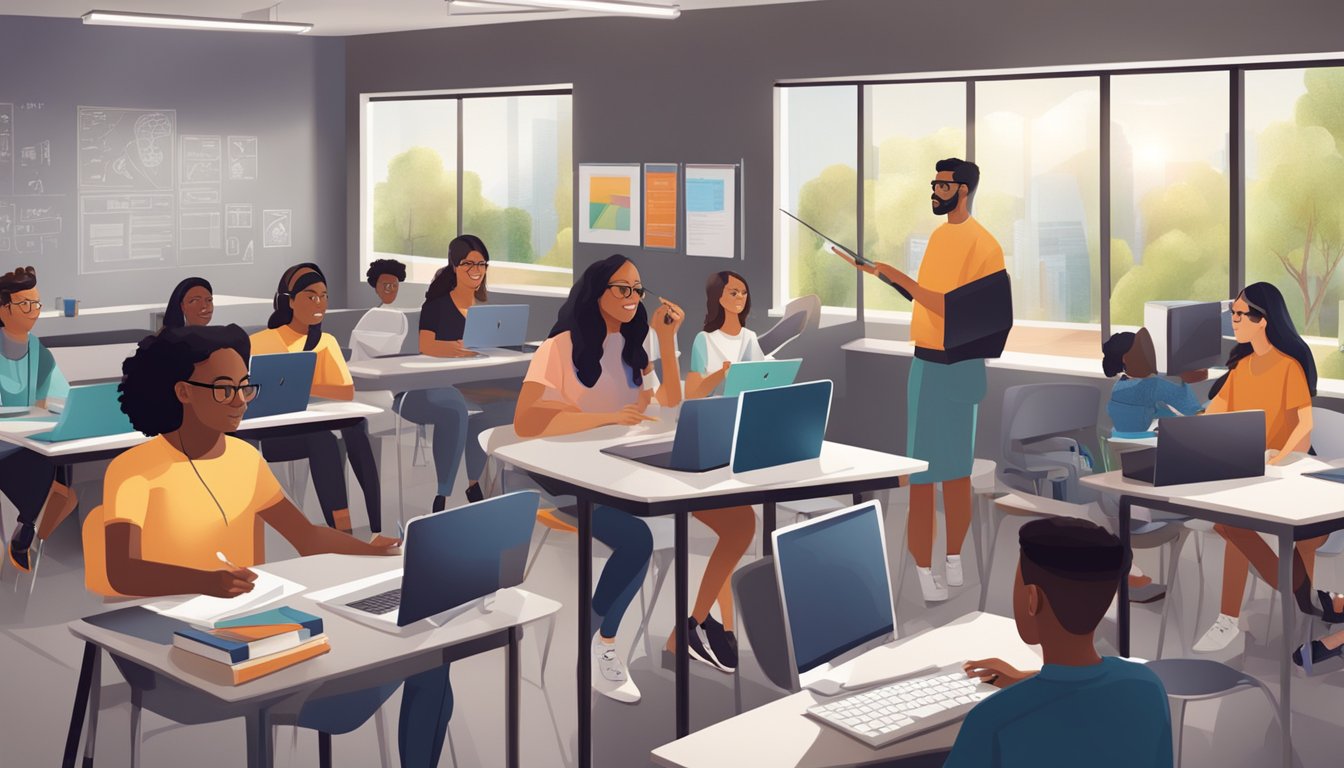
Transforming Tomorrow: The Future of Accounting Education in a Dynamic World
I. Introduction
The landscape of accounting education is undergoing a significant transformation as it adapts to the demands of a rapidly changing world. With advancements in technology, globalization, and evolving regulatory environments, educators must rethink traditional curricula to prepare students for future challenges. This shift necessitates a focus on innovative teaching methods and the integration of new tools that enhance learning outcomes.
As the role of accountants evolves from traditional number-crunching to strategic advisory positions, educational institutions must equip students with a diverse skill set. This includes not only technical proficiency in accounting principles but also competencies in data analytics, critical thinking, and communication. By fostering these skills, accounting programs can ensure graduates are well-prepared to meet the needs of modern businesses.
Furthermore, the incorporation of ethical considerations and sustainability into accounting education is becoming increasingly important. As stakeholders demand greater transparency and accountability, future accountants must be trained to navigate these complexities. Emphasizing ethical frameworks and sustainable practices will help cultivate responsible professionals who can contribute positively to society.
A. Overview of the current state of accounting education
The current state of accounting education is marked by significant challenges, including declining enrollments and a decrease in the number of CPA candidates. Institutions are grappling with the need to modernize curricula to align with the evolving demands of the profession and the job market. This shift is crucial as employers increasingly seek graduates with a blend of technical skills and soft skills.
As technology continues to transform the accounting landscape, educators are tasked with integrating new tools and methodologies into their teaching practices. The rise of automation and data analytics necessitates a curriculum that prepares students not only for traditional accounting roles but also for positions that require advanced technological proficiency. Adapting to these changes is essential for maintaining the relevance of accounting programs.
Moreover, there is a growing emphasis on experiential learning and practical application within accounting education. Programs are increasingly incorporating real-world scenarios, internships, and collaborative projects to enhance students’ readiness for the workforce. This hands-on approach aims to bridge the gap between academic knowledge and practical skills, ensuring that graduates can meet the expectations of employers in a rapidly changing environment.
B. Importance of adapting to changes in the profession
The accounting profession is undergoing significant transformation driven by technological advancements, regulatory changes, and evolving client expectations. As these factors reshape the landscape, it becomes crucial for accounting education to adapt accordingly. This ensures that future professionals are equipped with the necessary skills to thrive in a dynamic environment.
Adapting to changes in the profession is essential not only for the relevance of educational programs but also for the overall growth of the accounting field. Institutions must integrate new technologies and methodologies into their curricula to prepare students for the realities of modern accounting practices. This includes emphasizing data analytics, cybersecurity, and digital reporting tools that are increasingly integral to the profession.
Furthermore, the shift in workforce demographics, particularly the entry of Generation Z, requires a reevaluation of teaching approaches and professional development strategies. Engaging younger professionals through innovative learning experiences and flexible education options can enhance their connection to the profession. By fostering an adaptable mindset, accounting education can cultivate a workforce that is resilient and responsive to ongoing changes.
C. Purpose of the article
The purpose of this article is to explore the evolving landscape of accounting education in response to rapid technological advancements and changing industry demands. As the profession adapts to new tools and methodologies, it is essential to identify the skills and knowledge that future accountants will require. This article aims to provide insights into how educational institutions can effectively prepare students for the challenges and opportunities ahead.
Additionally, the article seeks to highlight the importance of integrating practical experiences and real-world applications into accounting curricula. By emphasizing experiential learning, educators can better equip students with the competencies necessary for success in a dynamic environment. This focus on practical skills will ensure that graduates are not only knowledgeable but also adaptable to the various scenarios they may encounter in their careers.
Finally, the article will discuss the role of collaboration between academic institutions and the accounting profession in shaping the future of accounting education. By fostering partnerships and open communication, both sectors can work together to create a curriculum that meets the evolving needs of the industry. This collaborative approach will ultimately enhance the relevance and effectiveness of accounting education, preparing students for a successful future.
II. The Changing Landscape of Accounting
The accounting profession is undergoing a significant transformation driven by technological advancements and evolving business practices. Automation and artificial intelligence are streamlining traditional accounting tasks, allowing professionals to focus on higher-level analysis and strategic decision-making. As a result, the skill set required for future accountants is shifting from basic bookkeeping to a more analytical and advisory role.
In addition to technological changes, the global business environment is becoming increasingly complex. Accountants are now required to understand international regulations, sustainability practices, and the impact of global markets on financial reporting. This complexity necessitates a broader educational framework that incorporates diverse subjects such as ethics, data analytics, and international business.
Moreover, the rise of remote work and digital collaboration tools has altered how accounting professionals interact with clients and colleagues. Flexibility and adaptability have become essential qualities for accountants, as they navigate a landscape that is more interconnected than ever. Accounting education must therefore emphasize not only technical skills but also soft skills like communication and teamwork to prepare students for this new reality.
A. Technological advancements
As the landscape of accounting education evolves, technological advancements play a crucial role in shaping the curriculum and teaching methodologies. The integration of artificial intelligence, machine learning, and data analytics into accounting practices is redefining how students learn and apply their skills in real-world scenarios.
Online learning platforms and digital resources are making accounting education more accessible than ever. Students can now engage with interactive simulations and virtual classrooms, allowing them to gain practical experience without the constraints of traditional classroom settings.
Moreover, the rise of blockchain technology is transforming the way transactions are recorded and verified, necessitating a shift in educational focus. Future accountants must be equipped with the knowledge of these emerging technologies to remain competitive in a rapidly changing job market.
1. Automation and artificial intelligence
Automation and artificial intelligence (AI) are transforming the landscape of accounting education by reshaping the skills required for future professionals. As routine tasks become increasingly automated, educators must focus on developing critical thinking, analytical skills, and adaptability among students. This shift ensures that graduates are equipped to thrive in a technology-driven environment.
AI technologies are enhancing the learning experience by providing personalized educational tools that cater to individual student needs. These tools can analyze performance data and offer tailored resources, allowing students to learn at their own pace. Consequently, accounting programs can evolve to incorporate more practical applications of AI, preparing students for real-world challenges.
Moreover, the integration of AI in accounting practices necessitates a curriculum that emphasizes ethical considerations and the implications of technology in financial decision-making. Educators must instill a strong understanding of how to leverage AI responsibly, ensuring that future accountants can navigate the complexities of automation while maintaining integrity in their work.
2. Cloud computing and data analytics
As the accounting profession evolves, cloud computing has become a vital component of modern accounting education. It allows students to access real-time financial data and collaborate seamlessly with peers and instructors, fostering a more interactive learning environment. This shift enables future accountants to develop essential skills in using cloud-based tools that are increasingly prevalent in the industry.
Data analytics is another critical area that accounting education must address to prepare students for the future. By integrating data analysis into the curriculum, educational institutions can equip students with the ability to interpret complex datasets and derive meaningful insights. This competency is essential for making informed business decisions and enhancing the strategic role of accountants in organizations.
The combination of cloud computing and data analytics not only enhances the learning experience but also reflects the demands of the job market. Employers are seeking graduates who are proficient in these technologies, as they contribute to greater efficiency and accuracy in financial reporting and analysis. As such, accounting programs must adapt their curricula to include these essential skills, ensuring that students are well-prepared for the challenges of a rapidly changing world.
B. Regulatory changes
Regulatory changes are significantly shaping the future of accounting education, necessitating a curriculum that is responsive to evolving standards and practices. As accounting regulations become more complex, educational institutions must ensure that their programs equip students with the knowledge and skills to navigate these changes effectively.
One key area of focus is the adaptation of the CPA licensure process. Recent shifts in licensure requirements, including the potential for extended testing windows and modifications to educational prerequisites, are prompting schools to rethink their accounting programs. This evolution aims to enhance accessibility and relevance, helping to attract a more diverse pool of candidates into the profession.
Moreover, the integration of technology and data analytics into regulatory frameworks is driving changes in accounting education. As firms increasingly rely on advanced technologies for compliance and reporting, educational institutions must incorporate these tools into their curricula. This approach not only prepares students for the current job market but also ensures they remain adaptable to future regulatory developments.
1. Evolving standards and compliance requirements
The landscape of accounting is continually shaped by evolving standards and compliance requirements, necessitating a dynamic approach to education. As regulatory bodies update guidelines to address new financial practices and technologies, accounting programs must adapt their curricula to ensure students are well-versed in the latest standards. This shift is crucial for preparing future accountants to navigate complex compliance landscapes effectively.
Moreover, the increasing globalization of business requires accounting professionals to understand international standards such as IFRS (International Financial Reporting Standards). Accounting education must incorporate these global perspectives to equip students with the skills needed to work in diverse environments and comply with varying regulations across jurisdictions. This international focus will enhance the employability of graduates in an interconnected economy.
Additionally, the rise of technology in accounting practices has led to the emergence of new compliance challenges, particularly in areas like data security and privacy. Accounting education must now include training on these technological aspects, ensuring that future professionals are not only compliant with current standards but also proactive in anticipating and addressing future regulatory changes. By integrating these elements, educational institutions can better prepare students for the evolving demands of the profession.
2. Impact of globalization
Globalization has significantly transformed the landscape of accounting education, necessitating a curriculum that reflects international standards and practices. As businesses operate across borders, accounting professionals are increasingly required to understand diverse regulatory environments and financial reporting frameworks. This shift emphasizes the need for educational institutions to integrate global accounting principles into their programs.
Moreover, the rise of technology and digital platforms in a globalized economy has changed how accounting is practiced and taught. Students must now be proficient in various accounting software and tools that facilitate real-time financial analysis and reporting. Consequently, accounting education must adapt by incorporating technology training alongside traditional accounting principles to prepare students for the demands of the global market.
Additionally, globalization has led to an increase in collaboration and communication among accounting professionals worldwide. This interconnectedness highlights the importance of soft skills, such as cultural awareness and ethical considerations, in accounting education. Preparing students to navigate these complexities is essential for fostering a new generation of accountants who can thrive in a diverse and dynamic global environment.
C. Shifting job market demands
The accounting profession is undergoing significant transformation driven by technological advancements and evolving business needs. As automation and artificial intelligence take on routine tasks, the demand for traditional accounting skills is diminishing. Instead, employers are seeking professionals who can interpret data, provide strategic insights, and adapt to new technologies.
Furthermore, the rise of remote work and global business operations has reshaped the skill set required in accounting education. Future accountants must be proficient in digital collaboration tools and possess strong communication skills to work effectively in diverse teams. This shift necessitates a curriculum that emphasizes both technical knowledge and soft skills, preparing graduates for a dynamic workplace.
Additionally, as businesses increasingly focus on sustainability and ethical practices, accountants are expected to play a vital role in these areas. The integration of environmental, social, and governance (ESG) criteria into financial reporting is becoming more prevalent. Accounting education must therefore evolve to include these topics, equipping students with the knowledge to meet emerging market demands.
1. Skills required for modern accountants
The landscape of accounting is evolving rapidly, necessitating a shift in the skill sets required for modern accountants. In addition to traditional accounting knowledge, professionals must now be proficient in advanced accounting software and data analytics tools. This technological proficiency enables accountants to streamline processes and provide more insightful financial analysis.
Moreover, soft skills have become increasingly important in the accounting profession. Effective communication and collaboration skills are essential for accountants to convey complex financial information clearly to clients and stakeholders. As accountants often work in teams and engage directly with clients, the ability to build strong relationships is crucial for success.
Critical thinking and problem-solving capabilities are also vital for modern accountants. As the industry faces new challenges and regulations, accountants must be able to analyze data critically and devise strategic solutions. This adaptability will ensure that they remain relevant and can guide organizations through financial complexities in a changing world.
Finally, a commitment to continuous learning is essential for accountants. The accounting field is subject to constant changes in legislation and technology, making it imperative for professionals to stay updated with current trends and best practices. Embracing lifelong learning will empower accountants to thrive in an increasingly dynamic environment.
2. Emerging roles in accounting
As the accounting landscape evolves, new roles are emerging that reflect the changing needs of businesses and the integration of technology. Traditional accounting functions are increasingly being supplemented by positions focused on data analytics, forensic accounting, and advisory services. These roles require professionals to not only have a strong grasp of accounting principles but also to be adept at interpreting complex data and providing strategic insights.
The rise of automation and artificial intelligence is reshaping job descriptions within the accounting profession. Accountants are now expected to leverage technology to enhance efficiency and accuracy in financial reporting and compliance. This shift necessitates a focus on continuous learning and skill development, as professionals must stay abreast of technological advancements and their implications for financial practices.
Moreover, the growing emphasis on sustainability and corporate social responsibility is creating opportunities for accountants to engage in environmental, social, and governance (ESG) reporting. Accountants are increasingly being called upon to ensure transparency and accountability in these areas, which requires a blend of traditional accounting skills and a deep understanding of sustainability metrics. This trend highlights the need for accounting education programs to adapt their curricula to prepare future professionals for these emerging roles.
III. Challenges Facing Accounting Education
The landscape of accounting education is rapidly evolving, presenting several challenges that institutions must address. One significant challenge is the integration of technology into the curriculum. As automation and artificial intelligence reshape the profession, educators must ensure that students are equipped with the necessary skills to thrive in a tech-driven environment.
Another challenge is the need for a more interdisciplinary approach to accounting education. As businesses become increasingly complex, accounting professionals must possess knowledge beyond traditional accounting principles, including areas such as data analytics, finance, and business strategy. This shift requires a reevaluation of existing curricula to incorporate broader learning outcomes.
Additionally, the demand for accounting professionals is changing, leading to a skills gap in the workforce. Employers are seeking graduates who not only have technical accounting skills but also strong analytical and communication abilities. Accounting programs must adapt to these evolving employer expectations to better prepare students for successful careers in the field.
A. Traditional curriculum limitations
Traditional accounting curricula often emphasize rote memorization of rules and procedures, which may not adequately prepare students for the complexities of modern financial environments. As the accounting landscape evolves with technology and globalization, a curriculum focused solely on historical practices can leave graduates ill-equipped to tackle contemporary challenges.
Moreover, traditional programs typically prioritize theoretical knowledge over practical application, leading to a disconnect between academic learning and real-world scenarios. This gap can hinder students’ abilities to adapt to new tools and methodologies that are increasingly vital in the accounting profession.
Additionally, the lack of emphasis on soft skills, such as communication and critical thinking, in traditional curricula poses a significant limitation. As accountants are expected to take on advisory roles and engage with clients, the ability to convey complex information clearly and collaborate effectively becomes essential for success in the field.
B. Resistance to change within educational institutions
Resistance to change is a significant barrier in the evolution of accounting education, as many institutions cling to traditional methods and curricula. This reluctance often stems from a deeply embedded culture within higher education that prioritizes established practices over innovation. As the accounting profession faces rapid technological advancements and shifting societal needs, the inability to adapt can leave graduates ill-prepared for the modern workforce.
Many accounting educators are hesitant to restructure their curricula, which can hinder the development of essential skills needed in today’s business environment. This resistance is not only a challenge for faculty but also impacts students who require a more dynamic and relevant education. To address these issues, institutions must cultivate an environment that encourages innovation and embraces change, ensuring that accounting programs remain aligned with industry demands.
Moreover, the integration of technology into accounting education is often met with skepticism, as faculty may fear the implications of new teaching methodologies. Continuous professional development and training are essential to help educators overcome these barriers and become advocates for change. By fostering a culture of adaptability, educational institutions can better prepare students for the evolving landscape of the accounting profession.
C. Balancing theoretical knowledge with practical skills
As the accounting profession evolves, there is an increasing need to balance theoretical knowledge with practical skills in accounting education. Traditional curricula often emphasize theoretical frameworks, which can leave students unprepared for the realities of the workplace. To address this gap, educational programs must integrate experiential learning opportunities that allow students to apply their knowledge in real-world scenarios.
Incorporating practical experiences, such as internships and case studies, can significantly enhance students’ understanding of accounting principles. Research indicates that students perceive a lack of essential skills, such as critical thinking and problem-solving, in their education. By bridging the gap between theory and practice, accounting programs can better prepare graduates for the complexities of the modern business environment.
Moreover, fostering soft skills alongside technical competencies is crucial for future accountants. Employers increasingly seek candidates who can communicate effectively, work collaboratively, and adapt to changing circumstances. By emphasizing these skills within the curriculum, accounting education can produce well-rounded professionals ready to meet the demands of a dynamic field.
IV. Innovative Approaches to Accounting Education
As the accounting profession evolves, innovative approaches to accounting education are essential for preparing future professionals. Integrating technology-focused coursework is one strategy that can enhance students’ understanding of modern accounting practices. By incorporating tools such as business intelligence (BI), educational programs can provide students with hands-on experience that reflects the realities of the industry.
Moreover, reimagining accounting education involves fostering skills that go beyond traditional accounting principles. Emphasizing resilience, adaptability, and innovation prepares students to navigate the complexities of a rapidly changing business environment. This holistic approach ensures that graduates are not only technically proficient but also equipped to contribute meaningfully to their organizations.
Collaboration with industry stakeholders is another innovative approach that can bridge the gap between education and practice. By engaging with professionals, educational institutions can tailor curricula to meet current demands and emerging trends in the field. This alignment not only enhances the relevance of accounting programs but also helps students develop the necessary competencies for future success.
A. Incorporating technology into the curriculum
As the accounting profession evolves, integrating technology into the curriculum has become essential for preparing future professionals. Modern accounting education must leverage tools such as business intelligence (BI) software and data analytics to enhance the learning experience. This shift not only makes the curriculum more relevant but also ensures that students are equipped with the skills needed in a technology-driven workplace.
One effective approach is to incorporate hands-on training with current technologies, allowing students to gain practical experience. For instance, using interactive software and blockchain simulations can help students understand complex concepts in a real-world context. By engaging with these tools, learners can develop a deeper understanding of how technology impacts accounting practices.
Moreover, collaboration and interdisciplinary learning should be promoted within the curriculum. By working on projects that require input from various fields, students can appreciate the broader implications of accounting in business. This approach fosters critical thinking and adaptability, traits that are crucial in a rapidly changing environment.
1. Use of simulation and real-world case studies
The integration of simulation and real-world case studies in accounting education is essential for preparing students for the complexities of the modern business environment. By utilizing business simulations, students can engage in experiential learning that mirrors actual accounting scenarios, allowing them to apply theoretical knowledge in practical settings. This hands-on approach not only enhances understanding but also builds critical thinking and problem-solving skills.
Moreover, real-world case studies provide students with insights into current industry practices and challenges. Analyzing these cases encourages students to think critically about decision-making processes and the implications of their choices. This exposure to real-life situations fosters a deeper understanding of the ethical and practical considerations that accountants face in their careers.
2. Online learning and flexible course offerings
As the landscape of accounting education evolves, online learning has emerged as a pivotal component, offering unprecedented flexibility for students. This mode of education allows learners to access coursework from anywhere, accommodating diverse schedules and personal commitments. With the rise of digital platforms, students can now tailor their educational experiences to fit their individual needs, promoting a more personalized approach to learning.
The flexibility of online courses enables institutions to reach a broader audience, breaking down geographical barriers that traditionally limited access to quality education. Students can choose from a variety of programs and specializations, ensuring that they receive training that aligns with their career goals. This adaptability is particularly crucial in a rapidly changing job market where specific skills and knowledge are in high demand.
Moreover, online learning fosters an environment of continuous engagement and collaboration among students and instructors. Many programs incorporate interactive elements, such as discussion forums and virtual group projects, which enhance the learning experience. As accounting practices become increasingly digitized, these online platforms prepare students to thrive in a technology-driven world, equipping them with the necessary tools to succeed in their future careers.
B. Emphasizing soft skills development
As the accounting profession evolves in a rapidly changing world, the importance of soft skills development cannot be overstated. While technical proficiency remains essential, the ability to communicate effectively, collaborate with teams, and adapt to new challenges is becoming increasingly critical. Accounting educators must prioritize these skills to prepare students for the dynamic nature of the industry.
Soft skills such as emotional intelligence, critical thinking, and problem-solving are vital for fostering strong client relationships and navigating complex business environments. By integrating these competencies into the curriculum, accounting programs can equip students with the tools necessary to thrive in diverse workplace settings. This holistic approach to education will not only enhance individual career prospects but also contribute to the overall success of organizations.
Furthermore, the rise of technology in accounting underscores the need for professionals who can bridge the gap between technical and interpersonal skills. As automation takes over routine tasks, the human element of accountingâ??such as ethical decision-making and client interactionâ??becomes even more important. By emphasizing soft skills development, accounting education can create well-rounded professionals who are prepared to meet the challenges of the future.
1. Communication and teamwork
In the evolving landscape of accounting education, effective communication and teamwork are becoming essential skills for future professionals. As the industry embraces technology and automation, accountants must collaborate with diverse teams to interpret data and provide strategic insights. This shift emphasizes the need for educational programs to incorporate collaborative projects and communication training into their curricula.
Moreover, the rise of remote work and global teams necessitates that accounting students develop strong interpersonal skills. Being able to convey complex financial information clearly and concisely will enhance teamwork and decision-making processes. Educators must focus on fostering an environment that encourages students to engage in discussions, share ideas, and learn from one another.
As the accounting profession continues to adapt to changing regulations and technologies, teamwork will play a crucial role in navigating these challenges. Future accountants will need to work alongside professionals from various disciplines, integrating their expertise to solve complex problems. Therefore, accounting education must prioritize group work and collaborative learning experiences to prepare students for the realities of the modern workplace.
2. Critical thinking and problem-solving
In the evolving landscape of accounting education, the integration of critical thinking and problem-solving skills is essential for preparing students to navigate complex financial environments. As the profession faces rapid technological advancements and regulatory changes, educators must emphasize these skills to ensure that future accountants can analyze and interpret data effectively.
Critical thinking enables accounting students to evaluate information critically, fostering a deeper understanding of financial concepts and ethical considerations. By encouraging students to question assumptions and assess evidence, accounting programs can cultivate a mindset that prioritizes sound judgment and analytical reasoning in decision-making processes.
Moreover, problem-solving skills are increasingly vital as accountants are called to address multifaceted challenges in real-time. Engaging students in case studies and practical scenarios can enhance their ability to devise innovative solutions, thereby equipping them for the dynamic demands of the accounting profession in a changing world.
V. Collaboration Between Academia and Industry
As the landscape of accounting education evolves, the collaboration between academia and industry becomes increasingly vital. These partnerships enable educational institutions to align their curricula with the practical needs of the profession, ensuring that students acquire relevant skills and knowledge. By integrating real-world scenarios into academic programs, institutions can better prepare graduates for the challenges they will face in their careers.
Industry collaboration also provides invaluable insights that can enhance research and teaching methodologies. Engaging with practitioners allows educators to stay abreast of emerging trends and technologies, which can then be incorporated into the classroom. This synergy not only enriches the learning experience but also fosters innovation in teaching practices, making accounting education more dynamic and responsive to market demands.
Furthermore, partnerships with industry can facilitate experiential learning opportunities, such as internships and case studies, which are crucial for student development. These experiences allow students to apply theoretical concepts in practical settings, bridging the gap between academic learning and professional practice. Ultimately, such collaborations contribute to producing well-rounded graduates who are equipped to thrive in a rapidly changing accounting environment.
A. Importance of partnerships for curriculum relevance
In the rapidly evolving landscape of accounting education, partnerships between educational institutions and industry stakeholders are crucial for maintaining curriculum relevance. These collaborations allow educators to align their teaching with current industry practices, ensuring that students acquire the skills and knowledge necessary to thrive in a competitive job market.
By engaging with businesses, accounting programs can integrate real-world scenarios into their curricula, enhancing the learning experience. This approach not only makes the content more applicable but also prepares students for the challenges they will face in their professional careers, fostering a deeper understanding of the practical implications of accounting principles.
Furthermore, partnerships facilitate the sharing of resources and expertise, enabling institutions to stay updated with technological advancements and regulatory changes. As the accounting profession continues to adapt to new technologies and global standards, these collaborations are essential for producing graduates who are not only knowledgeable but also adaptable to future developments in the field.
B. Internship and mentorship programs
As the accounting profession evolves, internship and mentorship programs are becoming essential components of accounting education. These programs provide students with hands-on experience, allowing them to apply theoretical knowledge in real-world settings. By engaging with professionals, students can gain insights into industry practices and develop essential skills that are not typically covered in traditional classroom environments.
Mentorship programs further enrich the educational experience by connecting students with experienced professionals who can offer guidance and support. Such relationships foster networking opportunities and help students navigate the complexities of the accounting field. Mentors can share valuable advice on career paths, industry trends, and the importance of continuous learning in a rapidly changing landscape.
Moreover, internships serve as a bridge between academia and the workforce, enhancing employability for graduates. Employers increasingly seek candidates with practical experience, making internships a critical aspect of a comprehensive accounting education. By prioritizing these programs, educational institutions can better prepare students for successful careers in accounting, ensuring they are equipped to meet future challenges.
C. Continuous feedback from industry professionals
As the accounting profession evolves, continuous feedback from industry professionals becomes essential for shaping accounting education. Engaging with practitioners allows educational institutions to align their curricula with the current demands of the workforce. This collaboration ensures that students acquire relevant skills and knowledge that reflect real-world practices.
Industry professionals can provide insights into emerging trends, technologies, and regulatory changes that impact accounting. By incorporating this feedback, educators can update course content and teaching methodologies to better prepare students for the challenges they will face in their careers. This dynamic approach fosters a more responsive educational environment that meets the needs of both students and employers.
Moreover, establishing strong partnerships between academia and the accounting industry can facilitate internship opportunities and experiential learning. These connections not only enhance students’ practical skills but also allow them to build professional networks that are crucial for career advancement. Ultimately, continuous feedback from industry professionals plays a vital role in ensuring that accounting education remains relevant and effective in a rapidly changing world.
VI. The Role of Professional Organizations
Professional organizations play a crucial role in shaping the future of accounting education by providing guidance on curriculum development and best practices. They help ensure that educational programs align with the evolving needs of the industry, emphasizing the importance of technical skills and ethical standards. By collaborating with educational institutions, these organizations can facilitate the integration of new technologies and methodologies into accounting curricula.
Moreover, professional organizations are instrumental in promoting continuous education and professional development among accountants. They offer resources, training, and certification programs that help practitioners stay current with industry trends and regulatory changes. This commitment to lifelong learning is essential in a rapidly changing environment where new accounting practices and technologies emerge regularly.
In addition to educational support, professional organizations advocate for the profession and its members, influencing policy decisions that impact the accounting field. They engage with stakeholders, including government bodies and businesses, to address challenges and promote the value of accounting professionals. This advocacy is vital for ensuring that the profession adapts effectively to changes in the business landscape.
A. Supporting ongoing education and training
As the accounting profession continues to evolve, ongoing education and training have become essential for professionals to stay relevant. The rapid advancement of technology, including automation and artificial intelligence, is reshaping traditional accounting practices. To thrive in this changing landscape, accountants must engage in lifelong learning to enhance their skills and adapt to new tools and methodologies.
Educational institutions play a crucial role in supporting ongoing training by offering flexible programs that cater to working professionals. Online courses, workshops, and certifications can provide accountants with the opportunity to learn at their own pace while balancing their professional responsibilities. This accessibility ensures that all accountants, regardless of their stage in their careers, can update their knowledge and skills effectively.
Furthermore, collaboration between educational institutions and industry leaders can foster relevant training programs that address current market needs. By aligning curriculum with real-world challenges, educators can prepare students and professionals for the complexities of modern accounting. This partnership not only enhances the educational experience but also ensures that graduates are equipped with the competencies required to succeed in a dynamic business environment.
B. Providing resources for educators and students
As the accounting profession evolves, it is crucial to equip educators and students with the necessary resources to adapt to these changes. This includes access to updated curricula that reflect current industry practices and technological advancements. By integrating modern tools and methodologies into accounting education, institutions can better prepare students for the demands of the workforce.
In addition to updated curricula, providing professional development resources for educators is essential. Workshops, online courses, and collaborative platforms enable instructors to enhance their teaching methods and stay informed about emerging trends in accounting. This continuous professional growth ultimately benefits students, as they receive instruction from knowledgeable and engaged educators.
Furthermore, creating partnerships between educational institutions and industry leaders can enhance the learning experience. These collaborations can result in internships, guest lectures, and real-world case studies that bridge the gap between theory and practice. By fostering these connections, students gain invaluable insights into the accounting field and develop skills that are directly applicable to their future careers.
C. Promoting ethical standards and practices
As the accounting profession evolves in response to technological advancements and global challenges, promoting ethical standards and practices becomes increasingly vital. Future accounting education must prioritize ethics, ensuring that students understand the importance of integrity, transparency, and accountability in their work. This focus will help prepare them to navigate complex ethical dilemmas they may encounter in their careers.
Incorporating ethics into the curriculum can take various forms, including case studies, discussions on real-world scenarios, and the integration of ethical decision-making frameworks. By engaging students in these practices, educational institutions can foster a culture of ethical awareness and responsibility. This approach not only enhances students’ critical thinking skills but also prepares them to uphold the profession’s standards in a rapidly changing environment.
Furthermore, collaboration between educational institutions, professional organizations, and industry stakeholders is essential in promoting ethical practices. Such partnerships can lead to the development of comprehensive ethics programs that reflect current challenges and expectations in the accounting field. By working together, these entities can ensure that future accountants are equipped with the knowledge and skills necessary to maintain high ethical standards throughout their careers.
VII. Future Trends in Accounting Education
The landscape of accounting education is evolving rapidly, driven by technological advancements and changing industry demands. Institutions are increasingly integrating technology-focused coursework, such as data analytics and blockchain, into their curricula to prepare students for modern accounting challenges. This shift not only enhances technical skills but also fosters a deeper understanding of emerging tools that are reshaping the profession.
Another significant trend is the emphasis on soft skills and critical thinking. As the role of accountants expands beyond traditional number-crunching to include strategic advisory functions, educators are focusing on developing communication, teamwork, and problem-solving abilities. This holistic approach ensures that future accountants can effectively collaborate and provide valuable insights in diverse business environments.
Additionally, the globalization of business necessitates a curriculum that reflects international accounting standards and practices. As companies operate across borders, accounting education must equip students with the knowledge of global regulations and cultural nuances. This preparation will enable graduates to navigate complex international landscapes and enhance their employability in a competitive job market.
A. Lifelong learning and continuous professional development
Lifelong learning and continuous professional development are essential components in the evolving landscape of accounting education. As the profession faces rapid technological advancements and changing regulatory environments, accounting professionals must remain adaptable and informed. This commitment to ongoing education ensures that they can effectively navigate new challenges and leverage emerging opportunities.
Incorporating lifelong learning into accounting curricula prepares students for a dynamic workforce. Educational institutions must emphasize the importance of self-directed learning and critical thinking skills, enabling future accountants to stay relevant throughout their careers. This approach fosters a culture of curiosity and resilience, essential traits for success in a constantly changing field.
Moreover, continuous professional development can take various forms, including workshops, online courses, and industry conferences. These opportunities not only enhance technical skills but also promote networking and collaboration among professionals. By prioritizing lifelong learning, accountants can contribute to their organizations’ growth while ensuring their personal and professional advancement.
B. The rise of interdisciplinary approaches
The landscape of accounting education is undergoing a significant transformation, driven by the increasing complexity of global business environments. As traditional boundaries between disciplines blur, interdisciplinary approaches are becoming essential for preparing future accountants. This shift enables students to integrate knowledge from various fields such as technology, economics, and social sciences, fostering a more holistic understanding of accounting practices.
Interdisciplinary education encourages collaboration among different academic departments, allowing students to tackle real-world problems from multiple perspectives. For instance, incorporating insights from data analytics and behavioral finance can enhance students’ ability to interpret financial information and understand its impact on decision-making. This comprehensive skill set is crucial in a rapidly evolving job market where adaptability and innovative thinking are paramount.
Moreover, the rise of interdisciplinary approaches in accounting education aligns with the demands of employers seeking professionals who can navigate complex challenges. By embracing diverse methodologies and viewpoints, educational institutions can cultivate a new generation of accountants who are not only technically proficient but also adept at strategic thinking and problem-solving. This evolution in teaching practices will ultimately contribute to the resilience and relevance of the accounting profession in a changing world.
C. Global perspectives in accounting education
As the landscape of accounting continues to evolve, global perspectives in accounting education are becoming increasingly vital. Institutions must consider diverse educational practices and curricula that reflect the international nature of business and finance. This global approach not only enriches the learning experience but also prepares students to operate effectively in a multicultural environment.
In response to rapid technological advancements and globalization, accounting education must adapt to incorporate new tools and methodologies. The integration of digital technologies into the curriculum is essential for equipping future accountants with the skills needed in a digital economy. This shift towards a more technology-driven education model highlights the importance of continuous learning and adaptability in the profession.
Furthermore, fostering collaboration among educational institutions worldwide can enhance the quality of accounting education. By sharing best practices and innovative teaching methods, educators can create a more robust framework that addresses the challenges faced by the profession globally. This collaborative spirit will contribute to developing a more competent and versatile workforce ready to tackle the complexities of modern accounting.
VIII. Conclusion
The future of accounting education is poised for significant transformation as it adapts to the evolving demands of the global economy. With rapid advancements in technology, traditional teaching methods must be re-evaluated to incorporate digital tools and data analytics. This shift will not only enhance the learning experience but also better prepare students for the complexities of modern accounting practices.
Moreover, the integration of soft skills into the curriculum is becoming increasingly important. As accountants are expected to take on more advisory roles, skills such as communication, critical thinking, and ethical decision-making will be essential. By fostering these competencies alongside technical knowledge, educational institutions can produce well-rounded professionals equipped to navigate the challenges of the future.
Finally, collaboration between academia and industry will be crucial in shaping the future of accounting education. Establishing partnerships can facilitate internships, real-world projects, and curriculum development that reflect current industry needs. By bridging the gap between theoretical knowledge and practical application, accounting programs can ensure that graduates are not only knowledgeable but also ready to contribute effectively in their roles.
A. Summary of key points
The future of accounting education is increasingly focused on integrating technology and data analytics into the curriculum. As the profession evolves, educators must equip students with the skills necessary to navigate advanced accounting software and data management tools. This shift highlights the importance of practical experience alongside theoretical knowledge.
Moreover, the demand for soft skills such as communication, critical thinking, and ethical judgment is rising. Accounting professionals are expected to collaborate effectively with clients and stakeholders, making these interpersonal skills essential components of accounting education. Programs must adapt to include training that fosters these abilities.
Additionally, the global nature of business requires a more diverse and inclusive approach to accounting education. Understanding international regulations and cultural differences is crucial for future accountants. Institutions must embrace a global perspective to prepare students for a dynamic and interconnected marketplace.
B. Call to action for educators, students, and professionals
As the landscape of accounting continues to evolve with technological advancements and regulatory changes, educators must embrace innovative teaching methods that incorporate real-world applications. This includes integrating data analytics, artificial intelligence, and sustainability practices into the curriculum, ensuring that students are equipped with the skills necessary for the future job market. Collaboration with industry professionals can also enhance the relevance and effectiveness of accounting education.
Students are encouraged to take an active role in their learning by seeking out opportunities for experiential education, such as internships and hands-on projects. Engaging with emerging technologies and staying informed about industry trends will not only deepen their understanding but also enhance their employability. Networking with professionals and participating in relevant workshops can further bridge the gap between academic knowledge and practical application.
Professionals in the accounting field should commit to lifelong learning and mentoring the next generation of accountants. By sharing their insights and experiences, they can provide valuable guidance to students and recent graduates. Additionally, professionals should advocate for the continuous evolution of accounting education, ensuring that it meets the demands of a rapidly changing world and prepares future leaders in the profession.
C. Vision for the future of accounting education
The future of accounting education must embrace the rapid changes in technology and the evolving needs of the business environment. As automation and artificial intelligence reshape the profession, accounting programs should integrate these technologies into their curricula to equip students with the necessary skills. This adaptation will ensure that graduates are prepared for a landscape where traditional accounting tasks are increasingly performed by machines.
Moreover, a strong emphasis on critical thinking and problem-solving will be vital in accounting education. As the role of accountants shifts towards advisory and strategic functions, educational institutions should focus on developing soft skills alongside technical knowledge. This holistic approach will help future accountants navigate complex business challenges and provide valuable insights to organizations.
Diversity and inclusion in accounting education are also essential for fostering innovation and reflecting the global marketplace. By encouraging diverse perspectives and backgrounds within accounting programs, institutions can cultivate a richer learning environment. This commitment to diversity will not only enhance the educational experience but also prepare students to work effectively in diverse teams and serve a broad range of clients.
Frequently Asked Questions
What is the current state of accounting education?
The current state of accounting education is evolving rapidly due to technological advancements, regulatory changes, and shifting job market demands. Traditional methods are being challenged as the profession requires new skills and knowledge to keep pace with these changes.
Why is it important for accounting education to adapt to changes in the profession?
Adapting to changes in the profession is crucial for ensuring that graduates possess the relevant skills and knowledge needed in a dynamic job market. This adaptation helps prepare students for emerging roles and keeps educational programs aligned with industry standards.
What technological advancements are impacting accounting education?
Technological advancements such as automation, artificial intelligence, cloud computing, and data analytics are significantly impacting accounting education. These technologies require new teaching methods and curricula that focus on digital skills and data management.
What challenges does accounting education face today?
Accounting education faces several challenges, including limitations of traditional curricula, resistance to change within educational institutions, and the need to balance theoretical knowledge with practical skills that are essential for modern accountants.
How can accounting education incorporate innovative approaches?
Innovative approaches can include incorporating technology into the curriculum through simulations and real-world case studies, as well as offering online learning and flexible course options. Emphasizing soft skills such as communication, teamwork, and critical thinking is also essential.
What is the role of collaboration between academia and industry in accounting education?
Collaboration between academia and industry is vital for ensuring curriculum relevance. Partnerships can facilitate internship and mentorship programs, providing students with practical experience and continuous feedback from industry professionals to enhance their learning.
How do professional organizations support accounting education?
Professional organizations support accounting education by providing ongoing education and training opportunities, resources for educators and students, and promoting ethical standards and practices within the profession.
What future trends are expected in accounting education?
Future trends in accounting education include a focus on lifelong learning and continuous professional development, the rise of interdisciplinary approaches that integrate various fields, and the incorporation of global perspectives to prepare students for an interconnected world.
What can educators, students, and professionals do to improve accounting education?
Educators, students, and professionals can work together to foster an environment of continuous improvement by embracing change, seeking feedback, and advocating for curricula that reflect the evolving needs of the accounting profession.

Leave a Reply to Lucy (Tekaingoa). Baati Cancel reply