
The Role of Automation in High-Volume Retail
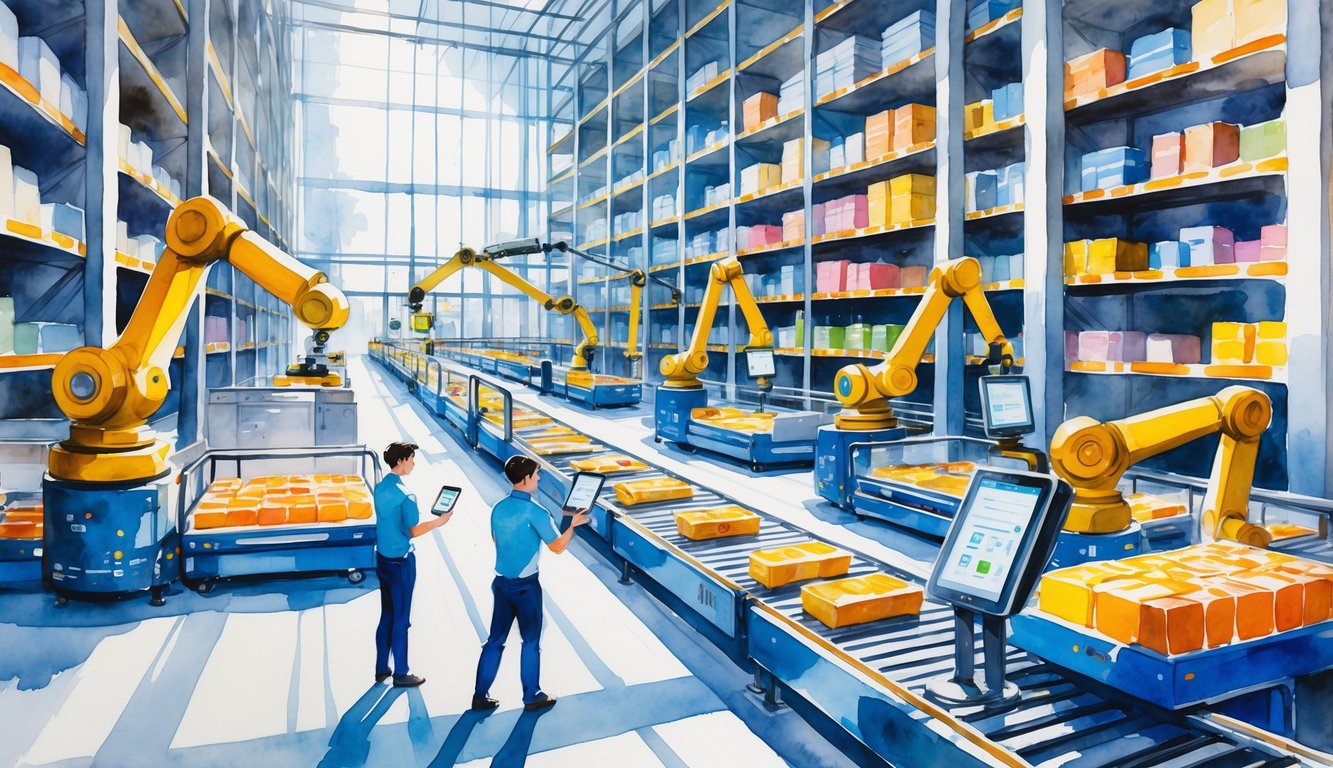
Large retailers use automation to improve speed, accuracy, and cost control. Advanced technology helps them handle massive product flows and meet customer demand.
Automation creates smoother operations by using tools tailored to business goals and changing markets.
Defining Automation for Retailers
In retail, automation means machines, software, or AI handle tasks without constant human help. This covers inventory tracking, checkout, order fulfillment, and customer support.
High-volume retailers use automation to manage large quantities efficiently. Automation reduces errors, speeds up tasks, and cuts labor costs.
It improves customer experience by making services faster and more reliable. Examples include warehouse robots, AI chatbots, and automated payment systems.
These tools help retailers meet high demand and reduce manual work.
Evolution of Automation Technologies
Retailers first used simple machines and barcode scanning. Over time, they adopted AI and data analytics to make smarter decisions.
Now, AI predicts stock needs, personalizes marketing, and prevents fraud. Robotics and autonomous vehicles speed up delivery and stock management.
Cloud computing and connected devices allow real-time monitoring and adaptability. This lets retailers scale operations at lower cost while keeping quality high.
Aligning Automation With Business Strategies
Retailers match technology with business goals to make automation work. High-volume operations need solutions that boost efficiency, lower costs, and keep products available.
Automated systems support inventory accuracy, faster shipping, and better customer data security. Retailers also integrate automation with existing platforms to avoid disruptions.
They often test technology in one area before rolling it out fully. Clear goals, like reducing checkout time or improving stock turnover, guide technology choices.
Key Benefits of Automation for Retail Operations
Automation helps retailers run daily tasks better, handle growth, and increase profits. It reduces errors, manages more customers, and controls costs—key for high-volume retailers.
Operational Efficiency Gains
Automation handles repetitive tasks like inventory tracking, order processing, and data entry quickly and accurately. This lowers human error, which can cause delays or losses.
Retailers fulfill orders faster and avoid mistakes that slow operations. Tools like automated checkout, stock management software, and robotic process automation improve workflow.
These technologies free staff to focus on customer service or important tasks.
Improved efficiency means stores serve more customers with the same or fewer resources.
Scalability for Growth
Automation lets retailers grow without needing many more staff or higher costs. Scalable systems handle more orders, customers, and products as the business expands.
For example, automated warehouses and digital payment solutions support higher volumes with no slowdown. As sales rise, automated tools make it easier to add new locations or online stores.
Retailers can scale quickly without big investments in labor or time.
Enhancing Profitability
Automation cuts costs by reducing labor and errors that waste products or lose sales. It also speeds up processes, so retailers complete more transactions each day.
Better inventory management and fraud detection reduce losses and shrinkage. Automation supports price management and targeted promotions using real-time data.
Higher efficiency and scalability help retailers increase sales and control expenses for better margins.
Enhancing Inventory Management and Supply Chain
Automation increases accuracy and speed in tracking stock, managing product variety, and keeping store layouts organized. It helps avoid errors, prevent shortages, and keeps supply chains strong.
Automated Inventory Tracking
Barcode scanners, RFID tags, and real-time data systems track stock levels automatically. This reduces manual counts and errors.
The technology alerts staff when items run low or get misplaced, allowing faster restocking. It also tracks product movement through warehouses and stores.
By connecting with sales systems, automated tracking predicts demand changes. Retailers prepare for seasonal shifts and avoid excess stock.
Optimizing Supply Chain Management
Automation links suppliers, warehouses, and stores through digital platforms. It speeds up order processing and increases accuracy.
These systems predict and respond to disruptions like delayed shipments. Automated alerts help decision-makers adjust quickly.
Automation reduces manual data entry errors and helps keep operations smooth during peak sales.
Managing Out-of-Stock and Product Assortment
Automated systems track out-of-stock items in real time to reduce lost sales. Alerts tell staff to reorder or move products between locations.
Automation also analyzes sales trends and customer preferences to optimize product assortment. Retailers keep popular items in stock and remove slow sellers.
This helps plan better for seasonal and packaged goods, improving sales and satisfaction.
Planogram Compliance Automation
Planogram compliance automation uses image recognition and shelf-scanning tools to check store layouts.
The technology finds misplaced or missing products and checks if displays meet brand standards. It keeps product presentation consistent.
Automated compliance reduces manual audits and improves efficiency. Consistent layouts make shopping easier and can boost sales.
Robotics and Automation Technologies in Retail
Retailers use robotics to improve speed, accuracy, and efficiency. Robots and automated systems handle inventory, move products, and prepare orders.
These technologies lower manual labor and help manage large volumes of items.
Autonomous Robots and Mobile Robots
Autonomous robots move through warehouses without direct human control. They use sensors and maps to navigate aisles and avoid obstacles.
Autonomous mobile robots (AMRs) transport goods quickly across large spaces. Retailers use these robots to bring items from storage to packing areas, saving worker time.
AMRs adapt to changing environments, moving around new obstacles or people. Companies like Zebra Technologies make navigation and tracking tools for better robot accuracy.
Automated Storage and Retrieval Systems
Automated storage and retrieval systems (ASRS) use machines to organize and store inventory. These systems pick items from shelves and deliver them to packing stations.
ASRS increases storage capacity by stacking goods efficiently and reduces picking errors. This shortens the time needed to find and move products.
Retailers use ASRS for fast order fulfillment during busy times like holidays.
Sortation Systems Integration
Sortation systems organize products by sorting them into groups based on destination or size. Conveyors, scanners, and robotic arms identify and route products.
Integrating sortation systems with warehouse automation speeds up order processing. Robotic arms pick and place items into the correct bins, reducing errors.
These systems handle high product volumes efficiently and support faster shipping.
AI and Data-Driven Retail Strategies
Retailers use artificial intelligence and data analysis to improve operations. They forecast demand, manage inventory, and personalize marketing with advanced analytics.
AI also helps optimize store layouts and automate routine tasks.
AI Applications in Retail
AI automates tasks like customer service, pricing, and inventory tracking. It quickly processes large data sets to find patterns and trends.
Retailers use AI tools to personalize shopping. Chatbots assist customers 24/7, and dynamic pricing models adjust costs based on demand.
These applications save time, cut costs, and improve customer satisfaction.
Predictive Analytics for Inventory and Sales
Predictive analytics uses sales data to forecast demand. This helps retailers avoid stockouts or excess inventory.
Accurate predictions improve cash flow and reduce waste. Retailers analyze both internal data and outside factors like seasonality and trends.
This guides purchasing decisions and helps choose which products to promote or remove.
Computer Vision for Store Optimization
Computer vision uses cameras and AI to monitor stores in real time. It tracks customer movement, shelf stock, and checkout lines.
Retailers use this data to understand shopper behavior and arrange products for better visibility. Computer vision automates stock checking and alerts staff to restock shelves.
It also helps reduce theft and improve store layout.
Leveraging Generative AI
Generative AI creates new content such as product descriptions, marketing copy, and personalized promotions. It speeds up content creation and keeps it relevant to each audience.
Retailers use generative AI to design targeted campaigns using customer data. It produces unique ads and offers without manual effort.
Generative AI also generates chat replies tailored to individual preferences.
Improving Customer Experience Through Automation
Automation helps retailers deliver smoother and more personalized interactions with shoppers. It enhances how customers browse, buy, and receive support both online and in stores.
Personalized Shopping Experiences
Automation collects and analyzes customer data. Retailers use this information to offer product suggestions and promotions tailored to each shopper.
AI-powered tools recommend items based on past purchases or browsing history. Personalized shopping makes customers feel valued and increases the chance of a sale.
Automation also speeds up search results and checkout, making buying easier.
In-Store Experiences and Mobile Shopping
Automation improves in-store shopping with smart kiosks and mobile apps. Customers check product availability or scan items for details without staff help.
Mobile shopping benefits from instant order updates and easy payment options. Automated notifications keep shoppers informed about delivery or special offers.
These features create a seamless experience that combines physical and digital retail.
Customer Satisfaction and Loyalty
Automation handles routine tasks like order confirmation and shipment tracking. This reduces errors and delays.
AI chatbots answer common questions efficiently and free staff for complex issues. Satisfied customers are more likely to return and recommend the store.
| Benefit | Automation Example | Effect on Customer |
|---|---|---|
| Personalized Service | AI-based product recommendations | More relevant shopping |
| Convenience | Mobile order updates and self-checkout | Faster, smoother purchases |
| Reliable Support | Chatbots for FAQs | Quick issue resolution |
Optimizing Logistics and Sourcing Processes
High-volume retailers improve their supply chain by focusing on logistics and sourcing. Efficient logistics reduce delivery times and increase supply chain visibility.
Smarter sourcing helps find better suppliers and lowers costs.
Streamlining Logistics Management
Automation tools manage inventory and shipments in real time. This reduces delays and errors from manual tracking.
Warehouse management systems and automated routing improve order fulfillment speed and accuracy. Retailers use logistics data to offer same-day or next-day delivery.
They also get better visibility into stock levels across locations, helping balance supply and demand.
Enhancing Sourcing Strategies
Automated sourcing systems analyze supplier bids and compare offers quickly. Retailers select suppliers based on cost, quality, and delivery times.
Software reviews contracts and performance to maintain strong vendor relationships. AI models and procurement tools help forecast demand and adjust orders.
Automated sourcing reduces errors and speeds up procurement, making supply chain management more responsive.
Leveraging IoT and Connected Technologies
Retailers use connected devices to gather real-time data, improve customer service, and automate processes.
These tools help manage inventory, track shipments, and create a personalized shopping experience.
Role of Internet of Things (IoT) in Retail
IoT connects physical devices like sensors and smart shelves to the internet. Retailers use these devices to monitor product levels and environmental conditions automatically.
For example, smart shelves notify staff when stock runs low. This helps reduce out-of-stock situations.
IoT devices collect customer behavior data, such as in-store movement or product interactions. Retailers analyze this data to tailor marketing and improve store layouts.
They also restock faster and manage supply chains more efficiently. These actions make operations smoother.
IoT controls lighting and temperature based on real-time store conditions. This saves energy and lowers costs.
Integrating IoT With POS Systems
IoT improves Point-of-Sale (POS) systems by linking sales data directly with inventory and supply chain systems. Retailers can track sold items instantly and reorder automatically, which reduces manual errors.
Connected POS systems generate detailed sales reports and customer insights. This data supports targeted promotions and loyalty programs.
Retailers benefit from faster transactions and improved checkout speed. Managers use this data to make quick, informed decisions and optimize stock levels.
Compliance, Risk Management, and Funding Considerations
Automation in high-volume retail requires careful attention to compliance rules, risk control, and steady funding. These areas are essential for smooth operations as businesses grow and face new challenges.
Staying Current With Retail Compliance
Retailers must follow evolving laws on consumer protection, data privacy, and labor standards. Automated systems track regulatory changes and update processes quickly.
Systems send alerts for changes in tax laws, return policies, and product safety standards. This helps prevent fines or legal problems.
Automated compliance tools make audits and reporting easier. Retailers can produce clear records and timely documentation, supporting transparency and trust.
Risk Management in Automation
Automation increases efficiency but introduces risks like system failures or cyber threats. Retailers use monitoring tools to catch errors or suspicious activity early.
AI analyzes transaction data to detect signs of fraud or operational risks. This proactive approach helps protect customer data.
Retailers also build backup plans for system downtime or data breaches. Quick recovery is important when problems occur.
Securing Funding and Financial Services
Funding automation projects requires clear budgeting and understanding of financial risks. Costs for hardware, software, or staffing can rise unexpectedly.
Retailers may use loans or credit lines for technology upgrades. Automated financial tools help track spending and forecast cash flow.
Banks use AI to assess lending risk. Retailers with strong compliance and risk management systems may access funding more easily.
Clear documentation of spending and risk controls supports financial relationships.
Adapting to Trends in E-Commerce and the Digital Age
High-volume retailers must keep up with fast-changing technology to stay competitive. Adopting new tools and blending online and offline selling methods helps maintain efficiency and growth.
Embracing E-Commerce Innovations
Automation and AI drive innovation for retailers. AI helps manage inventory, personalize marketing, and improve customer service with chatbots.
Voice commerce lets shoppers place orders hands-free. Augmented reality (AR) helps customers visualize products before buying, which reduces returns.
Automated delivery systems speed up order fulfillment. These technologies create smoother operations and better customer experiences.
Meeting Consumer Expectations in a Digital Marketplace
Consumers expect quick, personalized, and seamless shopping. Retailers offer multiple shopping channels, including mobile apps and social media.
Real-time order tracking and easy returns are now standard. AI-powered personalization recommends products based on past purchases.
Fast chatbots and customer service keep buyers engaged. Meeting these expectations helps retailers retain customers and boost sales.
Merchandising Strategies for Online and Offline Retail
Retailers use data analytics to optimize stock and sales. Online, they provide clear product descriptions and high-quality images or videos.
In stores, engaging displays and digital screens promote products dynamically. Omnichannel strategies let customers buy online, pick up in-store, or return items easily.
Aligning merchandising across channels meets diverse customer needs and supports smooth operations.
Frequently Asked Questions
Automation in retail uses various tools to improve accuracy and reduce manual work. It helps businesses handle large transaction volumes, manage inventory, and enhance customer interactions.
What are practical examples of retail automation that can handle a high volume of transactions?
Automated order processing systems manage many sales quickly and reduce errors. Inventory updates happen in real time to keep stock data accurate.
AI chatbots assist customers 24/7 by answering common questions and speeding up service.
In what ways is automation transforming the retail industry?
Automation streamlines operations by handling repetitive tasks. It reduces labor costs and manual errors.
Retailers use automation to improve customer satisfaction and make business processes smoother.
What criteria determine the most appropriate type of automation for retailers with a large inventory?
Retailers consider inventory size, transaction volume, and specific challenges. The system should integrate with existing software.
Scalability and ease of use are important for long-term success.
What strategies do retailers use to incorporate automation into their operations effectively?
Retailers identify repetitive tasks that waste time. They implement automation gradually to avoid disruptions.
Training staff to use new tools is essential. Tracking results helps refine automation steps.
What are the different levels of automation available for retail businesses?
Automation ranges from basic tools like barcode scanners to advanced AI systems for predictive inventory management. Middle levels include automated checkout and customer support chatbots.
Full automation can cover supply chain and order fulfillment.
How does automation in customer service and sales impact the retail sector?
Automation speeds up response times and reduces customer wait times.
It provides consistent service.
Staff can focus on handling complex issues.
In sales, automation helps personalize offers using customer data.
This boosts revenue opportunities.
Leave a Reply