
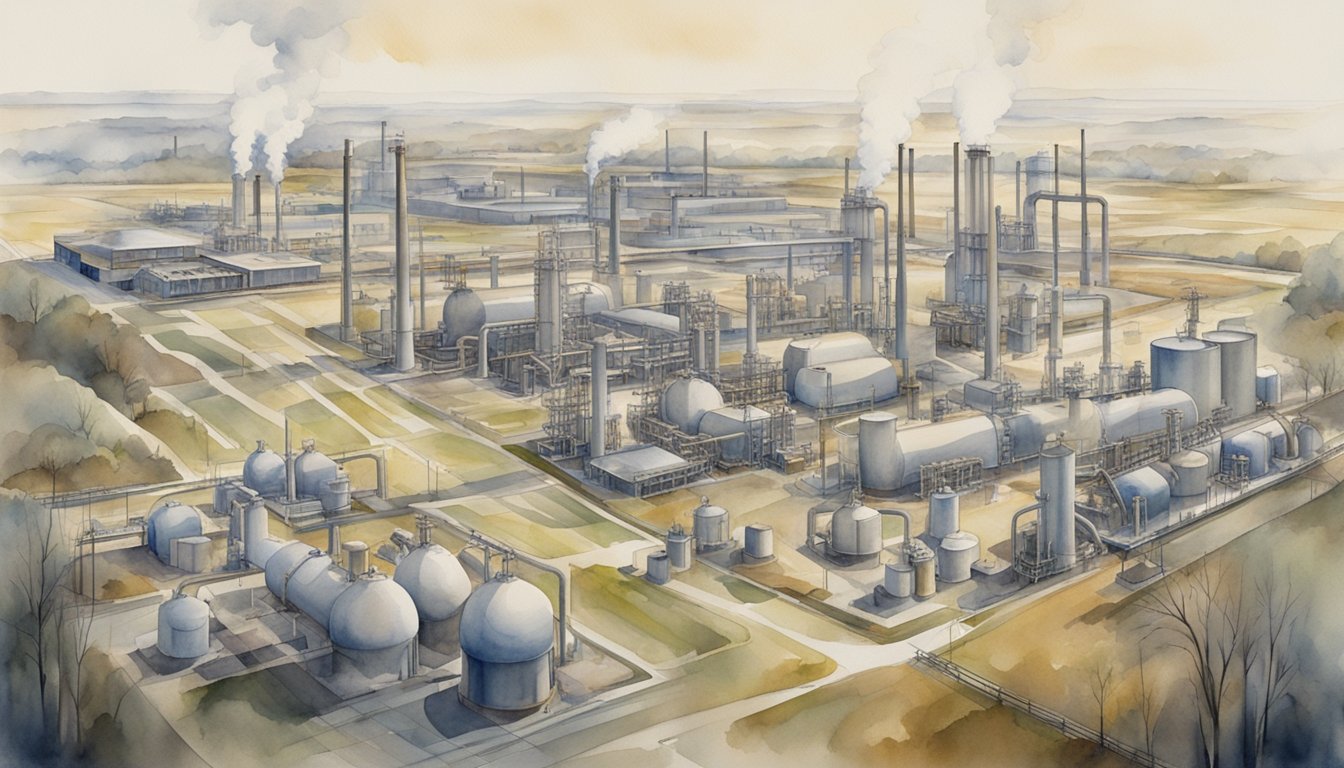
Overview of Water and Wastewater Infrastructure
Proper management of water and wastewater infrastructure is crucial for ensuring the delivery of clean drinking water and the safe treatment of wastewater. Effective infrastructure planning and sustainable practices are essential for the long-term reliability of these systems.
Importance of Sustainable Water and Wastewater Treatment
Sustainable water management involves meticulously planning and maintaining the infrastructure needed to deliver drinking water and treat wastewater. This requires a balance between current needs and future demands while minimizing environmental impacts.
Regulatory bodies like the EPA emphasize the importance of sustainability in water infrastructure. They offer support in the form of funding and technical guidance to help maintain and upgrade these systems effectively. The Bipartisan Infrastructure Law, for instance, has allocated over $50 billion to improve water-related infrastructure, highlighting the commitment to sustainable practices.
Meeting these sustainability goals involves regular assessment and repair of aging pipelines and treatment facilities. Without sustainable measures, water and wastewater systems are vulnerable to failures that can lead to public health risks and environmental damage.
Components of Water Infrastructure
Water infrastructure encompasses a variety of components, each playing a critical role in the overall system’s functionality. Key components include pipelines, treatment plants, reservoirs, and pumping stations.
Pipelines: These are essential for transporting water from sources to treatment plants and subsequently to consumers. Aging pipelines require significant investment for maintenance and replacement to prevent leaks and contamination.
Treatment Plants: These facilities are where water is purified to meet health standards before distribution. Wastewater treatment plants, on the other hand, ensure that used water is cleaned and made safe for release back into the environment.
Reservoirs and Pumping Stations: Reservoirs store water for future use, while pumping stations help move water through the system. Both components need regular upgrades to handle increasing demands and improve efficiency.
Investing in these components, along with employing advanced technology and management practices, is vital for ensuring that water infrastructure meets modern needs and withstands future challenges.
Financial Planning and Investment Strategies
Effective financial planning and investment strategies are essential for managing the costs associated with water and wastewater infrastructure development. This includes addressing long-term investment needs and balancing the costs with water rates to ensure sustainable service delivery.
Long-Term Investment Needs
Water and wastewater management companies must assess long-term investment needs to maintain and upgrade infrastructure like pipelines and treatment facilities. A comprehensive approach requires the development of a Capital Improvement Plan (CIP) and an Asset Management Plan.
These plans help in forecasting future costs, identifying necessary upgrades, and prioritizing projects. By addressing both immediate and future needs, companies can allocate resources efficiently, minimizing the risk of unexpected failures and service disruptions.
Regular assessment of infrastructure health through condition assessments and performance evaluations is crucial. Companies should also stay informed about regulatory changes, technological advances, and emerging risks that could impact their long-term investment strategies.
Balancing Costs and Rates
Balancing the costs of infrastructure development with water rates is critical to ensure affordability for consumers while covering operational and capital expenditures. This involves developing a five-year financial plan with a fully allocated rate structure, ensuring that all costs are accounted for and projected over a longer term.
Setting rates must consider the total cost of providing services, including debt service, maintenance, and replacement costs. Financial assistance tools and grants can help mitigate some expenses, ensuring that the rates remain manageable for the public.
Transparent communication with stakeholders about rate changes and the rationale behind them is essential for maintaining trust and support from the community. Financial sustainability can be achieved by striking a balance between necessary investments and fair, affordable pricing.
Accounting for Infrastructure Costs
Infrastructure development in water and wastewater management, including pipelines and treatment facilities, requires careful financial planning. This involves distinguishing capital expenditures from operational costs and budgeting for future maintenance and replacement.
Capital Expenditures Vs. Operational Costs
Capital expenditures (CapEx) refer to significant investments in physical assets like pipelines and treatment facilities. These one-time costs include construction, major upgrades, and new equipment. The goal of CapEx is to enhance infrastructure capacity and efficiency.
Operational costs (OpEx), on the other hand, are recurring expenses needed to keep the infrastructure running smoothly. This includes salaries, energy costs, chemicals, and minor repairs. Properly categorizing expenses ensures clarity in financial statements and enables better tracking of spending versus investments.
Key Considerations:
- CapEx: Depreciation, asset lifespan, and funding sources.
- OpEx: Predictability, ongoing budgeting, and performance monitoring.
Budgeting for Maintenance and Replacement
Maintenance and replacement are vital to sustaining infrastructure’s condition and performance. Budgeting for these ensures longevity and reliability of pipelines and treatment facilities.
Regular maintenance involves systematic inspections, cleaning, and minor repairs. This proactive approach minimizes unexpected failures and prolongs asset life.
Replacement budgeting deals with end-of-life replacement of major components. Accurate forecasting considers usage rates, wear and tear, and technological advancements.
Strategies:
- Condition assessments: Regularly scheduled evaluations to determine maintenance needs.
- Performance tracking: Monitoring operational efficiency to identify issues early.
- Funding allocations: Setting aside reserves or using municipal bonds and private capital for large replacements.
Proper budgeting and accounting practices safeguard the sustained operation of water and wastewater infrastructure, ensuring safe and efficient water management services.
Funding and Financing Mechanisms
Water and wastewater management companies can leverage various funding and financing mechanisms to support infrastructure development. These methods include federal and state funding opportunities, as well as private capital through public-private partnerships.
Utilizing Federal and State Funding Opportunities
Federal and state funding play a vital role in the financial stability of water infrastructure projects. Programs such as the Clean Water State Revolving Fund (CWSRF) and Drinking Water State Revolving Fund (DWSRF) provide low-cost financial assistance to local governments and qualified entities. Over the past 25 years, these programs have supplied approximately $133 billion for construction and repair of water facilities.
State and local governments also contribute through water rates, surcharges, and municipal bonds. Nonprofit foundations like the Johnson Foundation and the Rockefeller Foundation offer additional funding streams, often filling gaps not covered by public financing. Agencies like the Environmental Finance Center Network and the Resiliency Finance Center provide technical assistance and resources to help utilities secure and manage these funds effectively.
Private Capital and Public-Private Partnerships
Private capital is an essential element for bridging funding gaps in water infrastructure. Public-private partnerships (PPPs) can provide significant benefits, including efficiency, innovation, and shared financial risk. These partnerships allow private investors to fund, build, operate, and maintain infrastructure projects, which can lead to improved project delivery and performance.
To encourage private investment, governments may offer incentives such as tax credits or favorable regulatory frameworks. Successful PPPs often rely on clear agreements that outline responsibilities, performance metrics, and financial arrangements. International organizations and financial institutions can also support PPPs by providing expertise and structuring innovative financial instruments like revolving funds and performance-based aid.
These combined efforts between public and private entities help ensure that water and wastewater management companies have the necessary resources to develop and maintain robust infrastructure systems.
Compliance with Regulatory Requirements
Infrastructure development in water and wastewater management must comply with strict regulatory standards to ensure both safety and environmental protection. Companies must follow the guidelines set forth by the EPA, focusing on both adherence to regulatory standards and protecting water quality.
Adhering to EPA Standards
Water and wastewater management companies are required to adhere to the Clean Water Act (CWA) enforced by the Environmental Protection Agency (EPA).
Section 404 of the CWA is vital, as it regulates the discharge of pollutants into waters and mandates permits for infrastructure projects like pipelines and treatment facilities. The EPA and the U.S. Army Corps of Engineers jointly oversee this section, issuing permits and conducting compliance monitoring.
The EPA collaborates with federal, state, and tribal bodies to implement regulations addressing contaminants such as phosphorus and nitrogen. Companies must stay updated with drinking water regulations under development to ensure compliance and avoid operational disruptions.
Safety and Water Quality Protection
Safety and water quality protection are crucial aspects of regulatory compliance. Companies must implement measures to prevent contaminants from entering the water supply and ensure treatment facilities meet quality standards.
EPA standards mandate regular monitoring and testing for pollutants, including lead and arsenic. This helps protect public health and maintain safe drinking water.
Water treatment technologies must align with regulatory requirements to effectively reduce contaminants. Investment in state-of-the-art treatment facilities is necessary to meet evolving standards and protect water quality.
Ensuring the longevity and reliability of infrastructure such as pipelines is essential. Proper installation and maintenance can prevent leaks and contamination, safeguarding both the environment and public health.
Operational Efficiency and Sustainability
Operational efficiency in water and wastewater management companies is vital for ensuring long-term sustainability. Key aspects include effective asset management and robust training programs for the workforce, which both play crucial roles in maintaining and enhancing infrastructure.
Asset Management and Performance Indicators
Asset management is critical for maintaining infrastructure like pipelines and treatment facilities. This involves regularly scheduled maintenance and timely repair to avoid unforeseen failures. By tracking performance indicators such as system downtime, leak rates, and repair turnaround times, utilities can gain actionable insights to improve operational efficiency.
Effective asset management also requires adequate funding. Ensuring financial strategies are in place to cover operational, maintenance, and replacement costs is essential. This financial planning supports sustainable development by providing clean water and sanitation services without interruption.
Training and Workforce Development
A well-trained workforce is indispensable for efficient water and wastewater management operations. Continuous training programs ensure staff are knowledgeable about the latest technologies and best practices. This not only improves daily operations but also helps in quick adaptation to new challenges.
Investing in workforce development leads to better management practices and enhances overall system reliability. Skilled employees can proactively address potential issues in water treatment plants and contribute to the sustainability of clean water services. Emphasizing sustainability in training programs ensures that the workforce is aligned with long-term environmental goals.
Innovation and Adaptation in Infrastructure
With increasing challenges such as water scarcity and climate change, infrastructure projects in water and wastewater management must prioritize innovative solutions and adaptability. This approach ensures sustainable water infrastructure and resilient operations for the future.
Embracing Innovative Solutions
Water and wastewater management companies are leveraging innovative solutions to enhance the efficiency and sustainability of their infrastructure. For instance, remote sensing technology assists in accurate water accounting and non-revenue water remediation.
Internet of Things (IoT) devices enable smart irrigation systems, which optimize water usage and improve water quality control. Additionally, decentralized treatment systems are gaining traction as they allow for local handling of water and wastewater, reducing the burden on central facilities and cutting transmission losses.
Planning for Resilience and Adaptability
Effective infrastructure planning must incorporate resilience and adaptability to address future uncertainties. This involves designing pipelines and treatment facilities that can withstand extreme weather events and other impacts of climate change.
Integrating sustainable materials and practices in construction ensures longer lifespan and reduced environmental footprint. Maintaining a flexible infrastructure plan allows for upgrades and expansions in response to population growth and technological advancements. Emphasizing resilience in every phase of the project guards against disruptions and ensures continuous service in face of challenges.
Assessing the Impact of External Factors
Examining the effects of external factors, such as the financial impacts of COVID-19 and the challenges posed by aging infrastructure, is essential when accounting for the costs of infrastructure development in water and wastewater management.
The Financial Impact of COVID-19
The COVID-19 pandemic brought significant financial challenges to water and wastewater management companies. Reduced industrial and commercial water usage led to lower revenues.
This decline stressed budgets, impacting their capacity to invest in new infrastructure. Operating costs increased as companies adopted stringent health and safety measures. Additionally, delays in construction projects due to supply chain disruptions and labor shortages were common.
Federal relief funds helped mitigate some of these impacts, but the pandemic highlighted the need for resilient financial strategies in infrastructure planning.
The Challenges of Aging Infrastructure
Many water and wastewater systems in the United States are aging, leading to increased maintenance costs and more frequent failures such as leaks and pipeline breaks. This aging infrastructure often requires substantial upgrades or replacements.
Deferred maintenance exacerbates these issues, leading to higher repair costs and potential service disruptions. Investments in modern technologies, such as advanced leak detection systems and water recycling facilities, can help address these challenges.
Securing federal investment and grants can also provide necessary financial support for infrastructure improvement.
Risk Management and Emergency Preparedness
Effective risk management and emergency preparedness are crucial for water and wastewater management companies. This involves developing robust security and emergency protocols and accounting for costs related to operations and maintenance during emergencies.
Ensuring Security and Emergency Protocols
Water and wastewater utilities must implement comprehensive security measures to protect their infrastructure from potential threats. Security practices should include physical security measures, such as fences and surveillance systems, as well as cybersecurity protocols to prevent digital attacks.
Creating emergency preparedness plans is essential. These plans should outline procedures for responding to natural disasters, equipment failures, and other emergencies. Regular training and drills ensure that staff are ready to act swiftly and efficiently during crises.
Engaging with the Water and Wastewater Agency Response Network (WARN) can provide additional support. This network helps utilities assist each other during emergencies by sharing resources and expertise.
Costs of Operations and Maintenance in Emergencies
During emergencies, utilities face additional costs related to operations and maintenance. These costs can include repairing damaged infrastructure, such as pipelines and treatment facilities, as well as temporary measures to maintain service.
Allocating funds for emergency response activities is also crucial. This includes costs for emergency staffing, overtime pay, and the purchase of emergency supplies and equipment. Properly budgeting for these expenses can help mitigate the financial impact.
Utilities should also consider the long-term costs associated with improving resilience. Investing in infrastructure upgrades and adopting advanced technologies can reduce the risk of future emergencies and lower overall maintenance costs. These proactive measures contribute to more sustainable and efficient operations.
Analyzing the Economic and Environmental Impact
Investment in water and wastewater management significantly affects both economic growth and environmental health. Proper evaluation and management can lead to job creation, improved public health, and sustainable resource usage.
The Role of Wastewater Management in Economic Development
Wastewater management can drive economic development through job creation and operational expenditures. Investments in infrastructure, such as pipelines and treatment facilities, generate employment opportunities and stimulate local economies.
The American Society of Civil Engineers estimates that the U.S. needs to invest $123 billion annually in water infrastructure. Such investments not only modernize outdated systems but also enhance the quality of life by providing reliable water services, essential for communities and businesses.
Capital expenditure (CAPEX) and operation and maintenance costs (OPEX) are key economic factors. CAPEX addresses initial development costs, while OPEX involves the ongoing expenditure needed to maintain infrastructure. Together, they constitute a significant portion of the economic footprint of wastewater management.
Environmental Impacts and the Sustainability Gap
Water and wastewater treatment facilities significantly impact the environment. Proper management reduces pollution and conserves natural resources, essential for sustainable development.
Aging infrastructure can fail, causing leaks, contaminations, and inefficient water usage. Renewal and replacement programs are critical in closing the sustainability gap, ensuring that systems remain effective and environmentally friendly.
Additionally, treatment processes generate byproducts like biogas and reclaimed water, which can be repurposed. For example, biogas can be used for energy production, and reclaimed water for agricultural irrigation. These practices not only lessen environmental burdens but also provide economic return, making the investment in modern wastewater management beneficial on both fronts.
Frequently Asked Questions
Water and wastewater management companies face complex financial and regulatory challenges when accounting for infrastructure development. This section addresses key questions about financing, depreciation, cost estimation, regulations, aging infrastructure, and budgeting.
What are the common methods for financing new water and wastewater infrastructure projects?
New infrastructure projects are often financed through a mix of public and private funding. Bonds, loans from government programs such as the EPA’s State Revolving Fund, and public-private partnerships are typical methods. Grants and other funding sources may also play a role.
What accounting practices are recommended for the long-term depreciation of water utility assets?
Depreciation should follow standardized practices, such as using straight-line or declining balance methods. This ensures that the cost of assets like pipelines and treatment facilities is spread over their useful life. Regular reviews and updates to depreciation schedules are essential to reflect current asset conditions and usage.
How do water service companies estimate the lifecycle costs of infrastructure assets?
Lifecycle cost estimation involves assessing the total cost of ownership, including initial construction, operation, maintenance, and eventual replacement or decommissioning. Companies use historical data, predictive modeling, and risk analysis to create accurate estimates. This helps in budgeting and long-term financial planning.
What regulations govern the accounting of capital expenditures in the water sector?
Accounting standards such as GAAP (Generally Accepted Accounting Principles) and regulations set by the FASB (Financial Accounting Standards Board) provide guidelines for capital expenditures. Additionally, specific industry standards and government regulations may affect how costs are recorded and reported.
In what ways can the cost of aging water and wastewater infrastructure be mitigated?
Mitigation strategies include proactive maintenance, timely upgrades, and the use of advanced technologies to extend asset life. Securing funding for rehabilitation projects and prioritizing critical infrastructure can also reduce long-term costs and prevent system failures.
How should water utilities approach the budgeting process for infrastructure repair and maintenance?
Budgeting should be based on detailed asset management plans that identify repair and maintenance needs. Regular inspections, condition assessments, and historical maintenance data contribute to accurate budget forecasts. Allocating sufficient funds for unexpected repairs and emerging technologies will ensure system reliability and efficiency.
Leave a Reply