
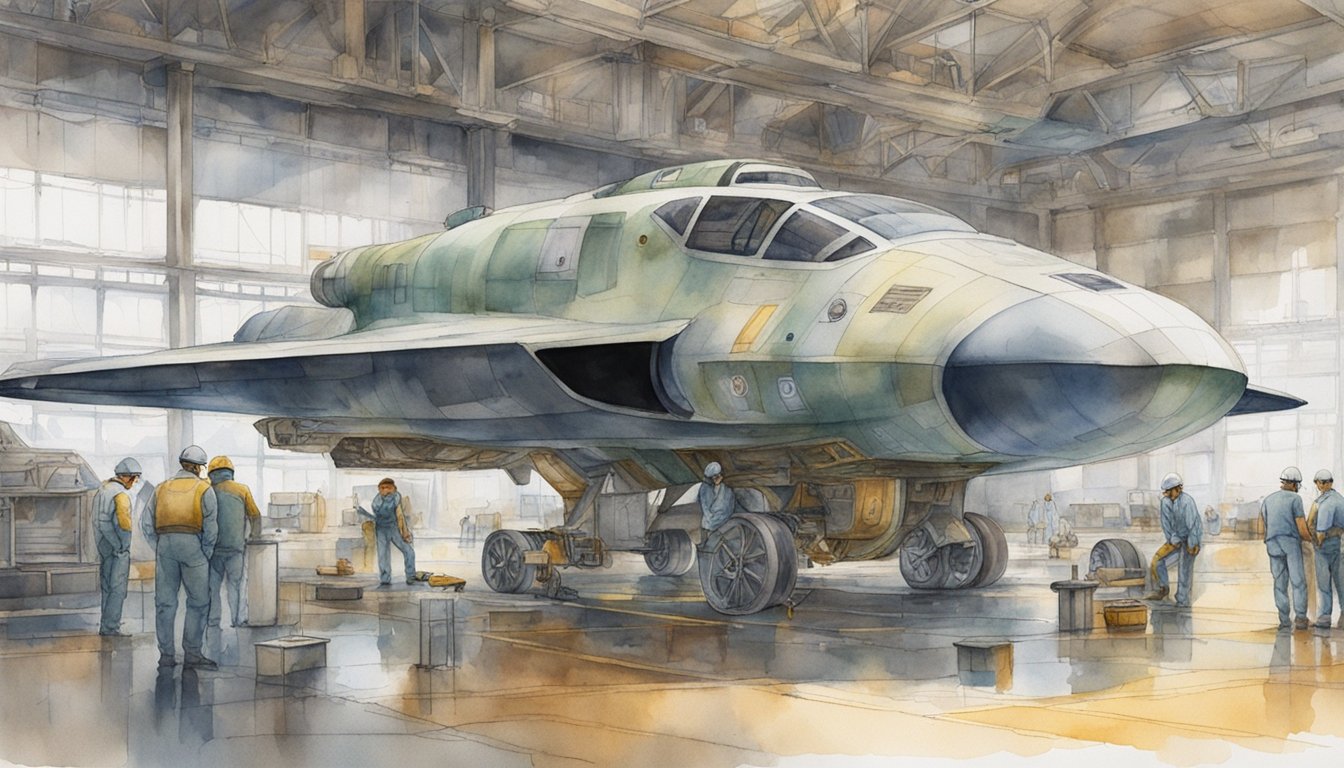
Overview of Space Tourism Industry
The space tourism industry is a burgeoning market, offering private citizens the opportunity to experience space travel. Companies such as SpaceX, Blue Origin, Virgin Galactic, and Boeing are some of the key players driving this new era of space exploration.
Space tourism involves commercial space travel, where individuals pay to travel into space for recreational purposes rather than scientific research or professional missions. The industry promises both prestige and the thrill of space adventure.
The high costs associated with space travel make it a luxury experience. Ticket prices can reach millions of dollars, reflecting the immense costs involved in spacecraft development, safety measures, and launch operations.
Several companies are competing to provide these unique experiences. SpaceX focuses on reusable rockets and has plans for missions to Mars. Blue Origin, founded by Jeff Bezos, emphasizes suborbital tourism. Virgin Galactic targets suborbital flights with a different technology approach.
The rise of the space tourism market is also expected to drive economic growth, creating jobs, and generating substantial revenue. Ensuring sustainable practices within this industry remains a crucial challenge.
Space tourism represents a new frontier in travel, merging technological advancement with human curiosity and adventure. Through continuous innovation, the industry aims to make space travel more accessible to a broader audience over time.
Key Players in the Space Tourism Market
The space tourism market is dominated by a few pioneering companies and influential personalities. These entities are shaping the future of commercial space travel and making it accessible to a broader audience.
Profile of Prominent Companies
SpaceX: Founded by Elon Musk, SpaceX has made significant strides in reducing the cost of space travel. Their reusable rocket technology has set new standards. They cater to both government and private clients, and their successful manned missions have bolstered their credibility.
Virgin Galactic: Led by Richard Branson, Virgin Galactic focuses on suborbital flights. The company offers short trips that provide a few minutes of weightlessness. Their flights are designed to maximize the customer experience, making space accessible to non-professional astronauts.
Blue Origin: Jeff Bezos’ Blue Origin emphasizes both suborbital and orbital flights. Their New Shepard rocket is designed for short space tourism trips, while the New Glenn is intended for longer missions. Blue Origin is also working on a commercial space station.
Axiom Space: A newcomer with ambitious plans, Axiom aims to build the first commercial space station. They have agreements with SpaceX for missions to the International Space Station (ISS), bringing private astronauts to space for extended stays.
Influential Figures in Space Tourism
Elon Musk: As the CEO of SpaceX, Musk is known for his bold visions and significant investments in space technology. His goal is to make space travel more affordable and eventually enable human life on Mars.
Richard Branson: The founder of Virgin Galactic, Branson is a charismatic leader and advocate for space tourism. His focus is on democratizing space by offering suborbital flights to the public.
Jeff Bezos: Bezos, the founder of Amazon and Blue Origin, invests heavily in space infrastructure. His vision extends beyond tourism to creating a sustainable human presence in space. Bezos’ funding and influence are pivotal in advancing the industry’s capabilities.
These individuals are not just business leaders but icons driving the dreams of space-bound travel into reality. Their companies’ competition fosters innovation, making space tourism an increasingly viable industry.
Depreciation of Spacecraft Assets
In space tourism, accounting for spacecraft depreciation is critical for financial planning. Estimating the asset’s life span and the impact of wear and tear ensures accurate representation of value.
Accounting for Spacecraft Value Over Time
Spacecraft, like any asset, lose value over time. Initial investment costs are high, making accurate depreciation essential.
A common method used is straight-line depreciation, where the asset’s value reduces evenly over the estimated useful life span. Depending on the spacecraft, this could range from 7 to 15 years.
Accelerated depreciation methods can also be utilized, allowing companies to account for higher depreciation expenses in the early years. This provides tax advantages.
Residual value estimation needs to be precise as it impacts depreciation calculations and financial forecasting.
Impact of Wear and Tear on Spacecraft
Wear and tear significantly affect spacecraft value. Regular use subjects spacecraft to physical stress, radiation, and micro-meteoroid impacts.
Routine maintenance can extend the operational life span, but it doesn’t eliminate the loss in value from use. Companies must account for the varying degrees of wear each mission type imposes.
Voyages to low Earth orbit (LEO) and deep space missions have different wear patterns, affecting depreciation rates. Including maintenance and repair costs in depreciation models gives a clearer financial picture.
In summary, handling depreciation of spacecraft assets involves specific accounting techniques and considerations to ensure that financial planning reflects the true value and wear of these high-investment assets.
Maintaining Spacecraft for Longevity
Ensuring the longevity of spacecraft involves routine maintenance and the adoption of reusable rockets. Technological advancements in spacecraft design and regular checks play a pivotal role.
Routine Checks and Balances
Spacecraft operate in harsh environments, encountering extreme temperatures, vacuum, and cosmic radiation. Regular maintenance schedules are essential to manage these challenges. Pre-launch checks, in-orbit diagnostics, and post-mission inspections ensure all components are functioning optimally.
Implementing predictive maintenance technology can identify potential failures before they occur. Engineers must update and replace worn-out parts to maintain reliability. Sophisticated software helps monitor spacecraft health in real-time, enabling proactive maintenance and minimizing unexpected breakdowns.
Adoption of Reusable Rockets
Reusable rockets, like SpaceX’s Crew Dragon and Blue Origin’s New Shepard rocket, are revolutionizing space travel. These rockets are designed to withstand multiple launches and landings, reducing the cost per mission. Several critical aspects are involved in their maintenance.
Post-flight inspections after each mission are crucial to ensure that all components remain intact. Technologies such as thermal protection systems and landing gear enhancements are continually updated. These advancements prolong the operational life of the rockets and provide significant cost savings for space tourism companies.
Understanding Cost Factors in Space Tourism
Space tourism involves significant financial considerations that impact launch costs and the economics of suborbital flights.
Breakdown of Launch Costs
Launch costs form a substantial portion of the expenses in space tourism. The development of spacecraft, rigorous safety protocols, and the price of launch operations drive these costs. Companies like Blue Origin may charge between $200,000 and $300,000 per ticket.
Other expenses include fuel, maintenance, and labor. Each launch requires extensive planning and coordination of ground support systems. Furthermore, insurance and regulatory compliance add to the financial burden.
Economics of Suborbital Flights
Suborbital flights present a different economic model. These flights are shorter and less complex than orbital missions, reducing some costs. Companies aim to make space travel more affordable by innovating and increasing competition.
Ticket costs for suborbital flights currently range from $200,000 to $250,000. As more players enter the market and technology progresses, prices are expected to decrease, potentially opening space travel to a broader audience.
Regulations Governing Space Tourism
Regulating space tourism involves dealing with various legal and safety standards. These regulations encompass obtaining licenses, managing liability issues, and enforcing strict safety protocols to ensure the well-being of space tourists.
Licenses and Liability Issues
Space tourism companies must secure appropriate licenses before initiating commercial flights. The Federal Aviation Administration (FAA) plays a critical role in this process, ensuring that companies meet stringent requirements.
Liability is another significant concern. Companies must provide adequate insurance to cover potential damages, accidents, or losses. The Outer Space Treaty obligates nations to oversee activities conducted by their citizens in space. Thus, government agencies require transparency and compliance with international norms.
Safety Standards and Emergency Procedures
Safety is paramount in space tourism. Companies must adhere to rigorous safety regulations set by entities like the FAA. These measures include ensuring the integrity of spacecraft, proper training for passengers, and comprehensive emergency procedures.
Safety standards often involve regular inspections and assessments of spacecraft. Emergency protocols must be clear and practiced, including communication strategies and evacuation plans. The balance between adventure and safety is crucial, and maintaining this balance is a continuous effort.
Training Programs for Space Tourists
Preparing for a journey into space involves rigorous training to ensure the safety and well-being of space tourists. This training includes physical preparation and comprehensive health and safety protocols.
Pre-flight Preparation
Physical Fitness: Space tourists must undergo extensive physical training to prepare their bodies for the challenges of space travel. Cardiovascular exercises are emphasized to mitigate the effects of microgravity on the heart.
Simulations: Participants engage in simulations that mimic the conditions of space, such as zero-gravity flights and centrifuge training to acclimate them to weightlessness and G-forces experienced during launch and re-entry.
Technical Skills: Basic technical skills are taught, such as operating essential equipment and understanding basic spacecraft systems.
Health and Safety Protocols
Emergency Procedures: Training includes detailed instructions on emergency protocols, covering scenarios like cabin depressurization, fire, and medical emergencies. Tourists are trained in the use of safety equipment such as space suits.
Informed Consent: Space tourists must be fully informed about the risks associated with space travel. They go through briefings outlining potential hazards and the physical and psychological demands of the journey.
Medical Evaluations: Comprehensive health screenings ensure that participants are fit to endure the stresses of space travel. Continuous health monitoring is conducted before, during, and after the mission.
Strategic Partnerships and Collaboration
Developing strategic partnerships is crucial for space tourism companies aiming to handle the depreciation of spacecraft effectively. These partnerships can range from international collaborations to engagements between the public and private sectors.
Aligning with International Entities
Aligning with international space agencies such as NASA and utilizing infrastructure like the International Space Station (ISS) can provide significant advantages. Such alliances help in sharing technological advancements and maintenance facilities, potentially reducing the rate of depreciation.
Examples: Space tourism companies can collaborate with NASA for accessing advanced research on materials that withstand space conditions better, thus extending the lifespan of spacecraft.
Benefits: International collaboration enhances resource pooling, leading to better financial efficiency. It also opens up avenues for shared missions, reducing wear on individual spacecraft.
Public and Private Sector Engagement
Public-private partnerships are another strategic avenue that can alleviate depreciation concerns. Engaging with the U.S. government, including its regulatory and funding bodies, can offer both financial support and logistical backing.
Example: Space tourism companies might partner with the Department of Defense for joint missions, utilizing government resources for maintenance and refurbishment.
Advantages: Collaborations with private companies can lead to shared R&D costs. Moreover, public sector engagement can facilitate access to tax incentives and subsidies that ease financial burdens related to spacecraft maintenance and upgrade.
Impact of Space Tourism on Global Economy
Space tourism’s rise has significant implications for the global economy. It fosters job creation and economic growth while driving advances in research and development and technological improvements.
Job Creation and Economic Growth
The burgeoning space tourism industry opens up numerous job opportunities. Positions in various sectors such as hospitality, manufacturing, and transportation are created to support tourists’ needs.
Manufacturing spacecraft and related components necessitates skilled labor, boosting high-tech job markets. Economies hosting these activities see increased spending and investments, amplifying their growth.
Supporting infrastructure such as spaceports, training facilities, and hotels further stimulates local economies, enhancing employment. The ripple effect extends to transportation and retail sectors, contributing to a broader economic impact.
R&D and Technological Advancements
Space tourism heavily invests in research and development (R&D) and spurs significant technological advancements. Companies pursuing this venture prioritize innovations in 3D printing, electric propulsion, and other cutting-edge technologies to enhance spacecraft safety, efficiency, and cost-effectiveness.
Investments in R&D create a trickle-down effect, benefiting other industries and applications. For instance, advancements in materials science developed for space travel can improve manufacturing processes on Earth.
These technological advancements expand beyond just space tourism, pushing the boundaries of what is possible across various sectors, thus fostering overall economic growth.
Environmental Considerations and Sustainability
Space tourism companies must address environmental sustainability with care and precision. The sector involves multiple facets such as technological innovation, environmental stewardship, and socio-economic impact.
Electric propulsion systems offer a promising pathway. These systems reduce greenhouse gas emissions compared to traditional chemical rockets. This technology not only minimizes atmospheric pollution but also extends the longevity of the spacecraft.
Investment in research and development is crucial. R&D can lead to increased efficiency in propulsion systems and spacecraft design. Sustainable materials should be prioritized to reduce the long-term environmental footprint.
Waste management in space operations is another important aspect. Companies must ensure that spacecraft do not leave debris that could pose risks to future missions.
Environmental audits should be regularly conducted. This would help identify areas where improvements can be made to adhere to sustainability standards.
The industry should also consider socio-economic factors. Long-term sustainability involves not just environmental health, but also the well-being of communities affected by space tourism activities.
Implementing these practices enables space tourism companies to balance profitability with responsibility.
Consumer Perception of Space Tourism
Consumers view space tourism through the lens of novelty and prestige. The perception varies significantly based on market trends and public interest, driven by factors such as wealth and the appeal of space exploration for recreational purposes.
Market Trends and Demand Analysis
Space tourism appeals primarily to wealthy individuals due to its high costs. The market demand is influenced by the desire for unique and pioneering experiences that only space travel can provide. Companies like SpaceX and Blue Origin are capitalizing on this by offering suborbital and orbital flights.
Demand analysis shows a growing interest from affluent consumers. The exclusivity of being among the first space tourists drives substantial interest. Surveys and pre-booking numbers indicate a robust market, despite the high financial barriers to entry.
Public Interest and Expectations
Public interest in space tourism is fueled by fascination with space exploration. Media coverage plays a crucial role in shaping perceptions, often highlighting the adventurous and luxurious aspects of space travel. This creates excitement and curiosity even among those who may not afford the experience.
Expectations revolve around safety, uniqueness, and the potential to witness Earth from space. Consumers expect high standards of comfort and exclusivity, similar to luxury travel on Earth. Meeting these expectations is essential for maintaining and growing public interest in space tourism.
Frequently Asked Questions
The following questions address crucial aspects of handling spacecraft depreciation for space tourism companies. Understanding these points is essential for maintaining financial stability and ensuring long-term success in this emerging industry.
What are the accounting practices for asset depreciation in space tourism?
Space tourism companies often adopt standard accounting practices such as straight-line or reducing balance methods for asset depreciation. These practices help in systematically allocating the capital cost of spacecraft over their useful life.
What methods can be used to estimate the lifespan of spacecraft for financial reporting?
Estimating the lifespan of spacecraft involves analyzing historical data, wear and tear, technological advancements, and manufacturer guidelines. Companies may consult with engineers and experts to determine realistic depreciation schedules.
How do advancements in space technology impact the depreciation rates of spacecraft?
Technological improvements can either extend the operational life of spacecraft or render older models obsolete more quickly. Companies must continuously review and adjust depreciation schedules to accurately reflect the impact of such advancements.
What is the significance of spacecraft depreciation for the long-term profitability of space tourism companies?
Properly accounting for depreciation ensures that companies set aside sufficient reserves for future asset replacement. This financial foresight is critical in maintaining operational capabilities and supporting long-term sustainability.
How does the unique operational environment of space affect the depreciation of spacecraft assets?
The harsh conditions of space, including exposure to radiation and micrometeoroid impacts, accelerate wear and tear on spacecraft. Companies need to account for these factors when determining depreciation rates to reflect the true asset value accurately.
What strategies should space tourism companies adopt to manage the costs associated with spacecraft aging?
Companies should consider regular maintenance schedules, upgrading components, and investing in newer technologies. Strategically planning for asset replacement and maintaining a fund for unexpected repairs can help manage aging costs and sustain profitability.
Leave a Reply