
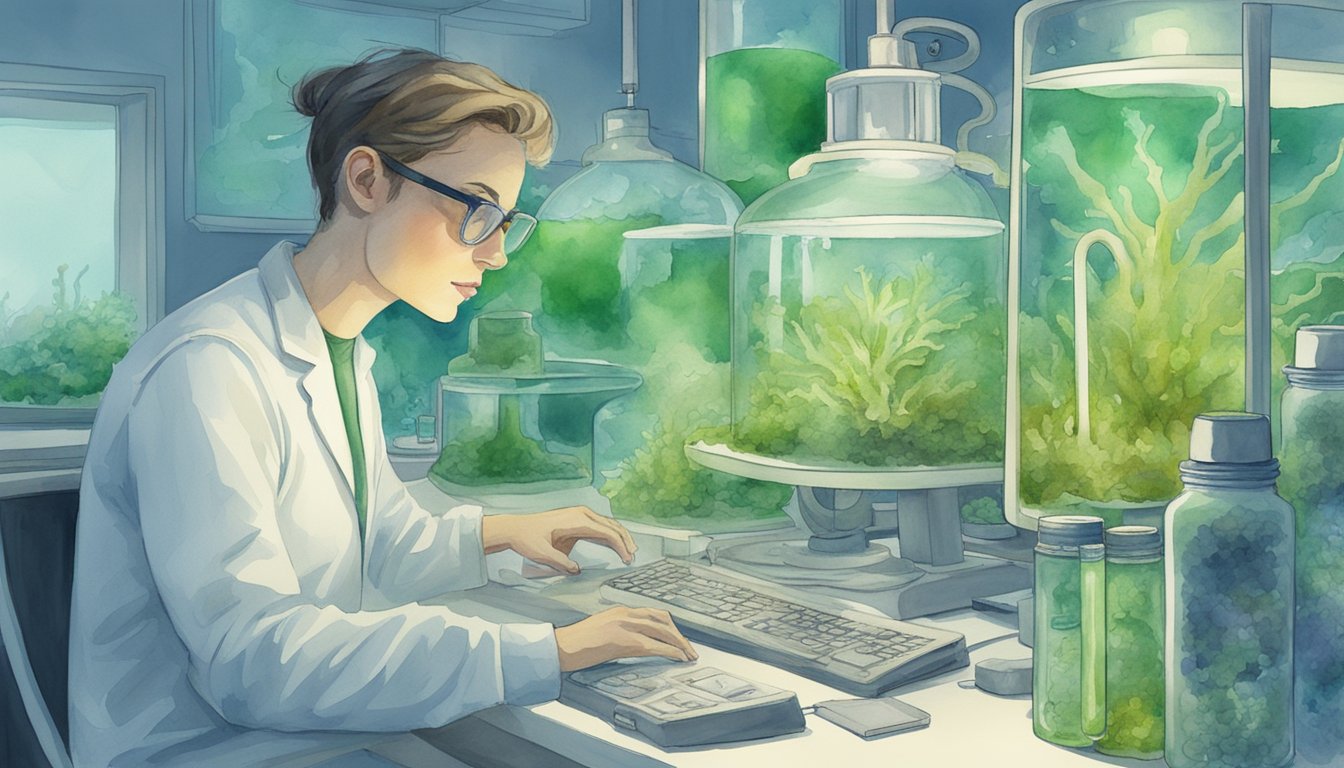
Introduction to Marine Biotechnology
Marine biotechnology taps into the uniqueness of marine organisms to develop a variety of products, including pharmaceuticals and nutraceuticals. Its role in advancing the blue economy while promoting sustainability is pivotal.
Understanding Marine Biotechnology
Marine biotechnology involves harnessing the biological resources of the ocean for technological applications. This includes the study of algae, corals, sponges, and various marine microorganisms. These organisms offer unique bioactive compounds that can be used for medical purposes, such as developing new drugs.
Research in marine biotechnology also targets genetic modification techniques to improve food sources and produce sustainable energy solutions. The interdisciplinary nature combines both basic and applied sciences.
Roles in the Blue Economy
The blue economy advocates for the sustainable use of ocean resources for economic growth. Marine biotechnology plays a critical role. It supports sectors such as pharmaceuticals, aquaculture, and environmental conservation.
For example, the development of marine-based pharmaceuticals is on the rise, addressing numerous health challenges. Additionally, marine biotechnology contributes to sustainable aquaculture practices by enhancing the efficiency and productivity of seafood production. This integration ensures that economic benefits are balanced with the sustainable management of marine ecosystems.
R&D Processes in Marine Biotechnology
Marine biotechnology companies engage in various research and development activities to capitalize on the ocean’s rich biological diversity and develop products such as pharmaceuticals and nutraceuticals.
From Discovery to Development
The R&D process starts with marine bioprospecting, involving the exploration and collection of biological materials from marine environments. Scientists look for marine bioactive compounds with potential health benefits.
Once identified, these compounds undergo initial screening and bioassays to determine their efficacy and safety.
Next is the optimization phase, where the compound’s effectiveness, stability, and delivery methods are refined.
The drug discovery phase then transitions into preclinical and clinical trials, ensuring the compounds meet regulatory standards before reaching the market. Funding and investment are critical throughout this pipeline to support the lengthy and costly process.
Role of Microorganisms in R&D
Microorganisms, such as bacteria, algae, and fungi, play a pivotal role in marine biotechnology. They are often the source of novel bioactive compounds and natural products.
In the R&D context, microorganisms are used in synthetic biology to produce compounds at a scalable level. Genetic engineering techniques help modify microorganisms to enhance yield and functionality.
Research in marine microbiomes offers insights into new metabolic pathways and bioactive substances. This helps in drug development by providing natural templates for pharmaceuticals, ensuring sustainable and efficient production.
Additionally, the bioreactor technologies enable the cultivation of these microorganisms in controlled environments, optimizing the growth and compound extraction processes.
Economic Aspects of Marine-derived Products
Marine-derived products, such as pharmaceuticals and nutraceuticals, show significant potential in their respective markets. Evaluating market trends and the cost structure associated with their development is crucial for marine biotechnology companies.
Market Trends and Commercialization
The market for marine-derived pharmaceuticals is estimated to be around $5 billion globally, reflecting robust demand for innovative treatments.
The food sector, especially with products like seaweeds, has a substantial value chain in countries like Japan and China.
Firms must navigate regulatory landscapes and build local demand to achieve successful commercialization.
Key Market Trends:
- Growing Demand: Increased interest in sustainable and natural products.
- Geographical Focus: Strong market presence in Asia-Pacific regions.
- Innovation: Continuous discovery of new marine species with potential applications.
Cost Analysis of Marine Product Development
Developing marine-derived products entails high research and development costs. Companies need to account for costs related to sample collection, bioprospecting, and clinical trials.
Cost Factors:
- Sample Collection: Expenses for gathering marine organisms.
- R&D: Significant investment in laboratory research and technological innovation.
- Regulatory Compliance: Costs associated with obtaining necessary approvals.
Marine biotechnology companies must employ innovative solutions to manage high development costs while striving to bring new products to market effectively.
Sustainable Practices in Marine Biotechnology
Sustainable practices in marine biotechnology ensure that the research, development, and production of marine-derived products are environmentally responsible and socially equitable. This involves incorporating sustainability into research and development (R&D) and utilizing sustainable production methods.
Prioritizing Sustainability in R&D
Marine biotechnology companies must integrate sustainability into every stage of R&D. This includes selecting marine organisms that can be harvested without harming ecosystems. Ethical sourcing is crucial to avoid overexploitation.
Utilizing bioremediation, companies can mitigate environmental impacts. They should also explore alternative methods such as synthetic biology to replicate marine compounds without extracting organisms from their habitats. Implementing rigorous environmental impact assessments helps identify potential ecological risks early in the R&D process.
Sustainable Production of Marine Products
The production phase requires adopting sustainable techniques to minimize ecological footprints. Aquaculture, especially integrated multi-trophic aquaculture (IMTA), offers a way to sustainably farm marine organisms. This method combines different species in a single system, allowing for the efficient use of resources and reducing waste.
Biodegradable packaging and eco-friendly processing methods are essential for reducing pollution. Further, sustainable production demands compliance with international sustainability standards and certifications, ensuring that the production processes respect both the environment and local communities.
Regulatory and Ethical Framework
Marine biotechnology companies must navigate a maze of regulations and adhere to stringent ethical standards, ensuring their operations are safe, sustainable, and just. Effective management of these factors supports responsible innovation and environmental stewardship.
Navigating International Regulations
Marine biotechnology firms engaging in research and product development must comply with various international regulations.
Key among these is the United Nations Convention on the Law of the Sea (UNCLOS), which mandates the sustainable use of marine resources. Aligning with the OECD guidelines, companies need to ensure practices promote environmental protection and social equity.
Cooperative frameworks, such as those suggested by the National Research Council and Ocean Studies Board, emphasize collaboration between nations. This includes the need for sharing agreements on products derived from marine research, fostering transparency and fairness. Additionally, companies should remain informed about evolving policies to ensure continuous alignment with global standards.
Adherence to Ethical Standards
Adhering to ethical standards is crucial in marine biotechnology to ensure responsible innovation and societal trust.
Implementing bioethical principles is essential for marine biotechnological applications such as biopharming and aquaculture. This often involves conducting thorough impact assessments to minimize environmental harm and uphold public health.
Ethical considerations also encompass fair resource utilization. Companies should adopt equitable practices that consider the rights and needs of local communities. Upholding ethical standards includes transparency in research and development processes, ensuring informed consent and ethical treatment of both human and ecological subjects.
Promoting sustainability, equity, and inclusivity, as highlighted by Paris agreements and international bioethical guidelines, ensures that marine biotechnological advancements benefit both people and nature.
Advancements and Innovations
Recent advancements in marine biotechnology have led to significant innovations, particularly in the synthesis of marine-derived products and deep-sea research. These progressions offer promising avenues for developing new pharmaceuticals and nutraceuticals by utilizing unique marine resources.
Biological Synthesis Versus Chemical Synthesis
Biological synthesis leverages marine microorganisms and their metabolic processes to produce complex compounds. This method is often used to generate unique bioactive substances that are difficult to achieve through chemical synthesis alone.
Advantages of biological synthesis include high specificity and the ability to produce compounds that are structurally complex. Researchers like Carroll and De Vries focus on these processes to enhance the yield and potency of marine-derived pharmaceuticals.
Chemical synthesis, on the other hand, provides precise control over reaction conditions and scalability. It remains essential when biological synthesis is impractical or inefficient. The integration of both methods can be seen in hybrid approaches that combine the strengths of each, as noted by trends in biotechnol.
Exploring the Depths: Deep Sea Research
Deep-sea research is crucial for uncovering new marine species and bioactive compounds. The development of advanced technologies, such as High Throughput Sequencing (HTS), allows scientists to study marine biodiversity in environments previously inaccessible. Pioneers like Jaspars and Pratt have utilized these methods to identify novel microbes that produce valuable metabolites.
The exploration of deep-sea organisms has led to the discovery of compounds with potential pharmaceutical applications, including anti-cancer and anti-inflammatory agents. This approach is significant for the continued expansion of marine biotechnology and for meeting the growing demands of pharmaceutical and nutraceutical markets.
With continued investment and research into these areas, there is potential for substantial growth in the marine biotechnology sector, benefiting from both biological and chemical synthesis methods as well as the vast untapped resources of the deep sea.
Scientific Discovery and Research Publications
In marine biotechnology, scientific discovery and research publications are critical to advancing knowledge and application. Researchers often rely extensively on specialized databases and recognize seminal works and leading scholars in the field.
Utilizing Research Databases
Researchers in marine biotechnology widely use databases such as PubMed, Google Scholar, CAS, Amon, and PubMed Central. These resources allow for access to a vast array of peer-reviewed articles and studies.
PubMed and PubMed Central are particularly valuable for locating biomedical and life sciences research. Google Scholar offers a broader range of publications, enabling scholars to track citations and related work.
CAS provides specialized chemical and biochemical information, while Amon focuses on marine genetic resources. These databases collectively support researchers in keeping up with the latest developments and methodologies.
Notable Scholars and Studies
Certain scholars have made significant contributions to marine biotechnology. For instance, research on high-throughput sequencing by Shokralla et al. (2012) and Seymour (2019) has been fundamental in exploring marine microbial biodiversity.
The discovery of cephalosporin-producing fungi in 1948 remains a notable example of impactful marine research. Additionally, countries contributing significantly include China, the USA, and Japan, which lead in scientific output.
Recognizing key studies and contributors helps guide new research and develop innovative marine-derived products. These publications serve as a benchmark and inspiration for ongoing advancements in marine biotechnology.
Emerging Industrial Applications
Marine biotechnology offers significant prospects across various industrial sectors by harnessing unique marine-derived compounds.
Applications in Pharmaceutical Industry
Marine biotechnology plays a crucial role in the pharmaceutical sector by providing novel drug candidates derived from marine organisms. Algae, sponges, and marine microorganisms are sources of unique bioactive compounds that exhibit antibacterial, antiviral, and anticancer properties. Cytarabine, for example, an important anticancer drug, originates from marine sponges. Marine resources are also being investigated for anti-inflammatory and pain-relief medications, expanding the pharmaceutical industry’s capabilities to treat difficult illnesses.
Nutraceuticals and Food Ingredients
Marine biotechnology contributes significantly to the development of nutraceuticals and innovative food ingredients. Marine-derived omega-3 fatty acids, primarily from fish oils and algae, are popular for their cardiovascular benefits. These nutrients are often incorporated into dietary supplements. Additionally, marine proteins and bioactive peptides from fish and crustaceans are used to enhance the nutritional profiles of food products, offering health benefits such as improved digestion and immune support.
Cosmetics and Biofuels Development
The cosmetic industry leverages marine biotechnology to produce bioactive ingredients such as antioxidants, which are extracted from marine algae, seaweeds, and fish collagen. These ingredients are vital in formulating anti-aging and skin care products. Furthermore, marine biotechnology is exploring the potential for sustainable biofuel production. Certain marine algae are rich in lipids that can be converted into biodiesel, offering a renewable energy source that reduces reliance on fossil fuels and lowers carbon emissions.
Frequently Asked Questions
Marine biotechnology companies face numerous challenges and opportunities in the development of marine-derived pharmaceuticals and nutraceuticals. This section addresses key questions surrounding these dynamics.
What are the typical challenges encountered in the development of marine-derived pharmaceuticals?
Companies often grapple with obtaining a sustainable supply of marine materials without harming ecosystems. Additionally, the biochemical complexity of marine organisms can complicate the extraction and analysis processes. Regulatory hurdles and the high costs of clinical trials further add to the challenges.
How do marine biotechnology companies balance opportunities and risks in marine drug discovery?
Balancing opportunities and risks involves thorough feasibility studies and risk assessments. Companies often collaborate with academic institutions and invest in technologies that mitigate environmental impact. They also diversify their research portfolios to spread risk across multiple projects.
What are the principal applications of marine biotechnology in the pharmaceutical industry?
Marine biotechnology is primarily used to develop new drugs and therapies. This includes antibiotics, anti-cancer agents, and anti-inflammatory compounds. Marine organisms offer novel bioactive compounds that can lead to the development of innovative treatments.
How do marine organisms contribute to advancements in pharmaceutical research?
Marine organisms, such as sponges, algae, and bacteria, produce unique compounds that are not found in terrestrial organisms. These compounds can be potent bioactive molecules with therapeutic potential. Research on these organisms leads to the discovery of new drugs that can combat resistant strains of diseases.
What are the common hurdles in conducting research on marine-derived drugs?
Research hurdles include the difficulty of sampling marine environments, maintaining the viability of collected samples, and replicating marine conditions in the lab. Funding shortages for long-term research and stringent regulatory requirements also pose significant barriers.
Why is biotechnology crucial in exploring marine resources for pharmaceutical uses?
Biotechnology enables the identification, extraction, and synthesis of complex marine-derived compounds. Advanced genetic and molecular tools allow scientists to study marine biodiversity and harness its potential for pharmaceuticals. This technology is essential for sustainable and efficient drug discovery from marine sources.
Leave a Reply