
Understanding Capital Expenditures
Capital expenditures (CapEx) are essential for acquiring and enhancing long-term assets, impacting financial statements and overall business growth. They involve significant investments in technology, infrastructure, and various physical and intangible assets.
Definition and Examples of Capital Expenditures
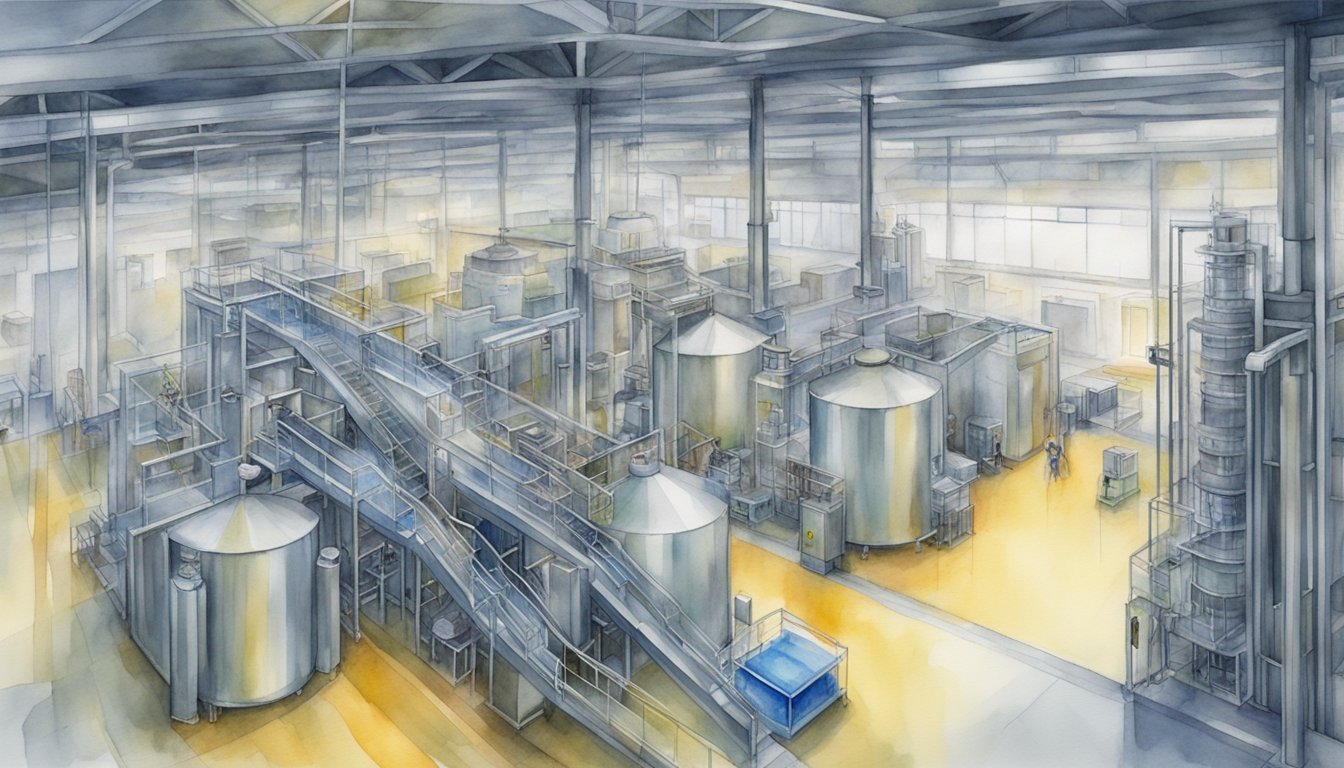
Capital expenditures entail funds used by a company to acquire, upgrade, and maintain physical and intangible assets. Examples include purchases of equipment, machinery, software, vehicles, buildings, and property. When a business invests in new technology or upgrades existing infrastructure, these costs are categorized as CapEx. For instance, installing advanced extraction methods or acquiring bioprocessing equipment falls under this category.
Differences Between CapEx and OpEx
Capital expenditures (CapEx) and operating expenses (OpEx) serve distinct purposes in a business. While CapEx involves spending on long-term investments such as property and equipment, OpEx covers day-to-day operational costs like salaries, utilities, and supplies. CapEx is capitalized, meaning the cost is spread over the asset’s useful life, whereas OpEx is expensed immediately, impacting the company’s financial statements differently.
Importance of Capital Expenditures for Growth and Efficiency
Investing in capital expenditures is crucial for a company’s growth and efficiency. Acquiring new technology or upgrading infrastructure can improve operational performance and competitive advantage. For example, investing in advanced bioprocessing equipment can enhance production capabilities. Additionally, these investments in tangible assets like buildings and machinery support long-term strategic goals, fostering sustained growth and innovation. Properly managing CapEx ensures financial health and drives the company’s future success.
Accounting for Capital Expenditures
Capital expenditures for new technologies, such as advanced extraction methods or bioprocessing equipment, are meticulously recorded and amortized according to specific accounting standards.
Recording Capital Expenditures on Financial Statements
Capital expenditures are initially recorded on the balance sheet as assets. These expenditures include the costs to acquire, upgrade, or install the new technology. The income statement captures the related depreciation expense over the useful life of the asset.
The cash flow statement reflects the cash outflows associated with these investments under investing activities. Following GAAP or IFRS guidelines, companies ensure that financial reporting remains transparent and consistent. Accurate recording impacts key financial metrics, such as book value and taxable income.
Capitalization of Assets and Initial Valuation
Assets resulting from capital expenditures are capitalized, meaning their costs are added to the balance sheet rather than expensed immediately. The initial valuation of these assets includes all costs directly attributable to getting the technology ready for use. This covers purchase price, installation fees, and any other necessary expenditures.
Depreciation is then systematically applied over the asset’s useful life, reducing the asset’s book value and impacting the income statement yearly. Following accounting principles ensures proper financial planning, enhances accuracy in financial reporting, and aligns with industry standards. This process supports the strategic management of long-term investments.
Amortization and Depreciation of Capital Expenditures
Capital expenditures for new technologies, such as advanced extraction methods or bioprocessing equipment, are recorded on the balance sheet as fixed assets. These expenditures are systematically spread out over their useful lives through processes called amortization and depreciation.
Amortizing Intangible Assets
Amortization applies to intangible assets such as patents and software development costs. The cost of these long-term assets is allocated over their useful life.
Amortization expense is recorded annually. The straight-line method is commonly used, where the total cost is divided equally across the asset’s useful life. For example, a patent costing $100,000 with a useful life of 10 years would result in an annual amortization expense of $10,000.
Depreciation Methods for Tangible Assets
Depreciation applies to tangible fixed assets like machinery and equipment. The most common method is straight-line depreciation, dividing the asset’s cost, less its salvage value, evenly over its useful life.
Another method is the declining balance method, which accelerates depreciation by applying a constant rate to the decreasing book value. This results in higher depreciation expenses in the early years and lower expenses later.
Estimating Useful Life and Salvage Value
Estimating the useful life and salvage value of an asset is critical for accurate amortization and depreciation. Useful life is the period over which the asset is expected to be used.
Salvage value is the estimated residual value at the end of its useful life. For example, if a machine costs $50,000 and has a useful life of 8 years with a salvage value of $5,000, the annual depreciation expense using the straight-line method would be:
Depreciation Expense = (Cost – Salvage Value) ÷ Useful Life = (50,000 – 5,000) ÷ 8 = $5,625
These values ensure accurate financial reporting and compliance with accounting standards.
Capital Expenditures and Business Strategy
Capital expenditures (CapEx) are essential for fostering growth, maintaining competitiveness, and ensuring long-term value through investments in new technology such as advanced extraction methods or bioprocessing equipment.
Forecasting and Budgeting for CapEx
Effective forecasting and budgeting are crucial for optimal CapEx management. Businesses must project future financial needs based on market trends, technological advancements, and economic conditions. Accurate forecasting allows management to allocate resources efficiently, prioritizing projects that promise the highest return on investment (ROI). Budgeting ensures financial discipline, facilitating investments in innovation and product development while balancing short-term costs with long-term economic benefits.
Impact on Long-Term Value and Competitive Position
Investing in new technologies through CapEx can significantly enhance a company’s long-term value and competitive edge. Advanced equipment and processes improve operational efficiency, reduce costs, and enable the development of superior products. This strategic allocation of resources supports sustained growth, a strong market position, and increased shareholder return. A focus on CapEx for technological innovations ensures that businesses stay ahead of competitors by adapting to changing industry dynamics.
Capital Expenditures in Response to Technological Advancements
Technological advancements drive continuous investment in CapEx. Staying current with innovations like bioprocessing equipment or advanced extraction methods is vital. Businesses must respond proactively by updating or acquiring new technologies to remain competitive. This involves not only purchasing cutting-edge equipment but also re-evaluating and upgrading existing assets. The integration of emerging technologies into business processes facilitates improved performance, better product quality, and enhanced market responsiveness, contributing to overall strategic goals.
Capital Expenditures and Operational Considerations
Investing in new technologies involves both strategic and operational dimensions. This section focuses on managing and maintaining capital assets and achieving operational efficiency through these technological investments.
Managing and Maintaining Capital Assets
Managing capital assets such as advanced extraction methods or bioprocessing equipment requires diligent planning and resources.
Effective management can enhance cash flow by extending asset life and reducing unexpected operational expenses. Maintenance and repair are crucial, incorporating both routine checks and emergency interventions.
Organizations often prioritize integrated maintenance schedules to prevent downtime. This ensures that assets such as manufacturing equipment and hardware perform efficiently and supports day-to-day operations.
Accurate spending on maintenance vs. repairs is essential. Overinvesting reduces profitability, and underinvesting can lead to frequent breakdowns. Tracking these expenses is fundamental for future growth and sustainability.
Operational Efficiency Through New Technologies
Implementing new technologies can significantly improve operational efficiency.
Advanced assets like bioprocessing equipment streamline operations, reduce waste, and support higher throughput. This is particularly critical for manufacturing environments where efficient asset utilization directly impacts productivity.
Shifting to advanced technologies also influences operating expenses (OpEx). While initial capital expenditures (CapEx) might be high, long-term operational cost savings often justify these investments. Modern technologies often demand less frequent repair and offer enhanced reliability, reducing operational disruptions.
Effective management of these assets allows firms to optimize cash flow and align capital investments with operational capabilities, fostering sustainable growth and competitive advantage. Investing in new technologies should be underpinned by thorough operational analysis and alignment with overall business objectives.
Regulatory and Tax Implications of Capital Expenditures
Capital expenditures (CapEx) for new technologies, such as advanced extraction methods or bioprocessing equipment, must adhere to specific regulatory and tax requirements. These regulations impact how companies report these expenditures and calculate their tax liabilities, affecting net income and profitability.
Compliance with Tax Regulations and Accounting Standards
Compliance with tax regulations is essential for correctly reporting CapEx. Companies must classify these costs accurately under property, plant, and equipment (PP&E) and adhere to guidelines for capitalization.
Accounting standards, such as Generally Accepted Accounting Principles (GAAP) and International Financial Reporting Standards (IFRS), provide frameworks for recording CapEx. They dictate whether an expenditure can be capitalized or must be expensed immediately.
Tax compliance involves ensuring that recorded CapEx aligns with tax laws. This might include obtaining necessary documentation, maintaining detailed records, and following prescribed depreciation methods to allocate costs over the asset’s useful life.
Effects of CapEx on Tax Liabilities and Net Income
Capital expenditures affect a company’s tax liabilities and net income significantly. Depreciation of assets reduces taxable income over multiple periods, impacting tax payable and improving cash flows.
By investing in advanced technologies, companies can potentially qualify for tax credits or incentives designed to promote innovation and environmental sustainability. This includes deductions related to research and development (R&D) activities, which further reduce the tax burden.
However, recording CapEx also increases a company’s asset base, which can affect debt covenants and borrowing capacity. Proper management ensures that companies balance investing activities with revenue generation and ongoing operating expenses like utilities and salaries.
Analyzing Capital Expenditures
Understanding how capital expenditures (CapEx) are recorded and analyzed is critical for informed investment decisions and accurate financial reporting. Key aspects include reviewing CapEx in financial statements and calculating depreciation and amortization.
Reviewing CapEx in Financial Statements for Investment Decisions
Capital expenditures are typically reflected in three main financial statements: the balance sheet, the income statement, and the cash flow statement.
On the balance sheet, CapEx appears as an increase in fixed assets. It is recorded at the purchase price and may include costs related to bringing the asset to its intended use. This impacts the book value of the asset.
In the income statement, the depreciation of these capital assets is recorded as an expense. This affects net income but does not influence cash flow directly.
The cash flow statement captures CapEx under investing activities. When analyzing, investors and managers consider how CapEx impacts cash flow, as significant outlays can affect liquidity and financing needs.
Calculating Depreciation and Amortization in Financial Analysis
Depreciation and amortization are methods used to allocate the cost of tangible and intangible assets over their useful lives, respectively.
Depreciation applies to physical assets like machinery. Common methods include straight-line and declining-balance depreciation. For example, under straight-line depreciation, an asset costing $10,000 with a 5-year life would depreciate $2,000 annually.
Amortization deals with intangible assets like patents. It is similar to depreciation but concerns assets without physical form. Amortization affects both the income statement and balance sheet, spreading costs to match revenue generation.
Both depreciation and amortization influence net income and are essential for accurate financial analysis. They ensure that expenses are matched with the revenues they help to generate, aiding in performance evaluation and customer pricing strategies.
Frequently Asked Questions
This section addresses common inquiries about the recording and amortizing of capital expenditures for new technologies and advanced equipment within an accounting system.
How is the capital expenditure process typically accounted for in financial statements?
Capital expenditures are recorded as assets on the balance sheet. These are not expensed immediately but are capitalized, meaning the cost is spread over the useful life of the asset through depreciation.
What methods are employed to decide on capital expenditures in the technology sector?
Businesses often rely on financial analyses such as Return on Investment (ROI), Net Present Value (NPV), and Internal Rate of Return (IRR). These methods evaluate the potential benefits versus the costs and risks of the investment in new technology.
In the context of information technology, what qualifies as a capital expenditure?
Capital expenditures in IT include major purchases like hardware, software, and infrastructure projects. These assets must provide long-term value and not be consumed within a single fiscal period.
How is capital expenditure for new equipment recorded on the balance sheet?
New equipment purchases are initially recorded at cost as a fixed asset. Over time, the value of this equipment is depreciated based on its expected useful life, impacting the balance sheet and income statement.
What are the guidelines for amortizing capital expenditures related to advanced technological investments?
Amortization of capital expenditures for technology involves systematically expensing the cost over the useful life of the asset. The method and rate of amortization are determined by accounting standards and the nature of the technology.
Can you differentiate between capital expenditures and operating expenses in the realm of bioprocessing equipment?
Capital expenditures for bioprocessing equipment are long-term investments in physical assets, such as reactors or purification systems. Operating expenses, on the other hand, include day-to-day expenditures like maintenance, utilities, and supplies, which are expensed in the period they are incurred.
Leave a Reply