
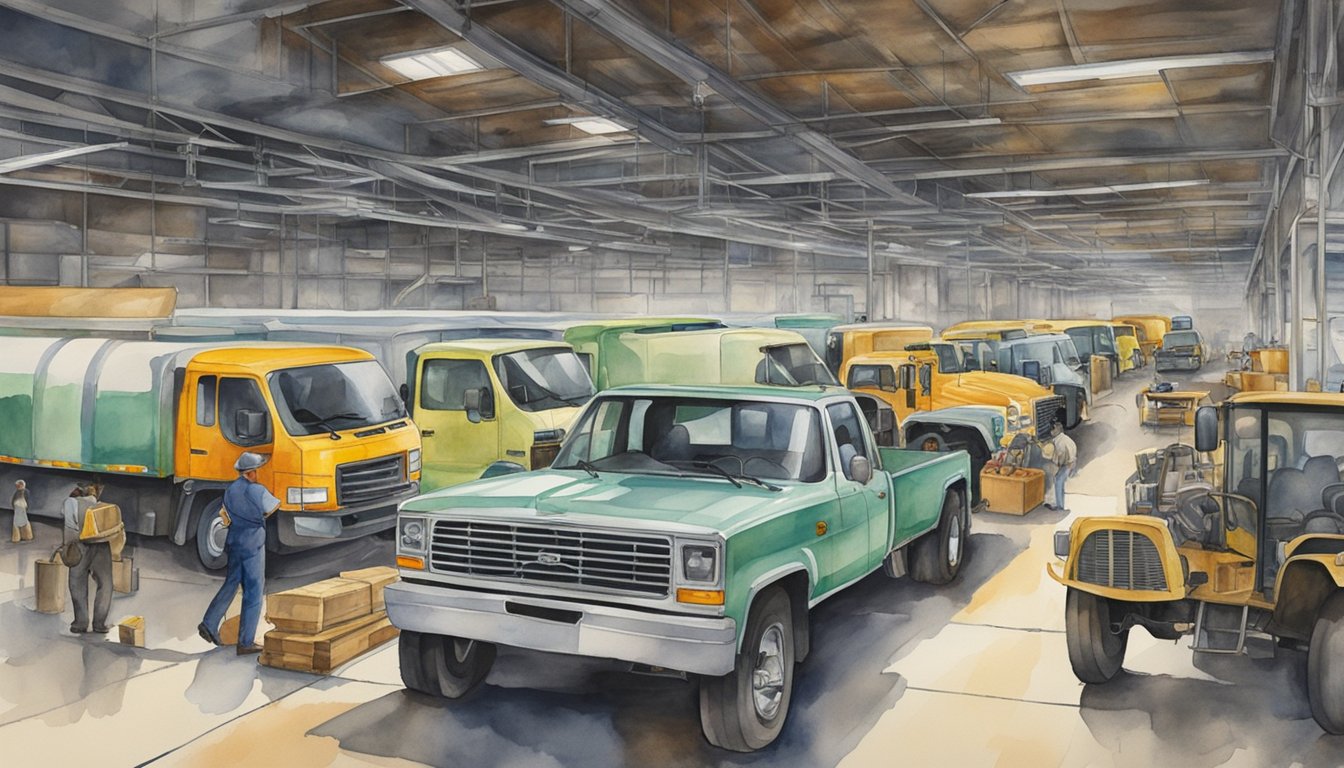
Overview of Fleet Maintenance and Repair
In an industry where operational reliability is crucial, fleet maintenance and repair are vital components of fleet management. They ensure the longevity, safety, and efficiency of transportation vehicles.
Importance of Fleet Maintenance
Fleet maintenance is critical to the transportation industry as it directly impacts vehicle uptime and safety. Regular maintenance routines prevent breakdowns and the subsequent costly repairs, ensuring fleets remain operational. Consistent maintenance also helps identify the need for potential repairs, keeping maintenance costs predictable and manageable. When maintenance is deferred, fleets experience higher repair costs and increased downtime.
Role of Maintenance in Fleet Management
Fleet management relies heavily on effective maintenance strategies. By continuously monitoring the condition of each vehicle, fleet managers can schedule timely maintenance to extend asset life and improve the resale value of the vehicles. Maintenance schedules are often guided by both manufacturer recommendations and real-time data analytics. Identifying and responding to trends, like increased brake wear during certain operations, allows companies to adjust their maintenance approaches proactively.
Understanding Repair Costs and Budgeting
Repair costs are a variable component in the budgeting process. They are influenced by factors such as vehicle age, usage, and type. A clear understanding of these costs is essential for accurate budgeting. Fleet managers need to analyze past expenditure and predict future costs, with the aim of setting aside a realistic maintenance and repair budget. Tracking these costs over time reveals patterns that can inform decisions concerning vehicle replacement or the economic feasibility of continued repairs.
Fleet Maintenance Management
Effective fleet maintenance management is critical for transportation companies to ensure vehicle reliability, optimize performance, and control costs. Through meticulous oversight, fleet managers are tasked with keeping vehicles and equipment in prime operational condition.
Responsibilities of Fleet Managers
Fleet managers have a comprehensive role that involves overseeing all aspects of a company’s vehicles, ranging from acquisition to disposal. They are accountable for keeping maintenance and repair records, identifying units with high costs, and assigning vehicles to be retired based on those insights. Their decisions significantly impact the overall efficiency and budget of the maintenance operations.
Maintenance Schedules and Strategies
Scheduled maintenance is a fundamental component of fleet maintenance. To avoid downtime and extend the lifespan of vehicles, fleet managers implement maintenance schedules that are often based on mileage, engine hours, or time intervals. Strategic planning for these schedules involves:
- Preventive maintenance: Regular checks and servicing to mitigate the risk of sudden breakdowns.
- Predictive maintenance: Utilizing data analytics to anticipate and address potential issues before they escalate.
Choosing Between In-House and Outsourced Maintenance
When determining how to conduct maintenance and repair, companies must consider the advantages and efficiency of in-house versus outside service providers:
| In-House Maintenance | Outsourced Maintenance |
|---|---|
| Offers direct control over the quality and timing of work. | Can reduce overhead costs associated with staffing and equipment. |
| Requires investment in facilities, tools, and training. | Provides access to specialized expertise not available internally. |
The decision is influenced by factors such as cost, control, convenience, and capability. Transportation companies must weigh these considerations to choose the best approach for their fleet maintenance management needs.
Maintenance Tracking and Technologies
Transportation companies are increasingly leveraging technology to optimize maintenance tracking and control costs. Advances in software and analytics are transforming how fleets manage vehicle health and performance.
Adoption of Fleet Maintenance Software
Fleet maintenance software has become central to how transportation companies manage their maintenance operations. This technology allows for the centralization of data related to vehicles and equipment. These platforms typically feature:
- Automated work order generation: Ensures timely maintenance tasks.
- Real-time tracking: Provides current information about the state of assets.
- Cost tracking: Monitors and records maintenance expenses.
This automation and record-keeping facilitate more efficient maintenance scheduling and can lead to a reduction in vehicle downtime and overall maintenance costs.
Technological Tools for Predictive Maintenance
Predictive maintenance technology utilizes vehicle data to forecast upcoming maintenance needs. Key aspects include:
- Analytics: Examines historical data to predict future maintenance requirements.
- Automated alerts: Notifies managers of necessary preventative actions to avoid major repairs.
By analyzing patterns within vehicle performance data, transportation companies can move from a reactive to a proactive maintenance approach, saving on costly emergency repairs.
Integration of VMRS Codes and Asset Management
Vehicle Maintenance Reporting Standards (VMRS) codes are essential for categorizing fleet maintenance processes and costs. By integrating VMRS codes with asset management systems, companies can:
- Simplify reporting: Standardized codes allow for uniform reporting across various assets.
- Enhance analytics: With detailed VMRS data, companies can gain insights into maintenance trends and cost drivers.
Asset management technologies assist in tracking the performance and maintenance history of each vehicle, ensuring efficient utilization and longer service life.
Cost Management
Effective cost management in transportation maintenance entails careful monitoring of expenses, detailed analysis of labor and parts costs, and ongoing efforts for efficiency and cost optimization. These components are essential for businesses to control operating costs and enhance their bottom line.
Monitoring and Controlling Maintenance Expenses
Transportation companies meticulously track maintenance and repair costs through the use of fleet management software, which provides real-time monitoring of such expenses. These systems record every instance of maintenance, including the cost of fuel, labor, and replacement parts. Organizing maintenance and repair records helps to prevent unnecessary expenditures and establish a predictable maintenance budget.
Labor and Parts Cost Analysis
Analyzing labor costs and the price of parts is crucial for comprehensive cost management. Companies scrutinize invoices and inventory records to assess the efficiency of their labor and to confirm that parts costs are in line with their asset management plans. This involves determining the fairest prices for quality components and ensuring that labor is utilized effectively to reduce waste and streamline operating expenses.
Efficiency and Cost Optimization
Transportation businesses strive for high efficiency to lower maintenance-related costs without compromising the quality of their service. They employ strategies like preventive maintenance to extend the lifespans of assets, thereby minimizing downtime and associated costs. By optimizing fleet utilization and ensuring that vehicles operate within their design specifications, companies can significantly reduce their overall maintenance expenses and positively affect their bottom line.
Operational Reliability and Safety
Operational reliability and safety are critical aspects for transportation companies, directly influencing maintenance schedules and the overall efficiency of fleet operations. Proper tracking and accounting for maintenance and repair costs are essential to operating safely and ensuring that vehicles and equipment can perform their duty cycles without unexpected downtime.
Ensuring Vehicle and Equipment Safety
Safety is non-negotiable in the transportation industry. A stringent maintenance schedule is adhered to, involving regular inspections and preventive actions that target potential safety issues before they escalate. Prioritizing safety-related maintenance tasks is crucial, such as:
- Regular brake checks and replacements
- Tire inspections and rotations
- Ensuring all lights and signals are operational
These measures ensure the fleet maintenance operations contribute to the safety of not only the drivers but also the general public.
Reliability and Duty Cycles
The reliability of vehicles is determined by their duty cycles, which describe the operational pattern and load that each vehicle undergoes. Monitoring these cycles helps companies predict maintenance needs and schedule services to prevent breakdowns. Key factors include:
- Hours of operation
- Distance traveled
- Load weight
By aligning maintenance activities with duty cycles, fleets can operate more efficiently, avoiding the ripple effects of unscheduled downtime on logistics and customer service.
Impact of Maintenance on Fleet Efficiency
Efficient fleet maintenance practices impact a company’s bottom line by improving the overall efficiency of operations. A well-maintained fleet experiences fewer breakdowns, leading to more reliable service delivery. To enhance efficiency, maintenance records are meticulously maintained and reviewed, ensuring:
- Optimal allocation of maintenance resources
- Reduction in fuel consumption due to well-maintained engines
- Lower frequency of major repairs through proactive maintenance
These practices are essential for maintaining operational excellence and upholding the company’s reputation for dependability.
Organizational Challenges
Transportation companies face nuanced hurdles in tracking and accounting for maintenance and repair costs of vehicles and equipment. The complexities mount as they navigate supply chain intricacies, demand surges, and the aging of their fleets.
Dealing with Supply Chain Issues
Issues within the supply chain can significantly influence the availability and cost of replacement parts for vehicles. Transportation companies must monitor global trends and patterns, anticipating delays and shortages. Supply chain disruptions lead to increased downtime for trucks waiting on parts, which impacts both maintenance scheduling and overall costs.
Managing Fleet During High Demand Periods
During periods of high demand, the stress on fleet vehicles is palpable, with maintenance often taking a backseat to operational needs. Transportation companies must balance the imperative of meeting delivery targets with the necessity of vehicle upkeep. Failures during these windows are not just costly in terms of repairs, but also in potential revenue loss.
Age and Replacement of Vehicles
The age of the vehicle plays a crucial role in the frequency and cost of maintenance. As trucks and other fleet vehicles age, they often require more frequent repairs. Transportation companies must strategize the timing for vehicle replacements, weighing the ongoing maintenance costs against the investment in new vehicles. Tracking the cost-effectiveness of maintenance for older vehicles is vital to managing long-term operating expenses.
Performance Monitoring and Improvement
In transportation companies, the ongoing tracking and refining of maintenance and repair activities is crucial. These processes involve systematic assessment, periodic benchmarking, and the proactive management of vehicle upkeep to ensure cost-effectiveness and reliability.
Benchmarking and Performance Metrics
Benchmarking and performance metrics are integral for transportation fleets to measure maintenance effectiveness against industry standards and historical data. Key performance indicators (KPIs) such as fuel economy, total maintenance spend, and repair trends offer actionable insights. Regular analysis of these KPIs bridges the gap between actual performance and targets, helping companies prioritize areas for cost savings and efficiency enhancements.
- PM Compliance: Tracking scheduled maintenance to prevent costly repairs.
- Repair Spend: Analyzing costs to identify opportunities for savings.
- Fuel Economy: Assessing fuel usage efficiency to indicate potential maintenance needs.
Identifying and Addressing Common Failures
Understanding and addressing common equipment failures are essential to minimize downtime and repair costs. By scrutinizing repair trends and tracking instances of comebacks (repeat repairs), companies can identify areas where maintenance practices need improvement. Proactive strategies include:
- Enhancing quality control measures during repairs.
- Training technicians on failure pattern recognition.
This approach ensures that the vehicles remain in optimal condition and helps reduce the frequency and severity of equipment failures over time.
Continuous Improvement in Maintenance Processes
The pursuit of continuous improvement within maintenance processes is a dynamic, ongoing effort that involves:
- Review of repair data to initiate corrective actions.
- Adoption of new technologies or practices that advance maintenance efficiency.
- Regular feedback loops between maintenance crews and management.
Iterative refinement of the maintenance workflow leads to improved vehicle uptime and reduces overall maintenance-related expenses. By fostering a culture of continuous improvement, transportation companies bolster their competitiveness and service reliability.
Industry Insights and Relationships
The transportation industry heavily invests in tracking and optimizing maintenance and repair costs through partnerships and benchmarking strategies to maintain fiscal responsibility and operational efficiency.
Collaboration with Parts Suppliers and Service Providers
Transportation companies foster strong collaborations with parts suppliers and service providers to ensure cost-effective and timely vehicle maintenance. These partnerships allow for negotiated pricing on parts and streamlined services which are vital for keeping maintenance schedules on track and costs under control.
Surveying and Learning from Industry Leaders
Through surveys and research, industry leaders gain comprehensive insights into maintenance and repair cost trends. Benchmarking against these leaders helps transportation companies to understand where they stand in terms of member costs and identify opportunities to improve their maintenance strategies.
Jane Clark on Fleet Maintenance Excellence
Jane Clark, Vice President of Member Services at NationaLease, emphasizes the importance of in-depth knowledge in managing fleet maintenance. Monitoring spending allows for better control over maintenance operations by highlighting areas that may require adjustments or optimizations to ensure fleet efficiency and safety.
Workforce Management in Fleet Servicing
Workforce management is a crucial aspect of maintaining a fleet’s operational efficiency. With a strong emphasis on skilled labor and strategic staffing, transportation companies streamline maintenance tasks to minimize vehicle downtime and optimize labor costs.
Role of Recruitment Agencies in Maintenance Staffing
Recruitment agencies such as Randstad and Manpower Inc play a significant role in the staffing of maintenance personnel for transportation companies. They specialize in finding qualified mechanics and technicians who can meet the industry’s evolving demands. By utilizing these agencies, companies can manage fluctuating workforce needs and find workers with specialized skills swiftly to maintain service levels.
Training and Skill Development for Maintenance Personnel
Continued education and training ensure maintenance personnel are up-to-date with the latest vehicle technologies and repair techniques. Programs offered by third-party providers like QPS Cos and Pro Staff can equip the workforce with the necessary competencies, thereby increasing the efficiency of maintenance operations. Providing such opportunities for skill development also aids in retention by fostering a sense of career progress.
Labor Force Challenges in the Transportation Industry
The transportation industry faces various labor challenges, including high turnover and the skilled labor shortage which directly impact labor costs. These challenges necessitate a flexible yet effective approach to workforce management, ensuring that staffing levels are aligned with maintenance demands. Companies must navigate these issues to prevent delays in vehicle servicing and to control the associated costs of maintenance.
Frequently Asked Questions
Efficient tracking and accounting for maintenance and repair costs are critical for the profitability and operational effectiveness of transportation companies. These FAQs address the methods and strategies utilized in managing these expenses.
What methods are used to track fleet maintenance and repair expenses?
Transportation companies employ various methods to track fleet maintenance and repair expenses, including specialized software that captures and analyzes data such as service intervals, parts used, and labor costs. They also often use manual tracking systems like spreadsheets or dedicated ledgers.
What strategies are implemented to minimize operational costs in trucking?
To minimize operational costs, trucking companies implement strategies such as regular preventive maintenance schedules, investing in training for in-house mechanics, optimizing routes to reduce wear and tear, and using benchmarking to set performance standards.
How frequently should fleet maintenance records be updated to ensure accurate cost tracking?
Fleet maintenance records should be updated in real-time or as close to it as possible. After each maintenance or repair event, the records must be revised to maintain accurate and up-to-date tracking of expenses.
What tools are available to calculate the cost per mile for fleet maintenance?
There are various tools available to calculate fleet maintenance cost per mile, ranging from fleet management software that integrates expense tracking to custom spreadsheets designed to factor in all associated costs like parts, labor, and overhead.
How do transportation companies differentiate between fixed and variable costs in fleet management?
Transportation companies differentiate between fixed costs, such as insurance and vehicle payments, which are constant, and variable costs, like fuel and maintenance, which fluctuate based on usage and other factors, to achieve a comprehensive view of their financial performance.
What documentation is essential for effective record keeping in a trucking business?
Essential documentation for record keeping in a trucking business includes service receipts, work orders, parts invoices, driver logs for mileage, and fuel consumption records. Accurate documentation is crucial for cost assessment and regulatory compliance.
Leave a Reply