
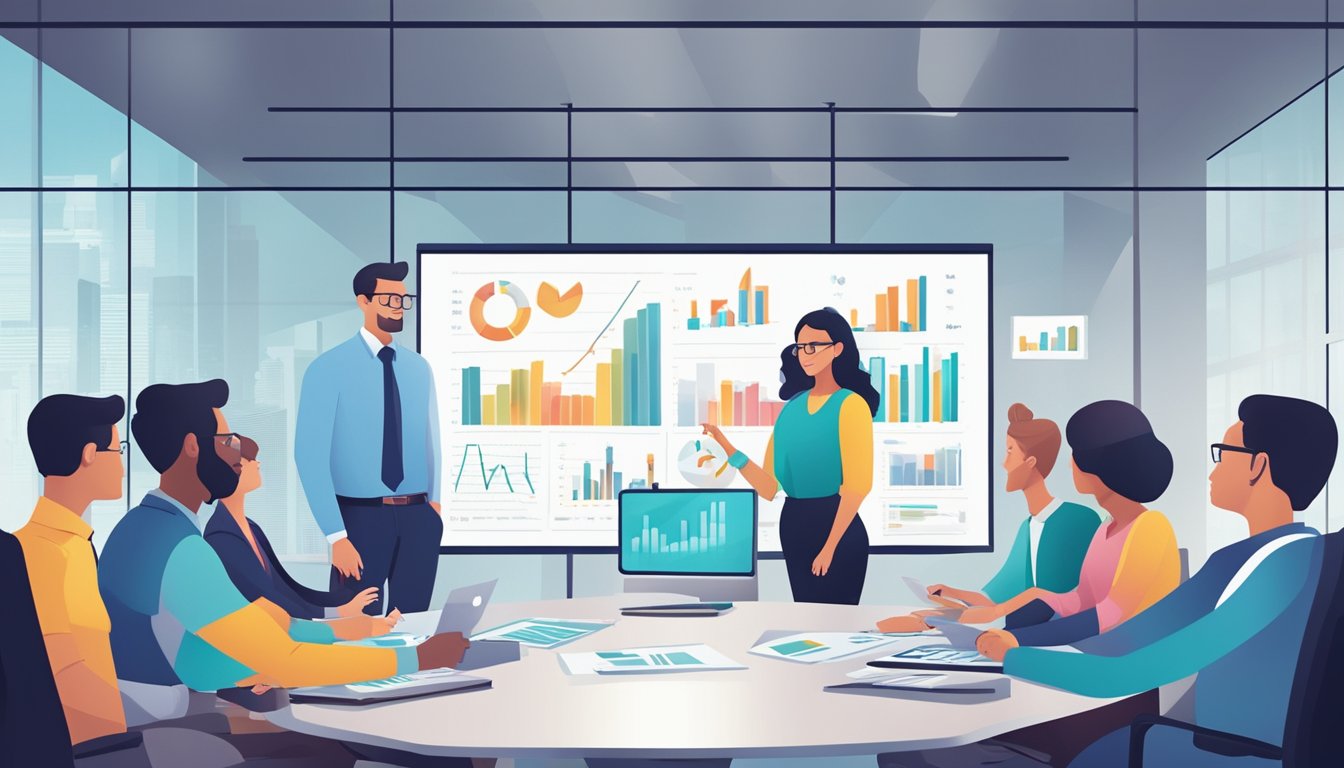
Revolutionizing Accounting: Key Trends and Technologies Shaping the Future
Introduction
The future of accounting is poised to undergo significant transformations driven by emerging trends and technologies. As businesses increasingly adopt digital solutions, the role of accountants is shifting from traditional number-crunching to strategic advisory. This evolution is influenced by advancements in automation, artificial intelligence, and blockchain technology. Automation is streamlining routine tasks, allowing accountants to focus on more complex and value-added activities. Tools powered by artificial intelligence are enhancing data accuracy and providing deeper insights through predictive analytics. These technologies not only improve efficiency but also enable accountants to offer more strategic guidance to their clients or organizations. Blockchain technology is another game-changer in the accounting field, promising greater transparency and security in financial transactions. By providing a decentralized ledger, blockchain reduces the risk of fraud and errors, making audits more straightforward and reliable. Accountants will need to develop new skills to leverage these technologies effectively, ensuring they remain relevant in a rapidly changing landscape.
1. Automation and Artificial Intelligence
Automation and Artificial Intelligence are revolutionizing the accounting industry by streamlining repetitive tasks and enhancing accuracy. Automated systems can handle data entry, invoice processing, and reconciliations, freeing up accountants to focus on more strategic activities. This shift not only increases efficiency but also reduces the risk of human error. AI-powered tools are also providing deeper insights through advanced data analytics. These tools can analyze large datasets to identify patterns, trends, and anomalies that might be missed by human analysis. This capability allows accountants to offer more informed advice and make proactive decisions. Furthermore, AI and automation are enhancing compliance and regulatory adherence. By continuously monitoring transactions and flagging potential issues, these technologies help ensure that accounting practices remain within legal and ethical boundaries. This proactive approach to compliance can save organizations from costly penalties and reputational damage.
1. 1. Robotic Process Automation (RPA)
Robotic Process Automation (RPA) is revolutionizing the accounting industry by automating repetitive, rule-based tasks. This technology allows accountants to focus on more strategic activities by reducing the time spent on mundane processes such as data entry, invoice processing, and reconciliation.
RPA leverages software robots to perform tasks with high accuracy and speed, minimizing human error. As a result, accounting firms can achieve greater efficiency and consistency in their operations, leading to improved client satisfaction and reduced operational costs.
Looking ahead, the integration of RPA with artificial intelligence and machine learning is expected to further enhance its capabilities. This will enable more complex decision-making processes to be automated, pushing the boundaries of what is possible in the accounting field and setting the stage for a more innovative and efficient future.
1. 2. AI and Machine Learning
Artificial Intelligence (AI) and Machine Learning (ML) are revolutionizing the field of accounting by automating routine tasks and enhancing decision-making processes. These technologies can handle vast amounts of data with accuracy and speed, making them invaluable for tasks such as auditing, tax preparation, and financial forecasting. By leveraging AI and ML, accountants can focus on more strategic activities, thereby increasing their productivity and value to the organization. AI and ML are also enhancing the accuracy of financial reporting and compliance. Algorithms can detect anomalies and potential fraud more efficiently than traditional methods, reducing the risk of errors and financial misstatements. This increased reliability helps build trust with stakeholders and ensures that companies remain compliant with regulatory standards. Furthermore, AI and ML provide predictive analytics that can offer insights into future financial trends and performance. By analyzing historical data, these technologies can forecast future outcomes, helping businesses make informed decisions. This capability is particularly useful for strategic planning and risk management, as it allows companies to anticipate challenges and opportunities in advance.
2. Blockchain Technology
Blockchain technology is poised to revolutionize the field of accounting by providing a secure, transparent, and immutable ledger for financial transactions. This technology eliminates the need for intermediaries, reducing the risk of fraud and errors while enhancing the accuracy of financial records. As a result, accountants can focus more on analysis and strategic planning rather than on manual data entry and reconciliation. One of the most significant benefits of blockchain in accounting is its ability to provide real-time updates and verification of transactions. This feature ensures that all parties involved have access to the same information simultaneously, fostering trust and collaboration. Additionally, the decentralized nature of blockchain makes it highly resistant to hacking, further securing sensitive financial data. Moreover, the implementation of smart contracts within blockchain technology can automate various accounting processes, such as invoicing and payroll. Smart contracts execute predefined conditions automatically, reducing the need for manual oversight and minimizing human error. This automation not only increases efficiency but also allows accountants to allocate their time to more value-added tasks, such as financial analysis and strategic decision-making.
2. 1. Enhanced Security and Transparency
In the future of accounting, enhanced security and transparency are paramount as digital transformation continues to reshape the industry. Advanced technologies such as blockchain are being integrated to ensure immutable and transparent record-keeping, reducing the risk of fraud and errors. This shift not only safeguards sensitive financial data but also fosters trust among stakeholders.
Moreover, the adoption of artificial intelligence and machine learning in accounting systems enhances the ability to detect anomalies and potential security breaches in real-time. These technologies provide accountants with powerful tools to analyze vast amounts of data quickly, ensuring compliance with regulatory standards. As a result, organizations can maintain a higher level of integrity in their financial reporting.
Transparency is further bolstered by the implementation of automated processes and smart contracts, which streamline transactions and reduce the need for manual intervention. This automation minimizes human error and ensures that all financial activities are accurately recorded and easily auditable. Consequently, stakeholders gain better visibility into an organization’s financial health, leading to more informed decision-making.
2. 2. Smart Contracts
Smart contracts are revolutionizing the accounting industry by automating and securing transactions. These self-executing contracts with the terms of the agreement directly written into code can significantly reduce the need for intermediaries. This not only cuts costs but also minimizes the risk of human error and fraud. In the future, smart contracts could become a standard practice in accounting, ensuring real-time verification and transparency. They enable automated compliance with regulations, as all transactions are recorded on a tamper-proof blockchain. This could lead to more efficient audits and faster financial reporting. Moreover, smart contracts can streamline various accounting processes such as payroll, invoicing, and asset management. By reducing the administrative burden, accountants can focus more on strategic planning and advisory roles. This shift will likely enhance the value accountants bring to their organizations, making them indispensable in the evolving financial landscape.
3. Cloud Computing
Cloud computing is revolutionizing the accounting industry by providing scalable, efficient, and cost-effective solutions. Accountants can now access financial data and software applications from anywhere, enhancing flexibility and productivity. This shift reduces the need for physical storage and infrastructure, leading to significant cost savings. The integration of cloud computing in accounting allows for real-time data analysis and reporting. This capability enables accountants to make more informed decisions quickly and accurately. Additionally, it facilitates seamless collaboration among team members and clients, improving overall workflow and client satisfaction. Security concerns are often cited as a barrier to cloud adoption, but modern cloud solutions offer robust security measures. These include data encryption, multi-factor authentication, and regular security audits. As a result, sensitive financial information is well-protected, giving businesses peace of mind while leveraging the benefits of cloud technology.
3. 1. Accessibility and Collaboration
The future of accounting is being shaped by advancements in technology that enhance accessibility and collaboration. Cloud-based accounting software allows professionals to access financial data from anywhere, at any time, facilitating real-time collaboration among team members. This shift not only improves efficiency but also ensures that all stakeholders have the most up-to-date information. Furthermore, the integration of artificial intelligence and machine learning in accounting systems is streamlining routine tasks, freeing up accountants to focus on strategic decision-making. These technologies enable seamless collaboration by automating data entry and analysis, reducing the margin for error and allowing for more accurate financial forecasting. As a result, accounting professionals can work together more effectively, leveraging each other’s strengths to provide better client service. In addition, the rise of mobile applications and remote work tools is transforming how accounting teams operate. These tools support a more flexible work environment, making it easier for accountants to collaborate across different time zones and locations. This increased accessibility ensures that accounting services can be delivered more efficiently, meeting the evolving needs of businesses in a globalized economy.
3. 2. Cost Efficiency
The future of accounting is heavily influenced by the drive towards cost efficiency, primarily through the adoption of advanced technologies. Automation tools, such as robotic process automation (RPA) and artificial intelligence (AI), are reducing the time and labor costs associated with routine accounting tasks. These technologies allow accountants to focus on more strategic activities, thereby enhancing overall productivity and reducing operational expenses. Cloud-based accounting solutions are another significant trend contributing to cost efficiency. By leveraging cloud technology, firms can minimize the need for expensive on-premise infrastructure and reduce maintenance costs. Additionally, cloud solutions offer scalable pricing models, enabling businesses to pay only for the services they use, which further optimizes their budget. Furthermore, the integration of blockchain technology promises to streamline accounting processes by providing a transparent and immutable ledger. This reduces the need for extensive audits and reconciliations, cutting down on both time and costs. As these technologies continue to evolve, they will play a crucial role in making accounting practices more cost-effective and efficient.
4. Data Analytics and Big Data
Data analytics and big data are revolutionizing the accounting industry by providing deeper insights and more accurate financial forecasting. With the ability to process vast amounts of data from various sources, accountants can now identify trends and patterns that were previously undetectable. This enhances decision-making and strategic planning for businesses. The integration of big data allows for real-time monitoring and analysis, which is crucial for maintaining financial health and compliance. Accountants can leverage advanced analytics to detect anomalies and potential fraud, ensuring the integrity of financial records. This shift towards data-driven accounting practices is making the profession more proactive rather than reactive. Moreover, the use of predictive analytics in accounting is becoming increasingly common. By analyzing historical data, accountants can forecast future financial outcomes and prepare for potential challenges. This forward-looking approach helps businesses stay competitive and agile in a rapidly changing economic landscape.
4. 1. Enhanced Decision-Making
In the future of accounting, enhanced decision-making will be driven by advanced data analytics and artificial intelligence. These technologies will enable accountants to analyze vast amounts of financial data more efficiently, uncovering insights that were previously hidden. As a result, accountants will be able to provide more strategic advice to their clients or organizations.
Moreover, real-time data processing will allow for more timely and accurate financial reporting. This will help businesses make informed decisions quickly, adapting to market changes and opportunities with greater agility. Enhanced decision-making capabilities will thus become a crucial competitive advantage in the accounting industry.
Additionally, predictive analytics will play a significant role in forecasting future financial trends and outcomes. By leveraging historical data and advanced algorithms, accountants can anticipate potential risks and opportunities. This proactive approach will enable better financial planning and risk management, ensuring long-term business sustainability.
4. 2. Predictive Analytics
Predictive analytics is revolutionizing the accounting industry by enabling firms to forecast financial trends and outcomes with greater accuracy. By leveraging historical data and advanced algorithms, accountants can predict future financial scenarios, allowing businesses to make more informed strategic decisions. This technology not only enhances financial planning but also helps in identifying potential risks and opportunities. The integration of predictive analytics in accounting is also streamlining processes such as budgeting, cash flow management, and financial reporting. Automation of these tasks reduces the time spent on manual data entry and analysis, thus increasing efficiency and reducing the likelihood of human error. Consequently, accounting professionals can focus on higher-value activities like strategic advising and business development. Moreover, predictive analytics fosters a proactive approach to financial management. Rather than reacting to financial issues as they arise, accountants can anticipate and mitigate potential problems before they impact the business. This shift from a reactive to a proactive stance is crucial for maintaining financial stability and achieving long-term growth in an increasingly competitive market.
5. Regulatory Technology (RegTech)
Regulatory Technology (RegTech) is revolutionizing the accounting industry by automating compliance tasks and ensuring adherence to ever-evolving regulations. This technology leverages advanced data analytics, machine learning, and artificial intelligence to streamline processes, reduce human error, and enhance accuracy. As regulatory requirements grow more complex, RegTech becomes indispensable for accounting firms aiming to maintain compliance without excessive manual intervention. The integration of RegTech in accounting helps firms stay ahead of regulatory changes by providing real-time updates and automated reporting. This proactive approach minimizes the risk of non-compliance and associated penalties. Moreover, RegTech solutions often come with dashboards and analytics tools that offer insights into compliance status, making it easier for firms to manage and monitor their regulatory obligations. As the future of accounting leans more towards digital transformation, RegTech will play a critical role in ensuring seamless and efficient compliance management. By reducing the administrative burden on accountants, RegTech allows professionals to focus on more strategic tasks and advisory roles. This shift not only improves operational efficiency but also enhances the overall value delivered to clients.
5. 1. Compliance Automation
Compliance automation is emerging as a crucial trend in the future of accounting, driven by advancements in artificial intelligence and machine learning. By automating compliance tasks, accounting firms can significantly reduce the risk of human error and ensure adherence to ever-evolving regulatory standards. One of the key benefits of compliance automation is the ability to handle large volumes of data with speed and accuracy. Automated systems can quickly process transactions, identify discrepancies, and generate reports, allowing accountants to focus on more strategic activities. Moreover, compliance automation tools can provide real-time monitoring and alerts, ensuring that any potential issues are flagged and addressed promptly. This proactive approach not only enhances compliance but also helps in maintaining the integrity and trustworthiness of financial data. As regulatory environments become more complex, the adoption of compliance automation will likely become a necessity rather than an option. Accounting professionals who embrace these technologies will be better positioned to navigate the future landscape of the industry.
5. 2. Real-Time Reporting
Real-time reporting is revolutionizing the accounting industry by enabling instant access to financial data. This trend allows businesses to make informed decisions quickly, enhancing their agility in a competitive market. With the integration of advanced technologies like AI and machine learning, real-time reporting is becoming more accurate and insightful. The future of accounting will heavily rely on real-time reporting to provide a continuous flow of up-to-date information. This shift helps in identifying financial anomalies and trends as they occur, reducing the risk of errors and fraud. Additionally, real-time data can improve regulatory compliance by ensuring that all financial activities are transparent and traceable. As companies adopt cloud-based accounting systems, real-time reporting becomes more accessible and scalable. These systems offer seamless integration with other business tools, facilitating a more cohesive financial management strategy. Ultimately, real-time reporting is set to become a cornerstone of modern accounting practices, driving efficiency and strategic decision-making.
6. Cybersecurity
As the accounting industry increasingly adopts digital technologies, the importance of robust cybersecurity measures cannot be overstated. The rise of cloud-based accounting software and digital financial transactions has made sensitive financial data more vulnerable to cyber threats. Companies must invest in advanced cybersecurity solutions to protect client information and maintain trust. Cybersecurity in accounting is not just about protecting data from external threats; it also involves safeguarding against internal risks. This includes implementing strict access controls and regular audits to detect and prevent unauthorized access or data breaches. Ensuring employees are trained in cybersecurity best practices is equally crucial to mitigate the risk of human error. Looking ahead, the integration of artificial intelligence and machine learning into cybersecurity protocols will play a significant role in the accounting sector. These technologies can help in identifying and responding to threats more quickly and efficiently. As cyber threats continue to evolve, staying ahead of potential risks will be a key priority for accounting firms.
6. 1. Protecting Sensitive Financial Data
Advancements in accounting technologies have significantly improved the efficiency and accuracy of financial data management. However, with these advancements comes the growing challenge of protecting sensitive financial data from cyber threats. As accounting systems become more integrated with digital platforms, the risk of data breaches and unauthorized access increases, necessitating robust cybersecurity measures. The future of accounting will heavily rely on the implementation of advanced encryption techniques and secure access protocols. Blockchain technology, for instance, offers a promising solution by providing a decentralized and tamper-proof ledger system. This ensures that financial transactions are transparent and secure, reducing the likelihood of data manipulation and fraud. Furthermore, regulatory compliance will play a crucial role in safeguarding financial data. Organizations must stay abreast of evolving regulations such as GDPR and CCPA to ensure that their data protection practices meet legal standards. Regular audits and the adoption of best practices in data governance will be essential to maintain the integrity and confidentiality of financial information. Incorporating artificial intelligence and machine learning can also enhance data protection efforts. These technologies can detect unusual patterns and potential security threats in real-time, allowing for swift action to mitigate risks. As the accounting industry continues to evolve, the focus on protecting sensitive financial data will remain a top priority to foster trust and reliability in financial reporting.
6. 2. Risk Management
Risk management is becoming increasingly critical in the future of accounting as new technologies and trends emerge. The integration of advanced analytics and artificial intelligence allows for more precise identification and mitigation of potential risks. Accountants must adapt to these tools to safeguard financial data and ensure compliance with evolving regulations. The rise of blockchain technology offers a promising solution for enhancing transparency and reducing fraud. By providing a tamper-proof ledger, blockchain can significantly lower the risk of financial discrepancies and unauthorized transactions. Accountants will need to develop expertise in blockchain to fully leverage its benefits for risk management. Cybersecurity is another vital aspect of risk management in the digital age. As accounting systems become more interconnected, the threat of cyber-attacks increases. Implementing robust cybersecurity measures and staying updated on the latest threats is essential for protecting sensitive financial information and maintaining client trust.
Conclusion
The future of accounting is poised for significant transformation driven by emerging trends and advanced technologies. Automation and artificial intelligence are expected to streamline routine tasks, allowing accountants to focus on strategic decision-making and advisory roles. This shift will necessitate continuous learning and adaptation to new tools and methodologies. Blockchain technology is another game-changer, promising enhanced transparency and security in financial transactions. As blockchain adoption grows, accountants will need to develop expertise in this area to leverage its full potential. This will also foster a more trustworthy financial environment, reducing the risk of fraud and errors. Lastly, the integration of big data analytics will enable accountants to provide deeper insights and more accurate forecasting. By harnessing the power of data, accounting professionals can offer more value to their clients and organizations. The future of accounting is bright, but it requires a proactive approach to embrace and master these technological advancements.
The Future of Accounting: Trends and Technologies to Watch
Frequently Asked Questions
1. What is Robotic Process Automation (RPA) and how is it used in accounting?
Robotic Process Automation (RPA) involves using software robots to automate repetitive and rule-based tasks in accounting, such as data entry, invoice processing, and reconciliation. This helps reduce human error and increase efficiency.
2. How are AI and machine learning transforming accounting?
AI and machine learning are enhancing accounting by enabling more accurate decision-making and predictive analysis. These technologies can analyze large datasets to identify patterns, forecast trends, and provide insights that support strategic planning.
3. What role does blockchain technology play in accounting?
Blockchain technology ensures secure and transparent transactions and records in accounting. Its decentralized ledger system makes it difficult to alter transaction data, thereby enhancing security and trust.
4. What are smart contracts and their impact on accounting practices?
Smart contracts are self-executing contracts with the terms directly written into code. They automatically enforce and execute contract terms, reducing the need for intermediaries and minimizing the risk of human error in accounting processes.
5. What are the benefits of cloud computing for accounting?
Cloud computing offers real-time access to accounting data and facilitates collaboration among team members. It also reduces the need for on-premises infrastructure, leading to cost savings and greater flexibility.
6. How does cloud computing improve cost efficiency in accounting?
Cloud computing reduces the need for expensive hardware and software investments. It also lowers maintenance costs and provides scalable solutions that can grow with the business, making it a cost-effective option for accounting.
7. How do big data and advanced analytics enhance decision-making in accounting?
Big data and advanced analytics allow accountants to analyze vast amounts of financial data to uncover insights and trends. This leads to more informed and strategic financial decisions, improving overall business performance.
8. What is predictive analytics and how is it used in accounting?
Predictive analytics involves using historical data and statistical algorithms to forecast future financial trends and outcomes. In accounting, it helps in budgeting, financial planning, and risk management by providing data-driven predictions.
9. What is Regulatory Technology (RegTech) and its importance in accounting?
RegTech refers to technology solutions that help organizations comply with regulatory requirements. In accounting, RegTech automates compliance processes, reduces risk, and ensures real-time reporting and monitoring to stay compliant with regulations.
10. How can RegTech solutions automate compliance processes?
RegTech solutions use automation and advanced analytics to streamline compliance tasks such as reporting, monitoring, and auditing. This reduces manual effort, minimizes errors, and ensures timely compliance with regulatory standards.
11. Why is real-time reporting important for regulatory compliance?
Real-time reporting allows organizations to monitor their compliance status continuously. This helps in quickly identifying and addressing any issues, ensuring that the organization remains compliant with regulatory requirements at all times.
12. What strategies can be used to protect sensitive financial data from cyber threats?
To protect sensitive financial data, organizations can implement encryption, multi-factor authentication, regular security audits, and employee training on cybersecurity best practices. These measures help safeguard data from unauthorized access and cyber threats.
13. How does integrating cybersecurity measures into risk management frameworks benefit accounting?
Integrating cybersecurity measures into risk management frameworks ensures that financial data is protected as part of the overall risk management strategy. This helps in identifying potential threats, mitigating risks, and maintaining the integrity and confidentiality of financial information.
14. What are the key trends shaping the future of accounting?
Key trends shaping the future of accounting include automation and AI, blockchain technology, cloud computing, data analytics and big data, RegTech, and enhanced cybersecurity measures. Staying updated with these trends is essential for leveraging advancements effectively.
Leave a Reply