
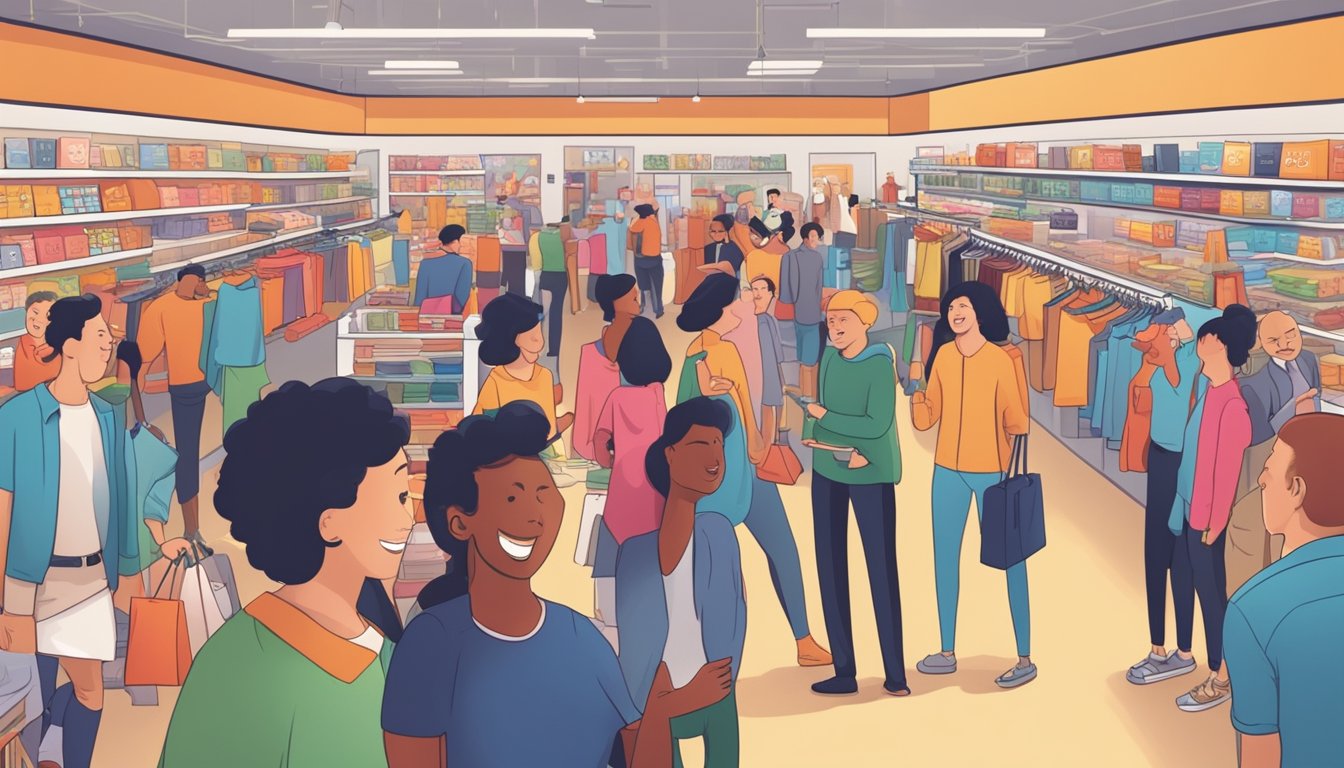
Unlocking the Power of Discounts: Transforming Consumer Behavior and Boosting Business Success
Understanding Discounts and Promotions
What Are Discounts and Promotions?
- Definition: Discounts and promotions are strategic tools that retailers and businesses use to temporarily lower the price of products or offer extra value, such as “Buy One Get One Free.” The main purpose is to attract customers, stimulate demand, and increase sales.
-
Common Types:
- Percentage-off sales (e.g., 20% off featured items)
- Buy More, Save More deals (like “Spend $100, Save $20”)
- Coupons and promo codes, available through websites or direct mail campaigns
- Loyalty rewards, including points-based systems and exclusive discounts for members
- Flash sales or limited-time offers, which create urgency and excitement
- Bundled offers, such as product packages sold at a reduced rate
- Seasonal promotions around holidays, back-to-school, or end-of-season clearances
These tactics are designed not only to appeal to existing customers, but also to draw new shoppers seeking value.
How Prevalent Are Discounts in Modern Retail?
- Widespread Use: Discounts and promotions are now standard practice in nearly every retail sector, from grocery and fashion to electronics and online marketplaces. According to a 2023 RetailMeNot survey, 90% of consumers actively search for deals before making a purchase. This highlights how essential discounts have become to effective retail strategies.
- Omnichannel Approach: Retailers use discounts both online and offline. Channels include personalized email offers, mobile push notifications, social media promotions, and in-store signage to capture consumer attention wherever they shop.
-
Industry Examples:
- Grocery stores offer weekly in-app coupons and paper flyers
- Fashion retailers launch Instagram-only promo codes for followers
- Ecommerce giants like Amazon host annual sales events like Prime Day to boost engagement
The Psychological Impact of Discounts on Consumers
How Do Discounts Shape Perceptions of Value and Urgency?
- Increased Perceived Value: Discounts lead customers to view the product as a better deal, often believing they’re getting more for their money or outsmarting regular retail prices.
- Sparking Urgency: Limited-time offers and urgency-inducing tactics, such as countdown clocks in online checkouts, encourage fast decision-making. Shoppers hesitate less to buy when they perceive an opportunity that may soon disappear.
- Example: During Black Friday sales, retailers post real-time inventory updates, increasing the perceived necessity to purchase immediately.
What Emotional Responses Do Discounts Trigger?
- Positive Emotions: Scoring a deal can make shoppers feel happy, accomplished, and more satisfied with their purchases. These emotions tend to enhance overall brand perception.
- Impulse Buying: The positive emotional high from finding an unexpected deal often leads people to buy on impulse—purchasing items outside of their original intention.
- Case Study: When Macy’s introduced flash sales in their mobile app, impulse purchases increased by 17%. The instant gratification of a temporary discount directly affected buyer behavior.
- Social Sharing: Excited shoppers frequently share deals with friends or on social networks, amplifying a brand’s reach.
Economic Benefits for Consumers
How Do Discounts Improve Consumers’ Purchasing Power?
- Stretching Budgets: Deals make goods and services more affordable, allowing individuals to buy more within a set budget or choose higher-quality items that were previously out of reach.
- Saving Money: Consumers can accumulate significant savings, particularly during major shopping events such as Black Friday, Cyber Monday, or end-of-season clearances.
- Practical Example: A family shopping for school supplies can often buy everything on their list at a lower total cost by timing purchases with back-to-school promotions.
| Scenario | Without Discount | With 20% Discount | Money Saved |
|---|---|---|---|
| Buying a $100 item | $100 | $80 | $20 |
| 3 items at $50 each | $150 | $120 | $30 |
How Do Promotions Enable Access to Premium Products?
- Accessible Luxury: Discounts on premium brands pave the way for more shoppers to experience higher-end products. This exposure increases mainstream brand awareness and can build future brand loyalty.
- Example: Apple periodically offers student discounts, making Macs and iPads available to a larger audience, especially students who are usually budget conscious.
- Brand Strategy: Luxury skincare companies run “friends and family” events where products are discounted for a short period, introducing new customers to the brand at a lower entry price.
Business Advantages of Offering Discounts
How Do Discounts Enhance Customer Loyalty?
- Reward Programs: Long-term discount programs, such as those run by Starbucks Rewards or Amazon Prime, incentivize repeat purchases. Members gain access to exclusive deals, encouraging ongoing engagement.
- Positive Word-of-Mouth: Satisfied customers are more likely to recommend brands to family and friends, further driving brand awareness and acquiring new customers with minimal marketing investment.
- Example: Refer-a-friend programs with built-in discounts increase the likelihood of both current and new customers making purchases.
How Do Discounts Boost Sales and Market Penetration?
- Attracting New Shoppers: Introductory offers, such as “first-time customer” discounts, lure new shoppers into trying unfamiliar brands, helping expand the business’s customer base.
- Increasing Transaction Volume: Multi-buy deals like “buy 2, get 1 free” motivate consumers to purchase more items per transaction than they originally intended.
- Time-Limited Offers: Seasonal and limited-time discounts boost sales within a confined window, driving up short-term revenue.
- Case Study: When Nike launched its online store, they offered free shipping and discounts for a limited period. This strategy led to a 35% jump in new user sign-ups and first-time purchases.
| Promotion Type | Benefit to Business | Common Example |
|---|---|---|
| First-purchase discount | Acquires new customers quickly | 10% off for first-time buyers |
| Loyalty program deal | Increases frequency of repeat sales | Points earned for each purchase, redeemable for discounts |
| Bulk/volume discount | Increases average order value | Buy 3, get 1 free |
Long-Term Effects on Consumer Behavior
How Do Discounts Influence Habit Formation and Brand Engagement?
- Encouraging Repeat Purchases: Regular, well-timed promotions help convert occasional customers into loyal repeat buyers by reinforcing positive buying habits.
- Building Engagement: When shoppers know they can expect deals, such as weekly or monthly specials, they tend to visit both online and physical stores more often.
- Example: Grocery stores offering rotating weekly “meal deal” discounts consistently drive higher repeat foot traffic and website visits.
- App Engagement: Retailers like Target use exclusive app-only deals to keep users returning to their mobile platforms.
What Are the Drawbacks of Over-Relying on Discounts?
- Brand Devaluation: If customers always expect sales, the perceived value of the brand can drop, making it harder to command regular prices and to position products as premium.
- Total Margin Erosion: Overuse of discounts can shrink profit margins, potentially harming the business’s long-term sustainability, especially if customers delay purchases until the next sale.
- Potential Consumer Fatigue: Shoppers may become desensitized to frequent promotions, reducing their effectiveness over time.
- Balance Is Key: Successful brands balance their promotional activity, reserving deep discounts for key moments—like new product launches, inventory clear-outs, or major holidays—while maintaining healthy margins and brand credibility the rest of the year.
- Example: Some major apparel brands reduced the frequency of sales events to reestablish their products’ full value perception after noticing declining margins from constant discounting.
Conclusion: The Strategic Use of Discounts
Discounts and promotions, when used strategically, provide powerful benefits for both shoppers and businesses. They can increase consumer happiness, improve affordability, and drive business growth. However, to ensure lasting success, companies must balance attractive pricing strategies with brand-building and margin protection.
Leave a Reply