
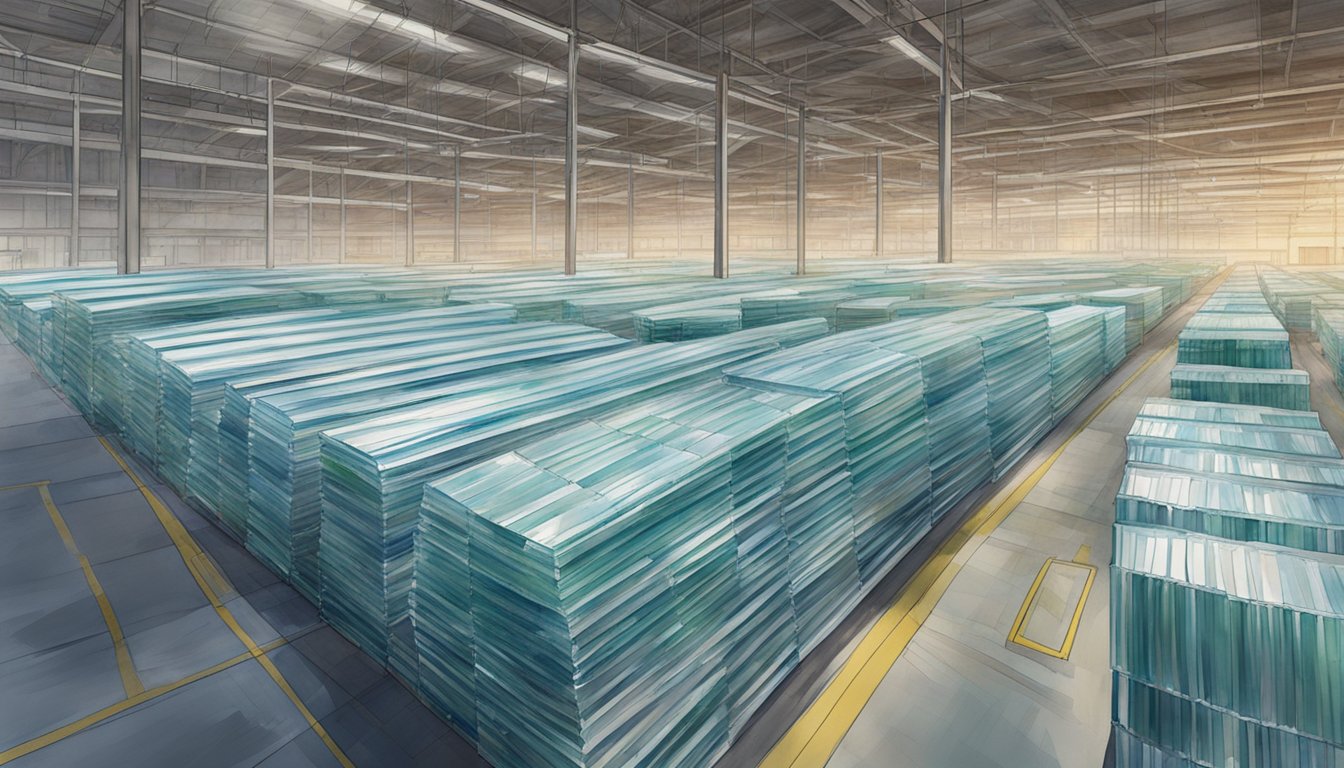
Introduction to Raw Material Tracking
Raw materials are the backbone of the glass and glazing production process. Efficient tracking of these materials is vital for maintaining an effective supply chain and ensuring smooth manufacturing operations. As raw materials like silica, limestone, soda ash, and cullet pass through various stages — from warehouse storage to being transformed into glass products — precise monitoring becomes crucial.
The adoption of robust inventory management systems allows for the accurate recording of raw material quantities and locations. This level of precision in tracking raw materials ensures that manufacturers can make informed decisions regarding production planning and inventory replenishment. It also enhances the ability to respond to demand fluctuations without excess stock or shortages.
By integrating tracking with production processes, enterprises can maintain leaner inventories, minimize waste, and optimize resource utilization. This harmonization between the physical flow of raw materials and the associated data flow is a best practice that can elevate the efficiency of the entire production lifecycle.
Best practices in raw material tracking typically include:
- Regular audits of physical stock against digital inventory records
- Use of barcode scanning or RFID technology for real-time data capture
- Adoption of perpetual or periodic inventory tracking systems, depending on business needs
- Implementation of software solutions capable of integrating with other business systems for a unified view of the supply chain
In sum, diligent tracking not only supports operational excellence but also fortifies the manufacturer’s position in the competitive market.
Inventory Management Principles
Effective inventory management in glass and glazing production hinges on precise tracking and efficient utilization of raw materials such as soda ash, limestone, and silica. Employing reliable principles ensures optimal operation and prevents stockouts or excess.
Software Utilization
The use of inventory management software is indispensable in modern production. These systems provide real-time tracking of raw materials through unique identifiers like barcodes and RFID technology, enhancing efficiency and accuracy.
Accurate Record-Keeping
Maintaining precise records is critical. Incorporating manual tracking with spreadsheets or transitioning to digital inventory tracking solutions can help prevent inaccuracies that might lead to material shortages or surpluses.
Optimizing Stock Levels
To avoid overstocking and understocking, glass manufacturers should calculate safety stock, establish reorder points, and regularly perform cycle counting to maintain optimal stock levels of key materials.
Supply Chain Coordination
Coordination with the supply chain, including logistics, transportation, and delivery, mitigates potential disruptions by maintaining clear communication and adjusting to changes proactively.
Warehouse Organization
Efficient warehouse management across multiple locations includes clear labeling, logical material placement, and implementing Real-Time Location Systems (RTLS) for enhanced asset visibility.
Quality Assurance
Robust quality control procedures, including routine inspection throughout the production process, guarantee that the raw materials meet the necessary standards for high-quality end products.
Product Lifecycle Management
Tracking materials from procurement to the final product ensures effective materials management, reducing waste and ensuring the responsible usage of direct and indirect materials.
Materials Management Enhancement
Through adopting asset tracking technologies like IoT and Link Labs AirFinder, businesses can streamline raw material inventory management, thus cutting storage costs and driving overall cost reduction.
Technological Advancements
Investing in barcode scanning and inventory control measures, including RFID tags and IoT sensors, enables businesses to stay ahead of technological advancements and operational demands.
Financial Aspects
Conscious management of the financial implications of raw materials ensures operational efficiency. Skilled oversight is necessary for pricing, budgeting, and controlling the cost of materials like lime, magnesia, and alumina.
Procurement and Sourcing
Proactive sourcing strategies secure reliable supply chains for critical materials while managing the procurement process helps businesses negotiate better terms and prices.
Safety and Compliance
Ensuring compliance with safety regulations and industry standards is paramount. Safety measures protect employees and the environment, while compliance secures the company’s operational legitimacy.
Frequently Asked Questions
Accurate and efficient tracking of raw materials is essential in glass and glazing production to ensure cost control, production efficiency, and inventory management.
How can you efficiently record raw material consumption in glass manufacturing?
In glass manufacturing, raw material consumption is often recorded through a combination of barcode scanning and ERP software. These tools allow for real-time tracking of materials as they are consumed, ensuring up-to-date inventory levels and minimizing waste.
What are the best software tools for managing raw material inventories in glazing operations?
Companies in glazing operations frequently utilize specialized inventory management software like Material Requirements Planning (MRP) systems. These systems help in optimizing inventory levels and ensuring that the right materials are available at the right time.
What methodologies exist for tracking raw material flow during glass production?
Methodologies for tracking raw material flow incorporate the use of manufacturing execution systems (MES) that integrate with supply chain management and provide a detailed view of material utilization throughout the production process.
How do manufacturing companies implement raw material tracking systems in their operations?
Manufacturing companies implement raw material tracking systems by aligning them with their existing production processes, often by integrating them with other systems such as their ERP or MRP systems to centralize data and streamline operations.
What examples demonstrate effective raw material inventory management in the glass industry?
Examples of effective raw material inventory management in the glass industry include just-in-time inventory practices to reduce carrying costs and the application of lean manufacturing principles to minimize waste and improve material turnover.
How is a bill of materials used to manage and track raw material use in glass and glazing production?
A bill of materials (BOM) is used in glass and glazing production to list all the raw materials needed to produce an item. It provides detailed information on quantities, specifications, and reorder points, serving as a guide to manage and track raw material usage throughout the manufacturing process.
Leave a Reply